

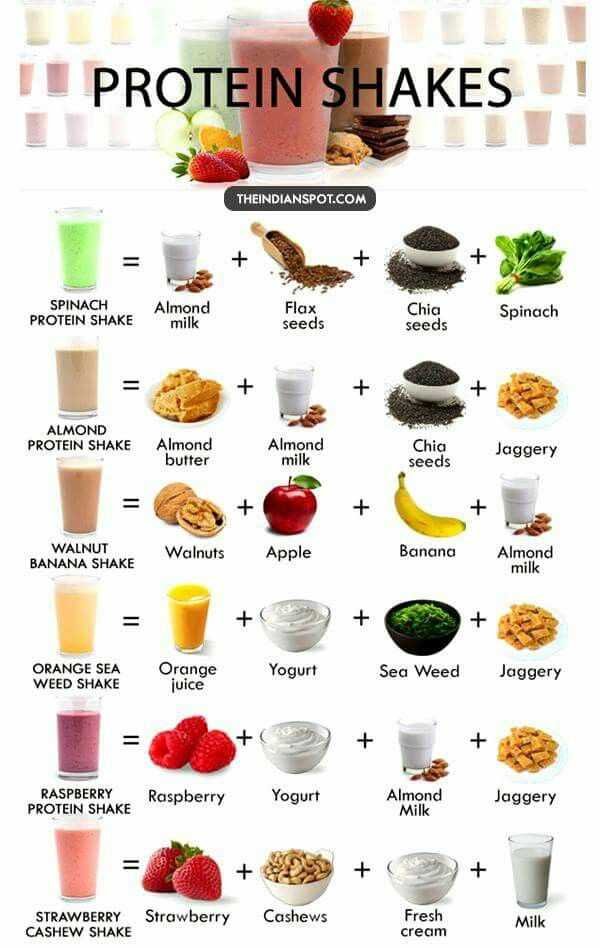
Looking to shed pounds quickly and effectively? Incorporating protein shakes into your meal plan can be a game-changer for weight loss. They help you stay full longer, boost metabolism, and support muscle preservation while cutting calories. A well-structured meal plan featuring protein shakes can simplify your journey, making it easier to stick to your goals without feeling deprived. The key is choosing the right ingredients and timing your shakes to complement your daily intake, ensuring you’re nourishing your body while trimming excess weight. Whether you’re a busy professional or just starting out, this approach offers a practical and tasty way to stay on track. By combining meal-conscious choices with delicious protein shakes, you’ll be well-equipped to achieve your weight loss goals more efficiently and sustainably.
A meal plan for weight loss with protein shakes is an effective way to control calorie intake while satisfying hunger and maintaining muscle mass. Proper planning involves incorporating balanced, nutritious shakes alongside healthy meals throughout the day, making weight loss manageable and enjoyable.

Meal Plan for Weight Loss with Protein Shake: Your Guide to Effective and Tasty Results
Understanding the Role of Protein in Weight Loss
Protein plays a vital part in any weight loss journey. It helps keep you full longer, reducing cravings and unnecessary snacking. Including enough protein in your diet can also preserve muscle mass while shedding fat.
Why Protein is Important
Protein supports muscle repair and growth, which boosts your metabolism. A higher metabolic rate helps burn calories faster, aiding in weight loss.
How Much Protein Do You Need?
For most adults aiming to lose weight, consuming about 0.8 to 1.2 grams of protein per kilogram of body weight daily is recommended. This amount can vary based on activity level and personal goals.
Designing a Meal Plan for Weight Loss with Protein Shake
Creating a meal plan that incorporates protein shakes requires attention to balance, nutrient variety, and calorie control. It’s essential to include whole foods alongside shakes to get a broad spectrum of nutrients.
Meal Breakdown
A typical day includes three main meals and two snacks. Protein shakes can replace or supplement one of these meals or snacks.
| Meal | Examples | Approximate Calories |
|---|---|---|
| Breakfast | Oatmeal with berries and a scoop of protein powder | 350 |
| Mid-Morning Snack | Protein shake with banana and almond milk | 250 |
| Lunch | Grilled chicken salad with vegetables | 400 |
| Afternoon Snack | Greek yogurt with nuts and honey | 200 |
| Dinner | Baked fish with steamed vegetables and quinoa | 500 |
Choosing the Right Protein Shake
Picking a good protein shake is essential for weight loss. Look for options that are low in sugar and artificial ingredients but high in quality protein.
Types of Protein Powders
- Whey Protein: Fast-absorbing and rich in all essential amino acids.
- Plant-Based Proteins: Made from peas, rice, or hemp, suitable for vegans.
- Casein Protein: Slow-digesting, good for feeling full longer.
Tips for Selecting a Protein Powder
- Check the ingredient list for added sugars or fillers.
- Choose powders with at least 20 grams of protein per serving.
- Opt for options free of artificial sweeteners whenever possible.
Incorporating Protein Shakes into Your Daily Routine
Integrating protein shakes effectively requires timing and preparation. They can be used as breakfast, a snack, or supplement to a meal.
Breakfast Boost
A protein shake in the morning can kick-start your metabolism and keep you energized through the day. Blend your favorite fruit, a scoop of protein powder, and a liquid base like water or almond milk.
Pre- or Post-Workout
Consuming a protein shake around your workout can aid in muscle recovery. Drink a shake within 30 minutes after exercising for the best results.
Meal Replacement
On busy days, replacing a meal with a protein shake can help control calories. Combine protein powder with fiber-rich fruits, vegetables, and healthy fats for a balanced option.
The Benefits of Combining a Meal Plan with Exercise
Pairing your meal plan with regular physical activity accelerates weight loss. Exercise helps burn calories and enhances muscle tone, making your weight loss more effective and sustainable.
Best Types of Exercise
- Cardio: Running, walking, cycling, and swimming burn calories effectively.
- Strength Training: Lifting weights or bodyweight exercises build muscle, which raises resting metabolic rate.
- Flexibility Workouts: Yoga or stretching support recovery and prevent injuries.
Sample 7-Day Meal Plan for Weight Loss with Protein Shake
Here is a simple plan to follow. Each day balances protein shakes with nutritious foods to promote weight loss effectively.
Day 1
- Breakfast: Scrambled eggs with vegetables and whole-grain toast
- Mid-Morning Snack: Banana protein shake
- Lunch: Turkey and veggie wrap
- Afternoon Snack: Mixed nuts and an apple
- Dinner: Grilled salmon with asparagus and brown rice
Day 2
- Breakfast: Greek yogurt with berries and granola
- Mid-Morning Snack: Protein smoothie with spinach and pineapple
- Lunch: Quinoa salad with chickpeas and cucumbers
- Afternoon Snack: Carrot sticks with hummus
- Dinner: Stir-fry tofu with mixed vegetables and soba noodles
Days 3-7
Follow similar structures, ensuring each day includes a protein shake at appropriate times, with varied proteins and vegetables to keep the plan interesting and nutrient-rich.
Tips for Success and Long-Term Maintenance
Sticking to your meal plan requires consistency, but flexibility helps prevent burnout. Allow yourself occasional treats to stay motivated.
Stay Hydrated
Water helps you feel full and supports overall health. Aim for at least eight glasses daily, especially when increasing protein intake.
Monitor Your Progress
Keep track of your weight, measurements, and how you feel physically. Adjust your plan as needed to stay on track.
Additional Strategies
- Plan meals ahead to avoid impulsive choices.
- Use apps or journals to monitor calorie and protein intake.
- Seek support from friends or join groups for motivation.
Common Mistakes to Avoid
Avoid replacing all meals with shakes, which can lead to nutrient deficiencies. Don’t forget to include vegetables and healthy fats for a balanced diet.
Overconsuming Protein
Too much protein can strain your kidneys and cause digestive issues. Stick to recommended amounts and diversify your diet.
Neglecting Whole Foods
Relying solely on shakes can lead to a lack of fiber and micronutrients. Use shakes as supplements, not replacements, for a well-rounded diet.
Additional Related Topics
Consider exploring topics like the benefits of fiber in weight loss, the importance of hydration, and how to create balanced meals that support your goals. Integrating these aspects will make your plan more effective and sustainable.
By thoughtfully combining nutritious meals, effective use of protein shakes, and regular exercise, you can create a sustainable weight loss plan. Remember, consistency and patience are key. Stay motivated, and celebrate your progress along the way.
What I Eat In A Day | How I Get 130 grams of protein for healthy weight loss.
Frequently Asked Questions
How can I ensure my meal plan with protein shakes supports sustainable weight loss?
To promote lasting weight loss, balance your protein shakes with whole foods like vegetables, healthy fats, and complex carbohydrates. Incorporate variety into your meals to prevent boredom and ensure you receive essential nutrients. Stay consistent with portion sizes and avoid over-consuming calorie-dense ingredients. Tracking your intake can help maintain a calorie deficit while satisfying your nutritional needs.
What are some healthy snack options to complement a meal plan with protein shakes?
Choose snacks like fresh fruit, raw vegetables with hummus, Greek yogurt, or a handful of nuts. These options provide additional nutrients and help keep you full between meals. Avoid high-sugar or heavily processed snacks to maintain your progress and prevent unnecessary calorie intake.
Can I customize my protein shake ingredients for better weight loss results?
Yes, you can modify your protein shakes by adding ingredients like spinach, berries, or chia seeds to increase fiber and nutrient content. Using unsweetened almond milk or water instead of high-calorie liquids can reduce calorie intake. Experiment with natural flavorings such as cinnamon or vanilla extract to enhance taste without adding sugar.
How often should I include protein shakes in my daily routine for effective weight management?
Integrate protein shakes into your daily routine based on your activity level and meal preferences, typically 1-2 times per day. Use them as meal replacements or supplements to ensure adequate protein intake while controlling total calories. For personalized guidance, consider consulting a nutritionist who can tailor your plan to your goals.
Are there specific types of protein powders better suited for weight loss?
Whey protein isolate and plant-based options like pea or rice protein often contain lower calories and fat while delivering high-quality protein. Choose powders with minimal added sugars and artificial ingredients. Reading labels carefully can help you select products that align with your weight loss goals and dietary preferences.
Final Thoughts
A well-structured meal plan for weight loss with protein shake helps control hunger and boosts metabolism. Incorporating protein shakes into your daily routine ensures adequate protein intake, supporting muscle maintenance. Focus on balanced meals with fruits, vegetables, and whole grains alongside your shakes. Consistency and portion control remain essential for effective results. Following this plan can make weight loss more manageable and achievable.
As an Amazon Associate, We earn from qualifying purchases. When you purchase a product through Amazon links on pulsefitguide.com, we may earn a small commission at no extra cost to you. This helps support the site and keep our content free.