

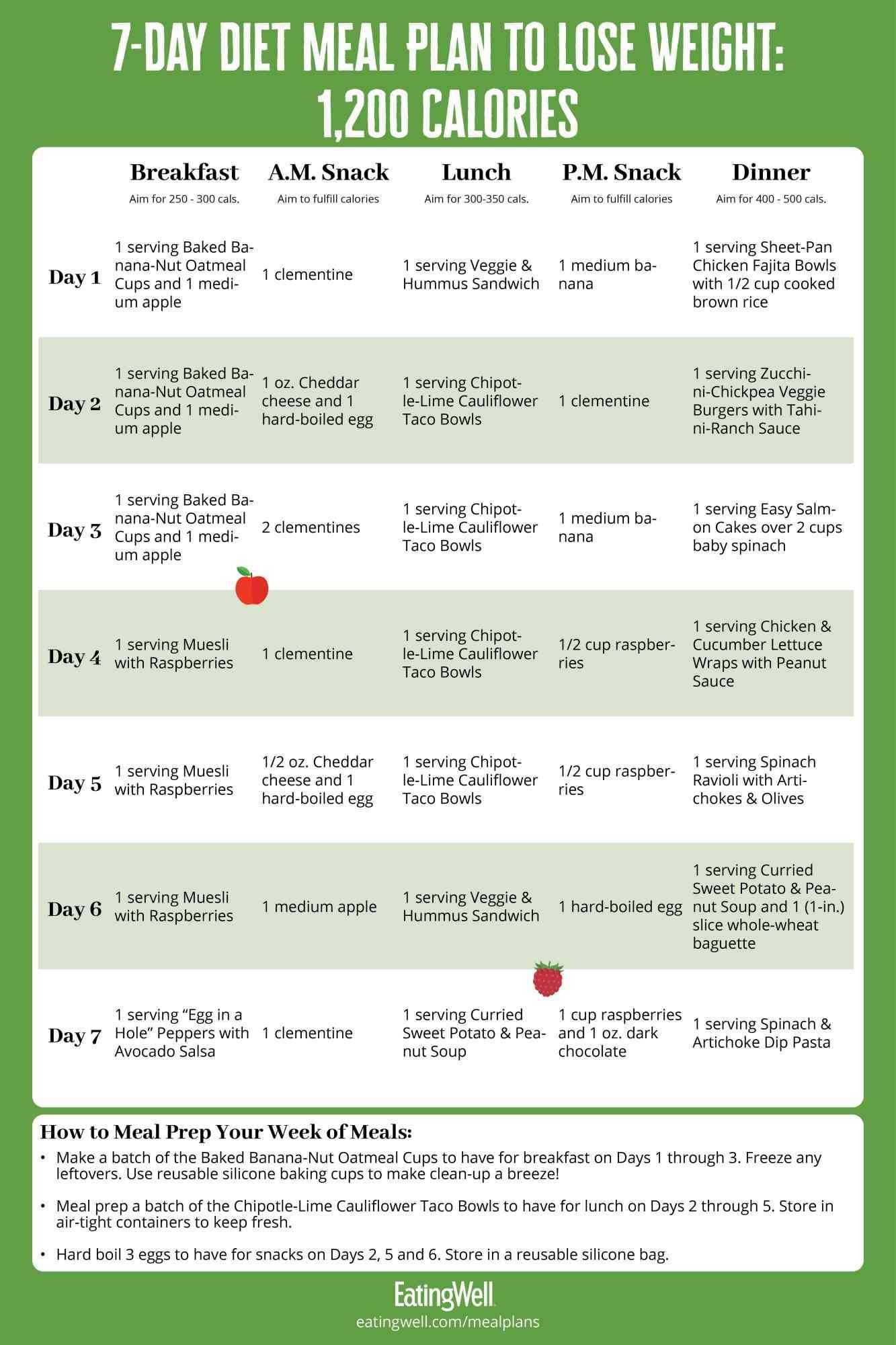
To lose 50 pounds effectively, commit to a balanced meal plan that emphasizes whole foods, portion control, and regular meal timing. Incorporating nutritious options like lean proteins, vegetables, and healthy fats while reducing processed foods and sugars can help you achieve your goal safely.
A well-structured meal plan for losing 50 pounds should focus on creating a calorie deficit without sacrificing essential nutrients. It involves planning meals that are satisfying and sustainable, ensuring you stay motivated throughout your weight loss journey. Consistency, moderation, and a mix of healthy foods are key.
Embarking on a 50-pound weight loss journey might seem daunting, but a tailored meal plan can make the process smoother and more manageable. When aiming for significant weight loss, it’s important to focus on nutrition, portion control, and sustainable habits. This plan isn’t about quick fixes but about transforming your eating patterns to support long-term health. With the right approach, you’ll enjoy tasty, nourishing meals while steadily shedding pounds, gradually improving your energy levels and confidence. Remember, patience and consistency are your best friends on this journey.

Meal Plan for 50 Pound Weight Loss: A Complete Guide
Understanding the Importance of a Structured Meal Plan
A well-designed meal plan is essential for losing 50 pounds. It helps you stay organized, control your calorie intake, and ensure you’re eating nutritious foods. Having a plan also keeps you motivated and on track toward your weight loss goals.
Setting Realistic Goals and Expectations
Losing 50 pounds takes time and dedication. Aim for a steady weight loss of about 1 to 2 pounds per week. This pace is safe and sustainable, helping you avoid losing muscle mass or feeling deprived.
Determining Your Daily Calorie Needs
To lose weight, you need to create a calorie deficit. Use an online calculator to estimate your maintenance calories. Subtract 500 to 1000 calories daily to start losing around 1 to 2 pounds weekly.
Creating a Balanced Meal Plan
A successful meal plan combines lean proteins, healthy fats, and complex carbs. Include plenty of vegetables and fruits to provide fiber, vitamins, and minerals. Balance keeps your energy levels steady and prevents cravings.
Macronutrient Breakdown
- Proteins: Chicken, turkey, fish, eggs, and beans
- Carbohydrates: Whole grains, legumes, sweet potatoes, and vegetables
- Fats: Nuts, seeds, avocado, and olive oil
Sample Meal Plan for a Day
| Meal | Food Items | Calorie Range |
|---|---|---|
| Breakfast | Oatmeal with berries, a boiled egg, and a glass of water | 300-350 |
| Lunch | Grilled chicken salad with mixed greens, cherry tomatoes, and vinaigrette | 400-450 |
| Snack | Greek yogurt with honey and almonds | 150-200 |
| Dinner | Baked salmon, steamed broccoli, and brown rice | 500-550 |
| Optional Snack | Sliced vegetables or a small piece of fruit | 100-150 |
Essential Tips for Success
- Drink plenty of water daily to stay hydrated and curb hunger.
- Avoid processed foods high in sugars and unhealthy fats.
- Plan your meals ahead to prevent impulsive eating.
- Eat slowly and savor each bite to improve digestion and satiety.
- Keep track of your meals using a journal or app to monitor progress.
Incorporating Exercise with Your Meal Plan
Physical activity speeds up weight loss and improves overall health. Include at least 150 minutes of moderate exercise each week, like brisk walking, cycling, or swimming. Combining diet and exercise yields the best results.
Sample Weekly Exercise Schedule
- Monday: 30-minute brisk walk
- Wednesday: 20-minute strength training
- Friday: 30-minute cycling session
- Sunday: 45-minute yoga or stretching
Monitoring Your Progress
Track your weight loss weekly using a scale and take measurements of your waist, hips, and thighs. Recognize small milestones to stay motivated and make adjustments if needed. Remember, consistency is key.
Dealing with Plateaus and Challenges
Weight loss plateaus are normal. If progress stalls, consider revising your calorie intake, changing your exercise routine, or increasing physical activity. Stay patient and keep focused on your goal.
Healthy Snacks and Alternatives
Snacking smartly can prevent overeating during main meals. Choose nutrient-dense snacks such as:
- Fresh fruits
- Nuts and seeds (in moderation)
- Carrot or celery sticks with hummus
- Low-fat cheese
Meal Prep and Planning Strategies
Preparing meals ahead of time ensures healthier choices and saves you time. Batch-cook proteins and grains, and portion out snacks. Use containers to organize your week’s meals.
Adapting the Meal Plan to Your Preferences
Customize your meal plan by incorporating favorite foods within healthy options. Flexibility helps maintain long-term adherence. Experiment with spices and herbs to add flavor without extra calories.
Dealing with Social Situations
Eating out or attending gatherings can challenge your plan. Choose healthier options, control portion sizes, and don’t be afraid to politely refuse certain foods. Focus on maintaining your goals without feeling deprived.
Final Tips for Lasting Success
Develop habits like mindful eating, regular physical activity, and consistent sleep patterns. Stay motivated by celebrating milestones and reminding yourself why you started. Remember, patience and persistence are vital in losing 50 pounds.
By following a structured meal plan tailored to your needs, you set yourself up for success in reaching your weight loss goal. Combining good nutrition with regular activity creates a sustainable lifestyle that promotes health and well-being.
Frequently Asked Questions
How can I adjust my meal plan to ensure steady weight loss over time?
Focus on maintaining a calorie deficit by tracking your daily intake and adjusting portion sizes accordingly. Incorporate a variety of nutrient-dense foods such as lean proteins, vegetables, and whole grains. Regularly review your progress and make small changes to your meal plan to prevent plateaus. Consistency and balanced nutrition help promote sustainable weight loss.
What are some healthy snack options to include in a weight loss meal plan?
Choose snacks that are low in calories but high in nutrients, such as fresh fruit, raw vegetables with hummus, Greek yogurt, or a handful of nuts. These options help keep your energy levels stable and curb hunger between meals, supporting your weight loss goals without adding excessive calories.
How can I ensure my meal plan provides enough energy for daily activities?
Design your meal plan with a balance of carbohydrates, proteins, and fats that fuel your body effectively. Include complex carbs like oats or sweet potatoes for sustained energy, and pair them with adequate protein sources such as chicken or legumes. Listening to your body’s hunger cues and adjusting portion sizes helps maintain energy levels throughout the day.
Are there any specific foods I should avoid while following a meal plan for weight loss?
Limit foods high in added sugars, refined carbs, and unhealthy fats, such as sugary snacks, fried foods, and processed snacks. These items can lead to increased calorie intake and hinder your progress. Focus on whole, unprocessed foods that support your health and weight loss efforts.
How important is meal timing in a plan aimed at losing 50 pounds?
Maintaining regular meal times helps regulate your metabolism and prevents excessive hunger or overeating. Eating at consistent intervals supports stable blood sugar levels and keeps you energized. Incorporate balanced meals and snacks to sustain your progress and avoid unnecessary snacking or binge eating.
Final Thoughts
A meal plan for 50 pound weight loss offers a clear path to achieving your goals. Focus on balanced meals that include lean proteins, vegetables, and whole grains. Keep portion sizes in check and avoid sugary snacks.
Consistency is key; sticking to the plan maintains momentum and ensures steady progress. Incorporate regular physical activity to complement your dietary efforts.
In summary, a well-designed meal plan for 50 pound weight loss provides structure and motivation to reach your target weight effectively.
As an Amazon Associate, We earn from qualifying purchases. When you purchase a product through Amazon links on pulsefitguide.com, we may earn a small commission at no extra cost to you. This helps support the site and keep our content free.