

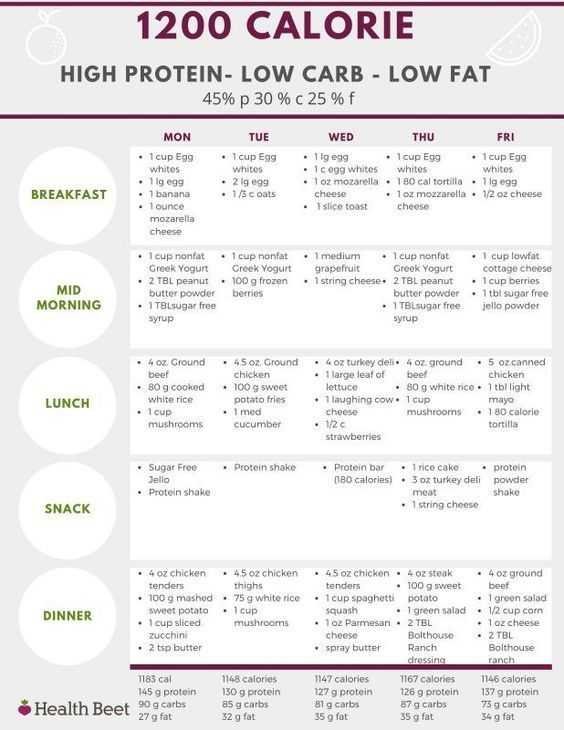
Looking to shed those stubborn pounds quickly? A low carb, high protein meal plan can be your secret weapon for effective fat burning. By reducing carbohydrate intake and emphasizing protein-rich foods, you boost your metabolism and keep hunger at bay, making weight loss easier and more sustainable.
A well-designed low carb, high protein meal plan helps promote fat loss while preserving lean muscle mass. It focuses on wholesome, protein-packed foods and minimizes carbs, leading to improved metabolism and reduced cravings. This approach is perfect for anyone looking to accelerate their weight loss journey without feeling deprived.
If you’re aiming to melt away fat efficiently, switching to a low carb, high protein diet could be a game-changer. By intentionally choosing meals that prioritize proteins like lean meats, eggs, and dairy, while cutting back on carbs like bread and sugary foods, you’ll jumpstart your fat burning process. It’s a balanced, effective way to reach your weight loss goals while still enjoying delicious, satisfying meals.

Low Carb High Protein Meal Plan for Fat Burning
Creating a meal plan focused on low carbohydrates and high protein is an effective way to burn fat and improve overall health. This approach helps your body use fat for energy instead of relying on carbs. By choosing the right foods, you can feel satisfied while losing weight.
Understanding the Basics of Low Carb and High Protein Diets
Low carb diets limit the intake of carbohydrates like bread, pasta, and sugar. Instead, they emphasize foods rich in protein and healthy fats. High protein diets support muscle maintenance and help curb hunger, making it easier to eat less overall.
When combined, low carbs and high protein create a metabolic state called ketosis, where your body burns fat for fuel. This process helps accelerate fat loss and improves energy levels throughout the day.
Key Benefits of a Low Carb High Protein Meal Plan
- Enhanced Fat Loss: By reducing carb intake, your body taps into fat stores for energy.
- Increased Satiety: Protein keeps you full longer, reducing cravings and snacking.
- Preserved Muscle Mass: High protein intake helps maintain muscle during weight loss.
- Improved Blood Sugar: Lower carbs lead to more stable blood sugar levels and less insulin spikes.
Core Principles for Building Your Meal Plan
Focus on foods that are rich in protein and contain minimal carbs. Prioritize whole, unprocessed foods to maximize nutrient intake and avoid hidden sugars. Incorporate healthy fats for satiety and energy.
Balance is key; aim for a meal composition that favors protein and healthy fats while limiting carbs to under 50 grams daily for most people.
Top Foods for a Low Carb High Protein Diet
Proteins
- Meat: Chicken, turkey, beef, and pork are excellent sources.
- Seafood: Fish like salmon, mackerel, and sardines are rich in omega-3s and protein.
- Eggs: A versatile protein source packed with essential nutrients.
- Dairy: Greek yogurt, cottage cheese, and cheese provide high-quality protein.
Healthy Fats
- Avocados: Loaded with monounsaturated fats and fiber.
- Nuts and Seeds: Almonds, walnuts, chia seeds, and flaxseeds offer healthy fats and fiber.
- Olive Oil and Coconut Oil: Great for cooking and adding flavor.
Low-Carb Vegetables
- Leafy Greens: Spinach, kale, and lettuce are nutrient-dense and low in carbs.
- Cruciferous Vegetables: Broccoli, cauliflower, and Brussels sprouts.
- Other Veggies: Zucchini, bell peppers, cucumbers, and mushrooms.
Sample Meal Plan for a Day
| Meal | Food Choices | Description |
|---|---|---|
| Breakfast | Scrambled eggs with spinach and avocado | High in protein and healthy fats to start the day |
| Lunch | Grilled chicken salad with mixed greens and olive oil dressing | Light, filling, and packed with protein and nutrients |
| Snack | Cheese sticks and a handful of almonds | Protein and healthy fats to curb hunger between meals |
| Dinner | Baked salmon with roasted vegetables | Rich in omega-3s and low in carbs |
| Optional | Greek yogurt with chia seeds | Protein-rich and satisfying evening snack |
Tips for Staying on Track
Plan your meals ahead to avoid temptations and make healthier choices. Keep a food diary to monitor your carb and protein intake accurately. Incorporate variety to prevent boredom and ensure a broad nutrient intake.
Stay hydrated and consider adding electrolyte supplements if you’re reducing carbs significantly. Regular physical activity supports fat burning and muscle retention.
Adjusting Your Meal Plan Based on Progress
Monitor your weight, energy levels, and how your clothes fit to assess progress. If weight loss plateaus, consider reducing carbs further or increasing physical activity. Remember, consistency is crucial for long-term success.
Common Mistakes to Avoid
- Overeating Protein: Consuming excessive protein can strain kidneys; aim for balanced portions.
- Ignoring Fats: Healthy fats are essential for hormone production and satiety.
- Neglecting Vegetables: They provide fiber and essential nutrients, so include plenty in every meal.
- Carb Sneaking In: Be cautious of hidden sugars in processed foods.
Additional Strategies to Boost Fat Burning
- Intermittent Fasting: Limiting eating windows can enhance fat loss.
- Strength Training: Builds muscle, which increases resting metabolic rate.
- Stay Consistent: Stick to your meal plan even on weekends for sustained results.
Combining Low Carb High Protein with Other Lifestyle Changes
Complement your diet with adequate sleep, stress management, and regular exercise. These factors impact hormone balance and overall recovery, supporting your fat-burning goals.
Tracking Progress and Making Adjustments
Use tools like food apps and fitness trackers to stay accountable. Adjust your intake based on performance and how your body responds. Patience and persistence are key to success with a low carb high protein meal plan.
Weight Loss Made Easy! | High Protein | Low Calorie | Low Carb
Frequently Asked Questions
What are some good sources of high-protein foods that fit into a low-carb diet?
Excellent sources of high-protein foods suitable for a low-carb diet include lean meats like chicken and turkey, fish such as salmon and tuna, eggs, dairy products like Greek yogurt and cheese, as well as plant-based options like tofu and tempeh. Incorporating these foods helps maintain protein intake while keeping carbohydrate levels in check.
How can I balance my meals to ensure I get enough nutrients without overloading on carbs?
Focus on including a variety of protein-rich foods, healthy fats, and non-starchy vegetables in your meals. This approach ensures you receive essential nutrients and fiber, making your meals satisfying and nutritionally balanced. Avoid processed foods high in sugars and refined carbs to stay within your carbohydrate limits.
Are there any specific snacks that support fat burning on a high-protein, low-carb plan?
Yes, snacks like a handful of almonds, hard-boiled eggs, cheese slices, or Greek yogurt with berries work well. These options provide a good amount of protein, healthy fats, and minimal carbs, helping you stay full and support your fat-burning goals throughout the day.
How does a high-protein, low-carb meal plan influence energy levels during workouts?
A meal plan rich in protein and low in carbs can help stabilize blood sugar levels, reducing energy dips and crashes. Consuming adequate protein supports muscle repair and growth, leading to improved strength and endurance during physical activities.
What are some common mistakes to avoid when following a low-carb high-protein diet for fat loss?
Avoid consuming excessive amounts of processed meats or relying too heavily on protein powders. Also, don’t forget to include plenty of vegetables for fiber and nutrients. Focusing solely on protein without balancing other nutrients can lead to deficiencies and reduce the diet’s effectiveness.
Final Thoughts
A low carb high protein meal plan for fat burning effectively boosts metabolism and promotes muscle maintenance. Choosing nutrient-dense foods such as lean meats, eggs, and vegetables ensures balanced nutrition. By sticking to this plan, you can achieve better fat loss results while feeling satisfied. Consistency and mindful choices are key to maximizing your progress and maintaining energy levels.
As an Amazon Associate, We earn from qualifying purchases. When you purchase a product through Amazon links on pulsefitguide.com, we may earn a small commission at no extra cost to you. This helps support the site and keep our content free.