


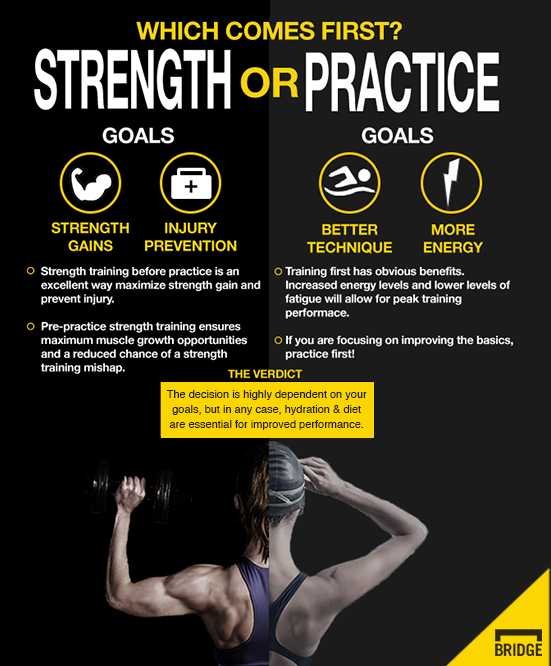
It’s a common question: should you lift weights before or after doing cardio? The answer depends on your fitness goals and how your body responds, but generally, lifting before cardio can help maximize strength gains if your priority is building muscle, while doing cardio first may boost endurance and fat burning.
Lifting before cardio is often better if your main goal is to increase strength and muscle mass because you’ll have more energy to lift heavier weights. Conversely, doing cardio first can be advantageous if you’re aiming for improved stamina or weight loss, as it warms up your body and burns calories early on. Ultimately, the best approach hinges on what you’re trying to achieve with your workout, so understanding your goals will help you decide the optimal order.
Starting your workout with either lifting or cardio can influence your performance and results, so choosing the right sequence is key for maximizing your efforts. When trying to decide whether to lift weights before or after cardio, consider what matters most to you—whether it’s strength, endurance, or fat loss—and tailor your workout accordingly.

Is it Better to Lift Before or After Cardio?
Understanding the Basics: What Do Cardio and Strength Training Do?
Cardio exercises like running, cycling, or swimming focus on increasing your heart rate and improving your cardiovascular health. Strength training, or lifting weights, helps build muscle, increase strength, and boost metabolism. Both types of exercise offer unique benefits, but figuring out the best order depends on your fitness goals.
How Lifting Before Cardio Affects Your Workout
Lifting weights first can help you increase muscle strength and improve performance during cardio. When you start with strength training, your muscles are fresh, allowing you to lift heavier and perform more repetitions. This can lead to more effective muscle gains, especially if building muscle is your priority.
Advantages of Lifting First
- Maximizes muscle strength and endurance since muscles are fresh
- Helps improve lifting technique and form due to energy availability
- Allows you to focus on lifting heavier with better performance
Possible Drawbacks
- Fatigue from lifting might reduce your cardio performance
- Energy stores could be depleted, making cardio feel more challenging
- Less glycogen available, potentially reducing endurance during cardio
Benefits of Doing Cardio Before Lifting
Starting with cardio can serve as a warm-up, increasing blood flow and preparing muscles for lifting. It can help raise your body temperature, reducing injury risk and improving overall workout efficiency. Cardio-first may also aid in fat burning if weight loss is your aim.
Advantages of Cardio First
- Proper warm-up to prevent injuries
- Increased blood flow improves muscle performance
- Aids in calorie burning, supporting weight loss goals
Possible Downsides
- Fatigue from cardio might hinder lifting performance
- Reduced energy for lifting heavier weights
- Potential muscle fatigue might limit strength gains
Impact of Workout Order on Specific Fitness Goals
Your workout order should align with your goals, whether to build muscle, improve endurance, or lose weight.
For Muscle Growth
Lifting weights first is better because muscles are fresh, allowing for more intensity, heavier weights, and better gains. Cardio afterward can help with recovery or fat loss without compromising strength training.
For Endurance and Cardiovascular Health
Doing cardio first can improve cardiovascular fitness and endurance, which suits athletes or those focusing on heart health. Just ensure you don’t tire out before lifting if muscle building is also a priority.
For Weight Loss
Both options can be effective but doing cardio first can maximize calorie burn during the workout, aiding fat loss. Alternatively, lifting first may preserve strength and muscle mass necessary for metabolic boosts.
Balancing Both: Combining Cardio and Lifting Effectively
Many people prefer to incorporate both into the same workout, but managing their order is key to avoiding fatigue.
Alternating Workout Focus
Plan your workout so that intense lifting sessions are on days when cardio is less demanding. On lighter days, you can include cardio before or after lifting depending on your goals.
Timing and Rest
Allow sufficient rest between cardio and lifting sessions if done on the same day. If possible, space them out or do one in the morning and the other in the evening.
Tips for Optimizing Your Workout Order
To get the most from your exercise routine, consider these tips:
- Assess your primary goal: build muscle, burn fat, or improve endurance
- Listen to your body: if fatigue sets in early, adjust the order accordingly
- Start with a dynamic warm-up: always warm up before any workout
- Take rest days: give your body time to recover and adapt
- Stay hydrated and fuel properly: proper nutrition supports performance regardless of order
Scientific Insights and Data on Workout Order
Research shows that performing strength training first can lead to better muscle gains when training for hypertrophy. Conversely, doing cardio first can improve cardiovascular capacity but might slightly reduce strength output during lifting. Studies recommend tailoring your workout based on your specific goals and energy levels.
Summary of Research Findings
| Workout Order | Benefits | Limitations |
|---|---|---|
| Lifting First | Maximized strength, better muscle gains, improved lifting performance | Reduced cardio performance if fatigued |
| Cardio First | Enhanced endurance, increased calorie burn, warm muscles | Potential decrease in lifting strength and volume |
Customizing Your Routine Based on Personal Preferences
Everyone’s body responds differently, so experiment to see what works best for you. Some may find they perform better lifting first, while others prefer starting with cardio. Adjust your workout order periodically to prevent plateaus and maintain motivation.
Listening to Your Body
Pay attention to your energy levels, strength, and endurance during different workout orders. Keeping a training journal can help identify patterns and optimize your routines over time.
Final Thoughts: Making the Choice
The decision of whether to lift before or after cardio depends on your goals, fitness level, and personal preference. Both options have their advantages and limitations, so adapt your routine accordingly. Remember, consistency and proper recovery are key to seeing progress in your fitness journey.
Frequently Asked Questions
How does lifting before cardio affect energy levels during each activity?
Lifting weights first can deplete your glycogen stores, which might reduce your energy for cardio sessions. This means you may find your cardio workout less intense or effective if you start with strength training. Conversely, doing cardio before lifting could cause fatigue that hampers your performance during weightlifting, especially in terms of strength and form. Choosing the order depends on your main goal—if building strength is your priority, lifting first helps preserve energy; if improving endurance is key, doing cardio beforehand might be more beneficial.
What impact does the sequence of lifting and cardio have on muscle recovery?
Performing cardio prior to lifting can lead to fatigue in your muscles, which may interfere with proper form and increase the risk of injury during strength training. Conversely, lifting first ensures your muscles are fresh, allowing you to lift with better technique and intensity. If recovery time is a concern, doing cardio afterward can help promote blood flow and reduce muscle soreness, aiding the recovery process.
How can the order of exercises influence the effectiveness of a workout for fat loss?
Workout order plays a role in how efficiently you burn calories and utilize energy sources. Starting with cardio can elevate your heart rate early, potentially increasing calorie burn during subsequent strength exercises. Alternatively, lifting first might optimize muscle engagement and boost metabolic rate after your workout. For fat loss, combining both effectively—such as alternating the order on different days—can contribute to balanced progress.
Final Thoughts
Choosing whether to lift before or after cardio depends on your fitness goals. If building strength is your priority, lifting first ensures you have maximum energy for weight training. Conversely, doing cardio beforehand can warm up your muscles and boost endurance.
When it comes to fat loss, doing cardio after lifting can be more effective, as your body taps into fat stores for energy. Overall, ‘is it better to lift before or after cardio’ relies on your specific aims and preferences.
In conclusion, the best approach depends on your goals, but understanding this key question helps optimize your workout plan.
As an Amazon Associate, We earn from qualifying purchases. When you purchase a product through Amazon links on pulsefitguide.com, we may earn a small commission at no extra cost to you. This helps support the site and keep our content free.
