


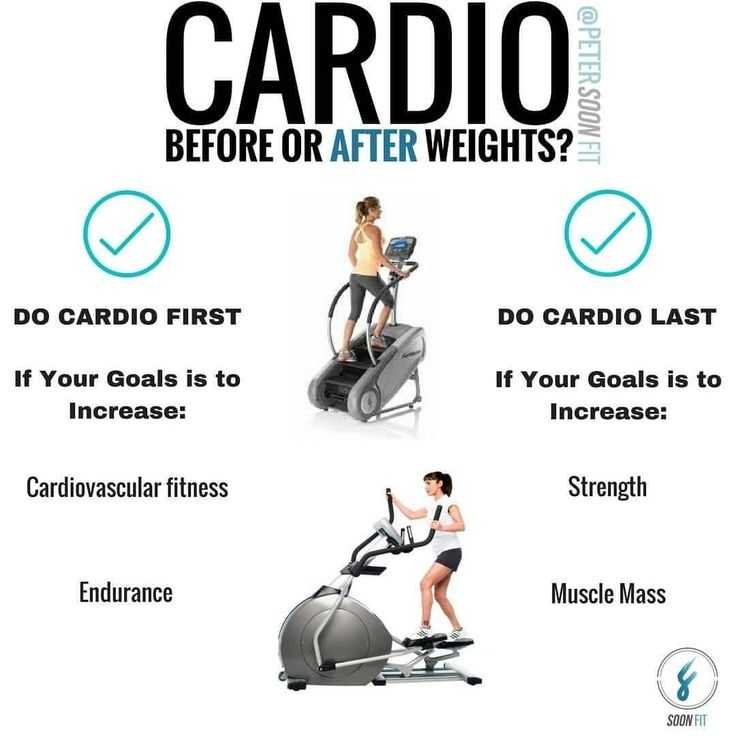
It really depends on your fitness goals, but generally, doing weights before cardio is more effective if your primary focus is building strength, while doing cardio first can help warm up your muscles and boost endurance. For most, a balanced approach works best, with some cardio before and after weights to maximize both stamina and muscle gains.
If you’re trying to lose weight or improve cardiovascular health, doing cardio first might give you that metabolic boost. Conversely, if your goal is muscle growth and strength, starting with weights helps you lift heavier and train more effectively. Ultimately, the best approach varies based on individual goals and preferences, but understanding these differences can help you optimize your workout routine.
When it comes to deciding whether to do cardio before or after weights, the answer truly hinges on what you want to achieve. Many gym-goers puzzle over this question, eager to make their workouts as effective as possible. Some prefer to do cardio first to warm up, while others save it for after lifting, so they don’t tire out their muscles prematurely. Balancing these elements can be tricky, especially with busy schedules and different fitness priorities. The key is knowing what matters most to you—whether it’s gaining strength, shedding pounds, or improving endurance—and tailoring your workout accordingly.

Is It Better to Do Cardio Before or After Weights?
Understanding the Main Goal of Your Workout
Every workout serves a different purpose. Are you trying to improve your endurance, build muscle, or burn fat? Knowing your main goal helps decide whether to do cardio first or after weights. For example, if you want to increase strength, focus on weights first. If fat loss is the goal, your approach might be different.
The Impact of Cardio Before Weights
Performing cardio before lifting weights can warm up your muscles. This can help prevent injuries and boost your energy levels. But doing too much cardio first might tire your muscles and reduce your ability to lift heavy weights effectively.
Advantages of Doing Cardio First
- Warms up the body, increasing blood flow
- Prepares your muscles for resistance training
- Boosts mental focus and motivation
Disadvantages of Doing Cardio First
- Possible fatigue leading to decreased strength during weights
- Reduced muscle glycogen, which may limit muscle gains
- Potential for burning muscle instead of fat if done excessively
The Benefits of Doing Weights Before Cardio
Starting with weights allows you to lift with maximum strength and energy. You can focus on proper form and lift heavier without tiring out beforehand. This is especially beneficial if your goal is building muscle or increasing strength.
Advantages of Doing Weights First
- Maximizes energy for strength training
- Prevents muscle fatigue from cardio exercises
- Enhances muscle growth and recovery
Disadvantages of Doing Weights First
- May leave you tired for cardio, reducing its effectiveness
- Less warm-up for cardiovascular endurance
- Potential for decreased workout volume if energy levels drop
Combining Cardio and Weights: The Best Approach
Many people prefer combining both types of exercises during their workout. This can be done in different ways, such as alternating days or splitting workouts into sections. It helps balance strength, endurance, and fat burning.
Sample Workout Structures
- Cardio followed by weights: Ideal for endurance and warm-up
- Weights followed by cardio: Better for muscle building and strength
- Alternate days: Focus on cardio one day, weights the next
- Combination within the same session: Short cardio warm-up, weights, then light cardio cool-down
The Role of Workout Intensity and Duration
Intensity and duration are key factors when choosing the order of exercises. High-intensity cardio before weights might cause fatigue. Conversely, a brief warm-up can enhance overall performance.
Low-Intensity Cardio
Performing light jogging or cycling for about 5-10 minutes can serve as a warm-up without draining energy. This prepares your muscles and cardiovascular system.
High-Intensity Cardio
Engaging in intense cardio, like sprints or HIIT, before weights can exhaust your muscles and reduce your lifting capacity. Use this carefully depending on your goals.
Considering Your Personal Fitness Level
Beginners might benefit from focusing on one type of exercise at a time to avoid overexertion. More experienced exercisers can experiment with different sequences to see what works best for their body.
For Beginners
Start with light cardio before weights to ease into the workout. Focus on proper form and gradually increase intensity.
For Advanced Athletes
Try alternating the order depending on your goals. Some days focus on strength, others on endurance, adjusting the sequence accordingly.
Nutrition and Rest in Your Workout Strategy
No matter the order, proper nutrition and rest are essential. Consuming carbs before exercise provides energy, while protein after helps muscle repair.
Timing Your Meals
Eat a balanced meal with carbs and protein about one to two hours before working out. Post-workout, aim for a meal rich in protein within 30 to 60 minutes.
Importance of Rest
Allow muscles to recover, especially if combining cardio and weights frequently. Rest days help prevent injuries and improve performance over time.
Additional Tips for Optimizing Your Workout
– Always listen to your body and adjust intensity accordingly.
– Incorporate stretching to improve flexibility and reduce soreness.
– Stay hydrated before, during, and after workouts.
– Vary your routine to prevent boredom and plateaus.
Related Topics to Consider
Interval Training and Its Benefits
Interval training involves alternating high and low-intensity exercises. It can be effective for both cardio and strength improvements and can be adapted to fit your workout order.
Strength Training for Fat Loss
Building muscle through weights can boost metabolic rate, aiding in fat burning even after your workout ends. Combining this with cardio can maximize fat loss.
Cardio Alternatives for Weight Training Days
Some prefer low-impact options like swimming or brisk walking on weight training days. These keep the body active without excessive fatigue.
Tracking Progress and Adjusting Your Routine
Keep a workout journal to monitor how your body responds. Adjust the sequence based on your progress and how you feel during exercises.
This comprehensive overview shows that whether you do cardio before or after weights depends on your personal goals, current fitness level, and workout preferences. Both approaches have their benefits, and mixing them can yield balanced results. Focus on proper form, nutrition, and rest to support your fitness journey effectively.
Frequently Asked Questions
How does doing cardio before weights affect strength training performance?
Performing cardio before lifting weights can lead to fatigue, which may reduce your strength and stamina during resistance exercises. When your muscles are tired from cardio, you might not lift as much weight or complete as many repetitions, potentially impacting your overall progress. If your goal is to maximize strength gains, consider doing cardio after lifting or on separate days.
Can doing weights before cardio improve workout efficiency?
Starting with weights allows you to focus your energy on resistance training, leading to better muscle engagement and strength development. If your primary aim is building muscle, it’s beneficial to perform weightlifting first when your muscles are fresh. Cardio afterward can serve as a good cool-down, helping with recovery and cardiovascular health.
What impact does the order of cardio and weights have on fat loss?
Both approaches can support fat loss, but doing cardio after weights may be more effective for burning fat. Weight training depletes glycogen stores, which encourages your body to burn fat for energy during cardio. Alternately, doing cardio first might lead to quicker fatigue, limiting your resistance training intensity. Combining both in your routine, regardless of order, can contribute to overall fat loss.
Should beginners prioritize cardio or weights in their workout routine?
Beginners should focus on mastering proper form in resistance training first, so performing weights before cardio can be advantageous. Building a strong foundation with weights ensures safe exercise habits, and incorporating cardio afterward helps improve endurance and overall fitness. As they progress, they can experiment with different sequences to see what best suits their goals.
How does the timing of cardio relative to weights influence muscle recovery?
Doing cardio immediately after lifting may increase muscle soreness and delay recovery due to added fatigue. Conversely, separating cardio and weights or doing cardio beforehand allows your muscles to recover better and reduces the risk of overtraining. Planning your workouts with sufficient rest between intense cardio and resistance training helps maintain optimal recovery levels.
Final Thoughts
Doing cardio before or after weights depends on your fitness goals. If your goal is endurance or fat loss, start with cardio to maximize those benefits. For building strength and muscle, lifting weights first helps you work with maximum energy.
In conclusion, is it better to do cardio before or after weights? It ultimately depends on your priorities. Tailor your workout to meet your objectives, but both approaches can complement each other effectively.
As an Amazon Associate, We earn from qualifying purchases. When you purchase a product through Amazon links on pulsefitguide.com, we may earn a small commission at no extra cost to you. This helps support the site and keep our content free.
