


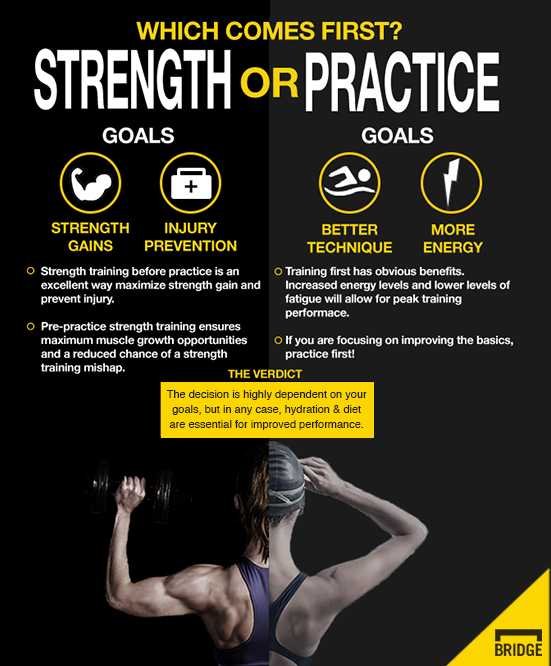
Starting with weights or cardio first depends on your fitness goals. If you’re aiming to build muscle, lifting weights before cardio might be more effective. Conversely, if your goal is endurance or fat loss, doing cardio first can warm up your body and boost calorie burn. Ultimately, both sequences have their benefits, so the best approach varies from person to person.
For most people, the ideal order hinges on personal objectives and workout preferences. There’s no one-size-fits-all answer, but understanding how each sequence impacts your performance and results can help you make an informed decision. Keep reading to discover what works best for your goals and how to optimize your workout routine to see the best results.

Is It Best to Do Cardio First or Weights?
Understanding the Main Goals of Your Workout
To decide whether to do cardio first or weights, you need to understand your main fitness goals. Are you aiming to lose weight, build muscle, improve endurance, or a mix of these? Your goal influences the best order of exercise because different priorities require different approaches. For example, if weight loss is your goal, doing cardio first might burn more calories early on. If building strength is your priority, starting with weights can help you lift heavier and perform better.
How Doing Cardio First Affects Your Workout
Starting with cardio can warm up your muscles and increase your heart rate, which helps prepare your body for more intense activity. This can make your workout feel easier and reduce the risk of injury. However, doing cardio first might deplete your energy levels, making your weightlifting session less effective. For those aiming for endurance or improving cardiovascular health, cardio at the start can be beneficial.
Benefits of Doing Weights First
Lifting weights before cardio allows you to focus your energy on strength training. You’ll likely perform better and lift heavier when you haven’t fatigued your muscles beforehand. This approach is ideal if your goal is muscle gain or improving strength. It also ensures that your workout includes enough intensity for strength training without being compromised by prior fatigue from cardio.
Impact on Energy Levels and Performance
Your body’s energy reserves, primarily glycogen stored in muscles, are important for high-quality workouts. Doing cardio first can use up these reserves, leading to less effective weight training. Conversely, starting with weights preserves your glycogen stores for lifting, which can enhance your strength and muscle gains. The choice depends on which exercise you prioritize and your energy management.
Effect on Fat Loss and Muscle Gain
If fat loss is your main goal, the order can influence how many calories you burn. Doing cardio first can burn more calories overall during the session, but it may sacrifice some strength performance. For muscle gain, beginning with weights helps maintain strength and muscle mass. Some people combine both strategies to optimize fat burning and muscle growth by adjusting the order based on the session focus.
Which Approach Is Better for Beginners?
Beginners often benefit from starting with lighter activities like warm-up cardio before moving to weights. This approach reduces injury risk and helps build confidence. As you progress, you might experiment with different orders to see what works best for your goals and energy levels.
How to Incorporate Both Into Your Routine
You can combine cardio and weights in various ways. Some prefer doing cardio and weights on separate days, while others incorporate them in the same session. If doing both in one day, consider the following options:
- Start with weights if your goal is strength or muscle gain.
- Begin with cardio if improving endurance or burning calories during the workout is your priority.
- Alternate the order based on your workout focus each session.
Make sure to include proper warm-up and cool-down periods to optimize performance and recovery.
The Role of Workout Duration and Intensity
Longer workouts or high-intensity sessions might influence your order choice. For instance, a short, high-intensity cardio session before weights can serve as a warm-up. Conversely, a long cardio session might tire out muscles, reducing weightlifting effectiveness. Adjust your workout structure depending on how much time you have and the intensity level to maximize results.
Sample Workout Plans Based on Goals
To help visualize the best approach, here are sample plans:
- Fat Loss Focus: 5-minute warm-up cardio, then weights, followed by 20-minute cardio.
- Muscle Building: Weights first for 45 minutes, then light cardio for 15 minutes as active recovery.
- Endurance Improvement: Cardio sessions first, then strength training targeting muscular endurance.
Common Mistakes to Avoid
Avoid these pitfalls to make your workout effective:
- Neglecting proper warm-up and cool-down periods.
- Overtraining one area at the expense of another.
- Ignoring your body’s signals and pushing too hard without rest.
- Not adjusting your diet and hydration to support your workout plan.
Listening to your body ensures consistent progress and reduces injury risk.
The decision to do cardio first or weights depends on your individual goals, energy levels, and workout preferences. For strength and muscle gain, starting with weights generally provides better results. If endurance and calorie burn are your main goals, doing cardio first might be advantageous. Experimenting with both approaches can help you find the best routine tailored to your needs, making your workouts more effective and enjoyable.
Frequently Asked Questions
What factors should I consider when deciding the order of my workout?
Think about your primary fitness goals. If building strength is your main focus, starting with weights can allow you to lift heavier and maintain proper form. Conversely, if improving cardiovascular endurance is your goal, doing cardio first can help you maximize that aspect. Also, consider how your body responds to different routines and plan accordingly to avoid fatigue that might hinder your performance in either activity.
How does doing cardio before weights affect my energy levels?
Performing cardio before lifting weights can lead to fatigue, especially if your session is intense or lengthy. This fatigue might reduce your strength and performance during weight training. However, for some, doing cardio first helps warm up muscles and increases blood flow, which can be beneficial for injury prevention. Pay attention to how your body feels and adjust your workout order to suit your energy levels.
Can alternating the order of cardio and weights improve my overall fitness?
Yes, switching the order of your workouts can prevent plateaus and keep your routine varied. Alternating between doing cardio first and weights first encourages different adaptations in your muscles and cardiovascular system. This variation can also keep your workouts interesting and reduce the risk of overuse injuries, helping you progress steadily toward your fitness goals.
Final Thoughts
Doing cardio first can warm up muscles and improve endurance, making subsequent weight training more effective. Starting with weights helps build strength before fatigue sets in, which can be safer and more efficient.
Ultimately, the best approach depends on individual goals. If building muscle, do weights first; for endurance, start with cardio.
is it best to do cardio first or weights? Both options have benefits, but prioritizing your main goal guides the choice. Choose what aligns best with your fitness priorities.
As an Amazon Associate, We earn from qualifying purchases. When you purchase a product through Amazon links on pulsefitguide.com, we may earn a small commission at no extra cost to you. This helps support the site and keep our content free.
