


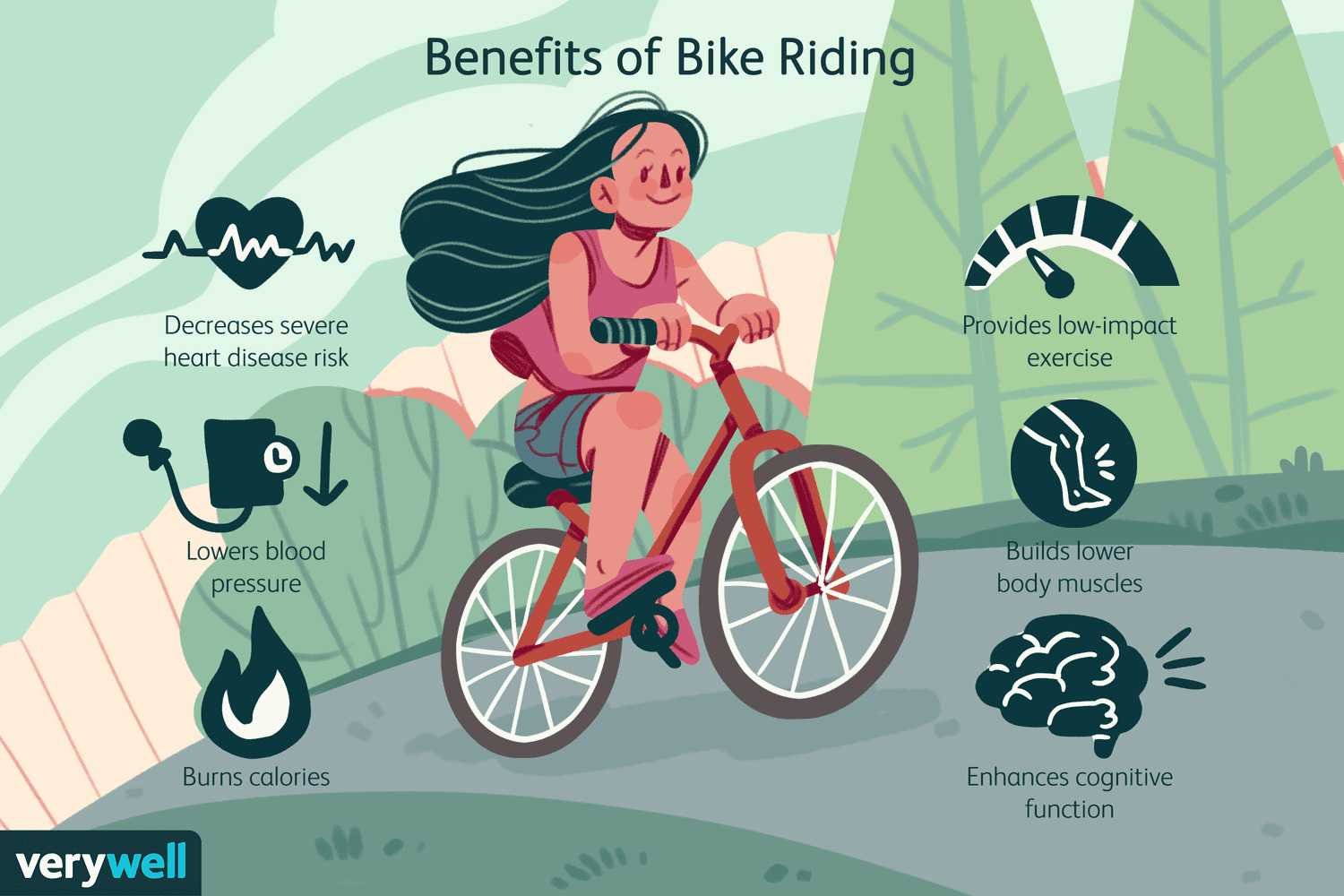
Yes, cycling is excellent for your cardio health. It’s a fun, low-impact way to boost your heart rate and improve overall cardiovascular fitness. Cycling regularly can help reduce the risk of heart disease, increase endurance, and improve circulation. Whether you’re riding outdoors or on a stationary bike, this activity offers a great workout for your heart and lungs.
Cycling is highly beneficial for your cardiovascular system. It is an aerobic exercise that increases your heart rate, promoting better circulation and stronger heart muscles. Engaging in regular cycling sessions can lead to improved stamina, weight management, and overall heart health. So, if you’re looking for a enjoyable way to keep your heart in top shape, cycling is a fantastic choice that fits seamlessly into your daily routine.
Starting a cycling routine is one of the easiest ways to incorporate cardio exercise into your lifestyle. It’s suitable for all fitness levels and can be done anywhere—whether you’re riding through city streets, mountain trails, or on a stationary bike at home. With consistent effort, cycling can significantly enhance your cardiovascular health while keeping the activity enjoyable and stress-free.

Is Cycling Good for Cardio?
Understanding Cardiovascular Exercise and Its Benefits
Cycling is a popular activity for people of all ages looking to improve their heart health. It is considered a form of cardiovascular exercise, which means it helps strengthen the heart and lungs. Regular cycling can lower blood pressure, reduce bad cholesterol, and boost overall stamina. Many people choose cycling because it’s enjoyable and easy to incorporate into daily routines.
How Cycling Gets Your Heart Pumping
When you pedal, your muscles require more oxygen. This causes your heart rate to increase as your heart works harder to supply oxygen-rich blood to your muscles. During moderate to vigorous cycling, your heart beats faster, making it an effective workout for your cardiovascular system. The more you cycle, the stronger your heart becomes over time.
The Ideal Intensity Level for Cardio Benefits
To gain maximum cardio benefits, aim for at least 150 minutes of moderate-intensity cycling per week. This level of activity should make you breathe harder but still allow you to speak comfortably. If you prefer vigorous cycling, 75 minutes per week can also improve heart health. Adjusting your speed and resistance helps target different intensity levels.
How Cycling Helps Improve Heart Health
Cycling boosts circulation and strengthens the muscles involved in blood pressure regulation. It also encourages the growth of new blood vessels, which improves blood flow throughout the body. Regular cycling can help prevent heart-related conditions like coronary artery disease and stroke.
Comparing Cycling with Other Cardio Exercises
While activities like running, swimming, or brisk walking also provide cardio benefits, cycling is gentle on the joints. This makes it a good choice for people with joint pain or arthritis. It offers a low-impact workout that still elevates the heart rate effectively, making it accessible for a wider range of individuals.
Table: Cardio Benefits of Different Exercises
| Exercise | Impact Level | Calories Burned (per 30 mins) | Suitability |
|---|---|---|---|
| Cycling | Low to Moderate | 240-355 | Joint-friendly, versatile |
| Running | High | 290-440 | High impact, effective |
| Swimming | Low | 200-300 | Full-body workout, low impact |
| Walking | Low | 120-180 | Accessible, easy to do daily |
Benefits of Regular Cycling for Heart Health
Cycling helps reduce the risk of early death from heart disease. It improves cholesterol levels by increasing HDL (good cholesterol) and lowering LDL (bad cholesterol). It also supports weight management, which can decrease strain on the heart.
How Often Should You Cycle for Cardio?
For optimal heart health, experts recommend cycling at least three to five times a week. Each session should last between 30 to 60 minutes, depending on your fitness level. Consistency is key to seeing lasting benefits.
Incorporating Interval Training into Cycling
Interval cycling involves alternating between periods of high-intensity pedaling and lower-intensity recovery. This approach boosts cardiovascular improvement by challenging your heart and lungs more efficiently. For example, sprint for 30 seconds, then pedal slowly for 1 minute, repeating several times.
The Role of Resistance and Terrain
Adding resistance with gears or cycling on hilly terrain increases the difficulty of your workout. This leads to higher heart rates and better cardiovascular strength. It also engages different muscle groups, making your workout more effective.
Safety Tips for Effective and Safe Cycling
Always wear a helmet and follow traffic rules when cycling outdoors. Ensure your bike is well-maintained with properly inflated tires and functioning breaks. Start slowly, especially if you’re new to cycling, to prevent injuries and build endurance gradually.
Benefits of Indoor Cycling for Cardio Fitness
Indoor stationary bikes provide a controlled environment for cardio workouts, especially in bad weather. They allow precise control of resistance and intensity, making it easier to monitor your heart rate. Many gyms also offer group classes to motivate and guide your exercise.
Key Equipment for Indoor Cycling
- Stationary bike with adjustable resistance
- Heart rate monitor to track intensity
- Comfortable padded seat and proper footwear
Tracking Your Progress and Cardio Improvements
Monitoring your heart rate during cycling helps ensure you’re exercising at the right intensity. Use a fitness tracker or heart rate monitor to keep track of your progress over time. Regular assessments motivate continued effort and help adjust your workout plan.
Additional Health Benefits from Cycling
Besides improving your heart health, cycling also helps manage stress, promotes mental clarity, and supports joint flexibility. Regular activity can boost your overall energy levels and contribute to better sleep quality.
Cycling definitely offers significant benefits for your cardiovascular health. It’s an effective, accessible, and enjoyable way to strengthen your heart and lungs. When combined with a balanced diet and lifestyle, cycling can help you enjoy better overall health and longevity.
Frequently Asked Questions
How does cycling benefit heart health over other forms of exercise?
Cycling provides a consistent cardiovascular workout that strengthens the heart muscle and improves blood circulation. Unlike high-impact activities, it allows individuals to maintain a steady pace, helping to lower blood pressure and reduce the risk of heart disease over time. Regular cycling sessions contribute to better cholesterol levels and enhance overall heart function.
Can cycling help improve endurance and stamina?
Yes, cycling is excellent for building endurance and stamina. As you ride regularly, your muscles become more efficient at using oxygen, which allows you to sustain longer periods of exertion. Over time, increased stamina from cycling helps you perform daily activities more easily and supports other physical pursuits that require cardiovascular fitness.
What intensity of cycling provides the best cardiovascular workout?
Moderate to vigorous cycling intensities deliver the most effective cardio benefits. Engaging in sessions where you maintain a challenging but sustainable pace helps elevate your heart rate and increase cardiovascular efficiency. Incorporating intervals or hill climbs can further enhance the workout, leading to greater improvements in heart health and overall fitness.
How often should I cycle to see cardiovascular benefits?
To gain noticeable cardiovascular improvements, aim to cycle at least 3 to 5 times a week for 30 to 60 minutes each session. Consistency is key to building endurance and reaping the heart-health benefits associated with regular cycling. Adjust your routine based on your fitness level and gradually increase intensity or duration as you improve.
Does cycling help with weight management related to heart health?
Yes, cycling aids in weight management by burning calories and increasing metabolic rate. Maintaining a healthy weight reduces strain on the heart and decreases the risk of cardiovascular issues. Combining regular cycling with a balanced diet supports weight loss goals and promotes overall heart health.
Final Thoughts
Cycling is an excellent way to boost cardiovascular health. It increases heart rate and improves circulation, which strengthens the heart. Regular rides also enhance lung capacity and stamina.
Cycling is accessible and enjoyable, making it easier to stay consistent. It’s suitable for all fitness levels and can be done indoors or outdoors.
In conclusion, is cycling good for cardio? Absolutely. It offers a fun, effective way to improve your heart health and overall fitness while fitting seamlessly into busy schedules.
As an Amazon Associate, We earn from qualifying purchases. When you purchase a product through Amazon links on pulsefitguide.com, we may earn a small commission at no extra cost to you. This helps support the site and keep our content free.
