

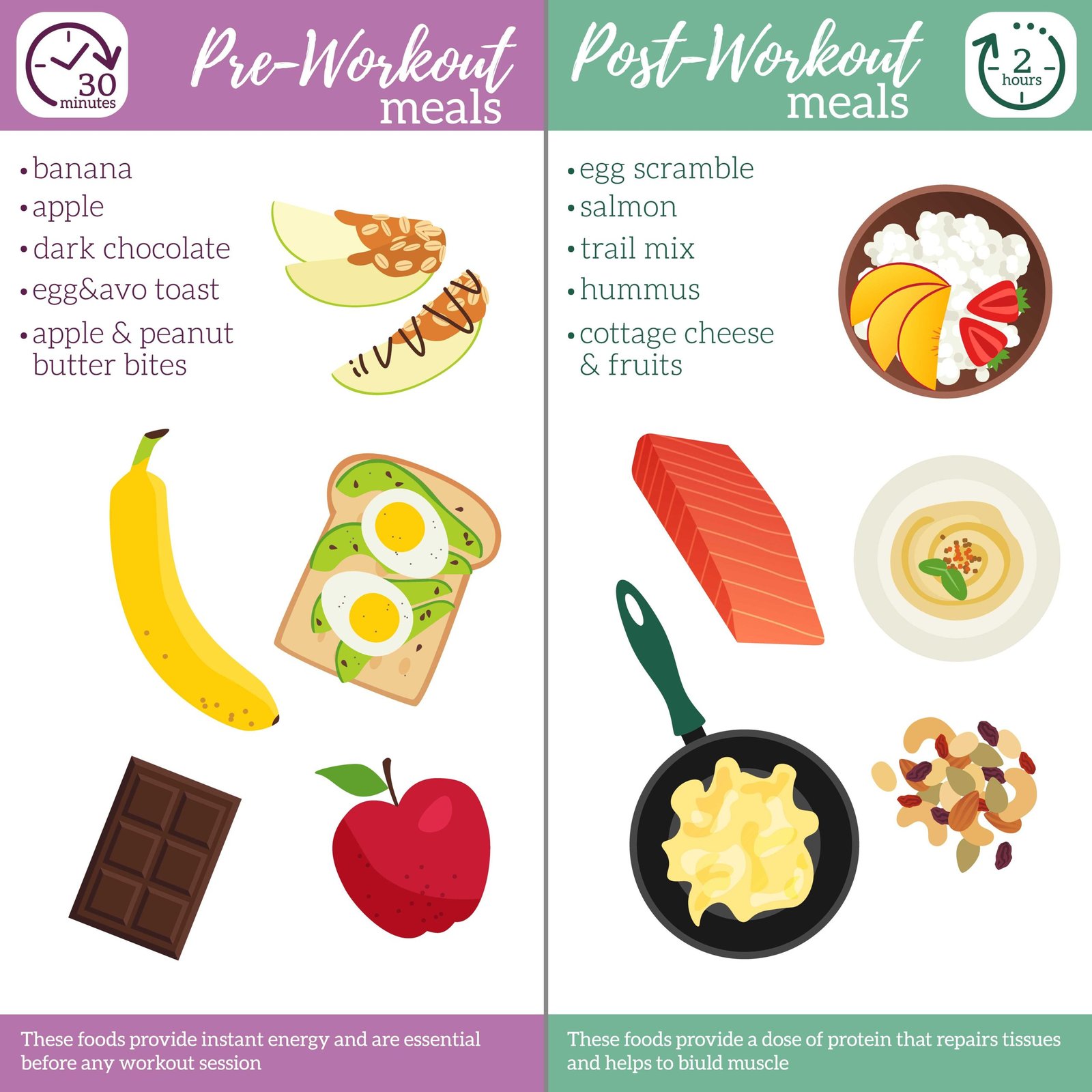
Yes, a pre-workout meal can be beneficial, but it’s not always necessary for everyone. The key is to understand your body’s needs and your workout goals. If you’re planning an intense session or haven’t eaten in a while, fueling up beforehand can boost your energy and performance. However, some people can do well exercising on an empty stomach or with just a small snack. Ultimately, whether you need a pre-workout meal depends on factors like your workout intensity, stomach comfort, and personal preferences. By listening to your body and experimenting, you can discover what works best for you. Knowing when and what to eat before exercising can make your workouts more effective and enjoyable without feeling weighed down or sluggish.

Is a pre-workout meal necessary?
Understanding the role of nutrition before exercise
Eating before exercise can influence how well you perform and how quickly you recover. The right pre-workout meal provides energy, helps prevent fatigue, and can improve your overall workout experience. However, whether a meal is necessary depends on factors like workout intensity, duration, and individual needs.
Why some people skip their pre-workout meal
Many exercisers prefer to workout on an empty stomach to avoid discomfort or indigestion. Others find that eating before a workout makes them feel sluggish or bloated. For some, the timing of their last meal suffices, making a specific pre-workout snack unnecessary.
Benefits of eating before exercise
Eating before a workout offers numerous benefits:
- Provides readily available energy for muscles
- Helps maintain blood sugar levels
- Reduces the risk of dizziness and fatigue
- Supports workout intensity and endurance
- Aids in muscle recovery post-exercise
When is a pre-workout meal truly necessary?
A pre-workout meal becomes more important for workouts that last longer than an hour or are highly intense. If you are engaging in strength training, running, or cycling sessions, consuming some nutrients beforehand can make a significant difference. For shorter, less intense sessions, a light snack might suffice.
Ideal timing for a pre-workout meal
The timing of your meal impacts its effectiveness. Generally, aiming to eat 1 to 3 hours before exercising allows digestion to occur and energy to be available. If you eat too close to your workout, you might experience discomfort or sluggishness.
What to eat before a workout
Choosing the right foods is key to maximizing energy and minimizing discomfort. Focus on:
- Carbohydrates for quick energy (whole grains, fruits, vegetables)
- Moderate amounts of protein (chicken, Greek yogurt, nuts)
- Healthy fats in small quantities (avocado, nuts, olive oil)
Avoid high-fat or heavy, greasy foods that can cause indigestion or sluggishness.
Sample pre-workout meals and snacks
Here are some simple options:
- Banana with a spoonful of peanut butter
- Oatmeal topped with berries
- Whole wheat toast with honey and a slice of turkey
- Greek yogurt with sliced fruit and honey
- Small smoothie with fruit, yogurt, and a splash of juice
How much to eat before working out?
Portion size depends on the intensity of your exercise and personal digestion. Typically, a meal should be satisfying but not overly full. A good rule is to eat enough to feel energized but avoid overeating, which can cause discomfort.
Risks of skipping a pre-workout meal
Exercising without proper fuel can lead to:
- Lower energy levels
- Increased perception of effort
- Higher chance of muscle breakdown
- Longer recovery times
- Possibility of dizziness or nausea
This can hinder your progress and make workouts less effective.
When might you need to supplement with quick energy sources?
If you haven’t eaten for many hours or feel low on energy, consider small quick carbs like an energy gel or fruit. These can boost blood sugar rapidly during your workout. Always listen to your body and adjust accordingly.
Related topics to consider
In addition to whether you need a pre-workout meal, think about:
- Post-workout nutrition for recovery
- Hydration strategies during exercise
- The impact of meal timing on athletic performance
- Personal energy needs based on fitness goals
How individual factors influence the need for a pre-workout meal
Every person reacts differently to exercise and food intake. Some may perform well on an empty stomach, while others need fuel to succeed. Personal factors such as age, metabolic rate, and fitness level shape these needs.
Listening to your body
Pay attention to how your body responds to eating or skipping before workouts. If you notice signs of fatigue or poor performance, consider adjusting your meal timing or composition. Trial and error often helps find what works best for you.
Summary of key points
To sum up:
- A pre-workout meal can improve performance and recovery.
- Timing and food choices greatly influence effectiveness.
- For most workouts longer than 60 minutes or intense sessions, a meal or snack is recommended.
- Shorter, less intense workouts might not require a full meal, just a small snack if needed.
- Listen to your body’s signals and adapt your nutrition accordingly.
By understanding your exercise habits and personal needs, you can decide whether a pre-workout meal benefits you. Preparing the right foods at the right time can help you feel energized, perform better, and recover faster after each session.
The Pre and Post Workout Meal Myth – DO'S and DON'TS – Dr. Berg
Frequently Asked Questions
How does a pre-workout meal affect workout performance?
A nutritious pre-workout meal provides your body with essential energy, which helps you perform exercises with greater intensity and endurance. It supplies carbohydrates for immediate energy, protein for muscle support, and healthy fats that sustain energy levels during longer sessions. Eating appropriately before exercise can reduce fatigue and improve overall workout quality.
What are the risks of skipping a pre-workout meal?
Skipping a meal before exercising may lead to low blood sugar levels, resulting in dizziness, weakness, and decreased stamina. Without adequate fuel, your muscles may tire faster, and you might not perform at your best. This can increase the risk of injury and hinder your progress over time.
Should I eat anything if I don’t have much time before working out?
If you’re short on time, opt for a small, easily digestible snack that combines carbs and a little protein, such as a banana with peanut butter or a small yogurt. These options can boost your energy without causing discomfort during your workout. Avoid heavy or greasy foods that may cause gastrointestinal issues.
Can a pre-workout meal help with muscle recovery post-exercise?
While the primary goal of a pre-workout meal is to fuel your workout, eating the right nutrients beforehand can also support quicker recovery. Consuming protein and carbs before exercise ensures your muscles have the necessary building blocks for repair and replenishment after your session.
Is it necessary to eat a large meal before every workout?
No, not every workout requires a large meal beforehand. The timing and size depend on your personal preference, workout intensity, and duration. For lighter or shorter sessions, a small snack or nothing at all may suffice. For longer or more intensive workouts, a substantial pre-workout meal can be beneficial.
Final Thoughts
A pre-workout meal can boost energy and improve performance during exercise. Eating lightly before working out helps prevent fatigue and keeps you focused.
However, some individuals can work out effectively without a meal if they feel comfortable doing so. It largely depends on personal preference, workout intensity, and timing.
Is a pre-workout meal necessary? Not always. Listen to your body and adjust your routine to meet your needs.
As an Amazon Associate, We earn from qualifying purchases. When you purchase a product through Amazon links on pulsefitguide.com, we may earn a small commission at no extra cost to you. This helps support the site and keep our content free.