

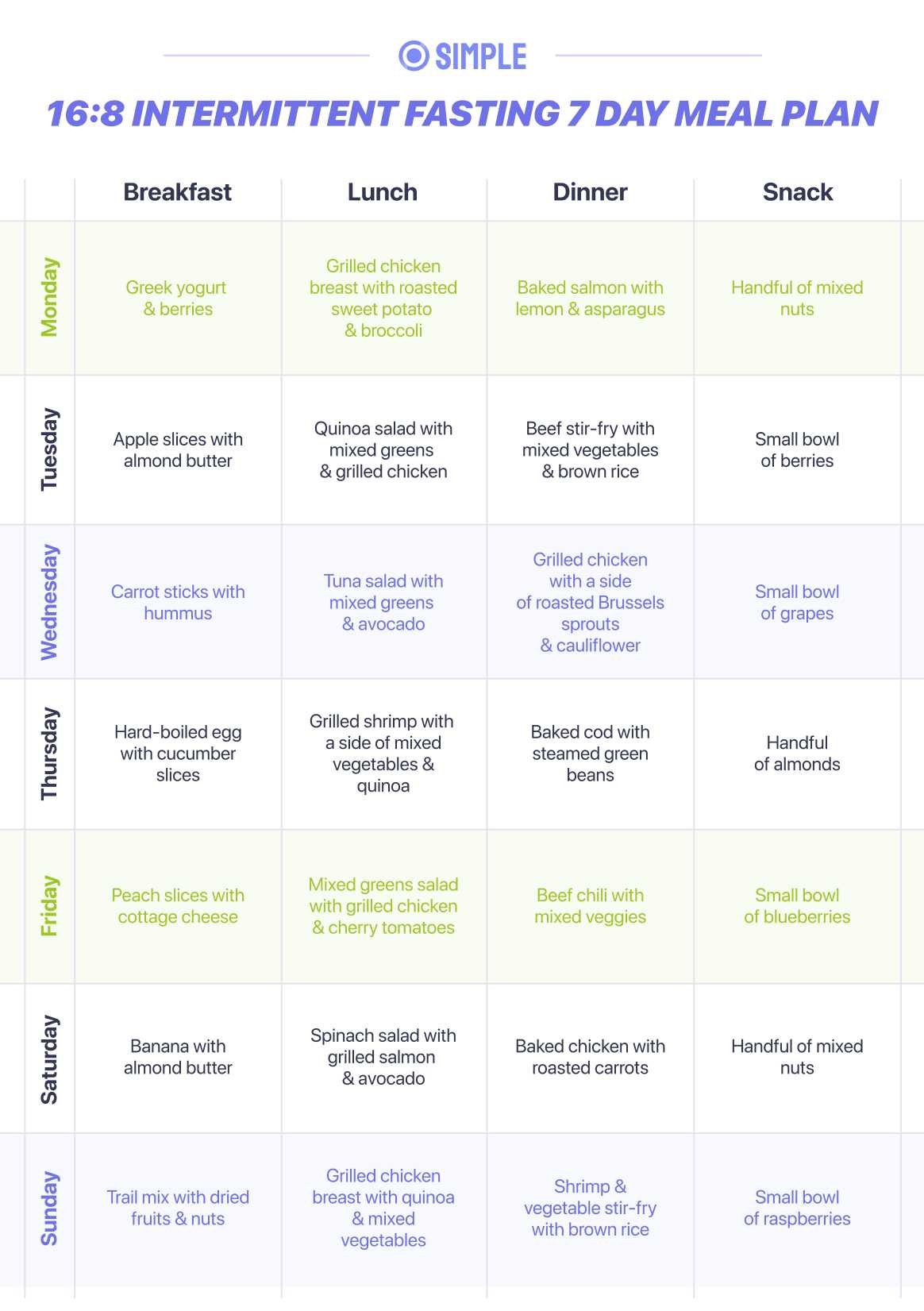
To optimize your health with intermittent fasting, pair your fasting window with nutrient-dense meals that keep you energized and satisfied. Structuring your eating schedule to include balanced, nutrient-rich foods ensures you get essential vitamins and minerals while supporting weight management and overall wellness. Incorporating a variety of whole foods during your eating periods can make your fasting journey more sustainable and enjoyable.
In short, an effective intermittent fasting meal schedule involves eating during specific windows and focusing on nutrient-rich foods like vegetables, lean proteins, healthy fats, and whole grains. This approach helps maximize health benefits without feeling deprived or hungry. With proper planning, you can enjoy delicious, nourishing meals that support your fasting goals and boost your vitality.
Intermittent fasting is gaining popularity for its simplicity and health benefits, but the key to making it sustainable lies in what you eat during your designated eating periods. A well-planned schedule that emphasizes nutrient-dense meals allows your body to receive vital nutrients while maintaining the fasting routine. By choosing colorful vegetables, quality proteins, and healthy fats, you can enhance your energy levels, support your metabolism, and improve overall health. This article will guide you through creating a practical fasting plan combined with delicious, nutrient-rich meals that will keep you satisfied and motivated on your wellness journey.

Intermittent Fasting Meal Schedule with Nutrient Rich Meals
Understanding Intermittent Fasting and Its Benefits
Intermittent fasting involves cycling between periods of eating and fasting. Many people choose this approach to improve health, lose weight, or boost energy levels. It is not about what you eat but when you eat, making meal timing a key factor.
Nutrient-rich meals are essential during eating windows. They supply the vitamins, minerals, fiber, and healthy fats your body needs. Combining a proper meal schedule with nutrient-dense foods can support overall well-being.
Popular Intermittent Fasting Patterns
There are several common fasting schedules to consider:
- 16/8 Method: Fast for 16 hours and eat during an 8-hour window.
- 5:2 Diet: Eat normally five days a week, reduce calorie intake significantly on two non-consecutive days.
- Eat-Stop-Eat: Fast for a full 24 hours once or twice a week.
Each pattern offers different benefits and challenges. Choosing the right schedule depends on your lifestyle, goals, and health status.
Creating a Nutrient-Rich Meal Schedule
A successful meal plan during intermittent fasting combines meal timing and nutrient quality. Focus on food choices that are high in essential nutrients but low in empty calories.
- Main Meals: Consume balanced meals full of vegetables, lean proteins, whole grains, and healthy fats.
- Snacks: Opt for nutrient-dense snacks like nuts, fruits, or yogurt if your schedule allows.
- Hydration: Drink plenty of water, herbal teas, or black coffee during fasting periods to stay hydrated.
Consistency is key to developing a sustainable routine that supports your health goals.
Timing Your Meals for Optimal Nutrient Intake
Align your meals with your fasting schedule for maximum benefits. Typically, two to three nutrient-rich meals within your eating window works well.
Sample Meal Timing for 16/8 Method
- First Meal (Break-Fast): 12:00 PM – A hearty, balanced meal rich in vegetables, lean protein, and healthy fats.
- Second Meal: 4:00 PM – Include complex carbohydrates, protein, and colorful vegetables.
- Optional Snack or Light Meal: 7:30 PM – Focus on plant-based foods, nuts, or a small portion of lean meat.
This schedule allows for flexibility and ensures your body receives essential nutrients throughout the day.
Meal Composition: What to Include for Nutrient Density
A nutrient-rich meal contains a variety of food groups that provide essential vitamins and minerals.
Key Components of a Nutrient-Dense Meal
- Vegetables: Dark leafy greens, cruciferous vegetables, peppers, and carrots.
- Proteins: Lean meats, fish, eggs, tofu, or legumes.
- Whole grains: Brown rice, quinoa, oats, or whole wheat bread.
- Healthy fats: Avocados, nuts, seeds, and olive oil.
Including these components ensures that you meet your daily nutritional needs while restricting calorie intake.
Sample Meal Ideas for Nutrient Richness
Here are some meal ideas to incorporate into your fast:
Breakfast Options
- Oatmeal topped with berries, flaxseeds, and nuts.
- Scrambled eggs with spinach and whole-grain toast.
Lunch Ideas
- Grilled chicken salad with mixed greens, cherry tomatoes, and olive oil dressing.
- Quinoa bowl with roasted vegetables and hummus.
Dinner Suggestions
- Baked salmon with steamed broccoli and sweet potatoes.
- Stir-fried tofu with assorted colorful vegetables over brown rice.
These meals are not only nutrient-rich but also flavorful and satisfying.
Additional Tips for Maintaining Nutrient Intake During Fasting
Ensuring you get enough nutrients during your eating window is vital.
- Plan your meals ahead of time to include diverse, colorful foods.
- Use herbs and spices to enhance flavor without extra calories.
- Limit processed foods and added sugars to maximize nutrient density.
- Include fermented foods like yogurt and sauerkraut for gut health.
Listening to your body and adjusting meal sizes and composition can help you maintain energy and avoid cravings.
Monitoring and Adjusting Your Meal Schedule
Track your progress and how your body responds to your eating window and meal choices.
- Keep a food journal to note what you eat and how you feel.
- Adjust portion sizes or meal timing if you experience hunger or fatigue.
- Consult with healthcare providers for personalized advice, especially if you have health conditions.
This ongoing evaluation helps you refine your schedule and maximize health benefits.
Combining an intermittent fasting meal schedule with nutrient-rich meals creates a sustainable way to improve health and well-being. Focus on balanced, colorful foods within your eating window, and stay hydrated during fasting periods. By paying attention to your body’s needs and adjusting accordingly, you can enjoy the benefits of this approach while feeling energized and satisfied throughout the day.
Chris Pratt gave intermittent fasting a try #menshealth
Frequently Asked Questions
How can I ensure my nutrient intake remains balanced during intermittent fasting?
To keep your nutrient intake balanced, plan meals that include a variety of whole foods such as lean proteins, colorful vegetables, healthy fats, and whole grains. Incorporate foods rich in vitamins, minerals, and fiber to support overall health. When fasting, prioritize nutrient-dense meals to meet your daily requirements without overeating. Staying hydrated and including small snacks like nuts or fruits can also help maintain energy levels and nutritional balance.
What are some effective meal options for nutrient-rich fasting periods?
Opt for meals that combine quality proteins like eggs, fish, or legumes with plentiful vegetables and healthy fats such as avocados or olive oil. Incorporate complex carbohydrates like sweet potatoes or quinoa for sustained energy. Incorporate fermented foods like yogurt or kimchi to support gut health. Preparing meals ahead of time ensures you have access to nutrient-rich options during your fasting window, making it easier to adhere to your schedule.
How should I time my nutrient-dense meals around fasting windows?
Plan your main nutrient-dense meals to coincide with the beginning and end of your fasting periods. For example, have a hearty meal before the fast begins and a balanced one when you break your fast. Incorporate smaller, healthy snacks if needed to maintain energy levels. Adjust meal sizes and compositions based on your activity level and hunger cues to ensure adequate nutrition without feeling overly full.
What are common mistakes to avoid when following an intermittent fasting meal schedule with nutrient-rich foods?
Avoid skipping essential nutrients or relying solely on processed foods. Ensure your meals include a mix of macronutrients and micronutrients instead of empty calories. Don’t forget to hydrate properly, as fasting can sometimes lead to dehydration. Overeating or choosing unhealthy snacks during non-fasting periods can also undermine your goals. Plan your meals thoughtfully to maintain balance and support your health throughout the fasting regimen.
Final Thoughts
Intermittent fasting meal schedule with nutrient rich meals optimizes health and energy levels. Planning balanced meals during eating windows ensures the body receives essential nutrients without overeating. Incorporating whole foods, vegetables, and lean proteins supports overall well-being and sustains fasting periods.
By choosing nutrient-dense foods, you promote better digestion and sustained energy. This approach makes fasting more manageable and enjoyable. A well-structured schedule helps maintain consistency and achieve your health goals effectively.
As an Amazon Associate, We earn from qualifying purchases. When you purchase a product through Amazon links on pulsefitguide.com, we may earn a small commission at no extra cost to you. This helps support the site and keep our content free.