

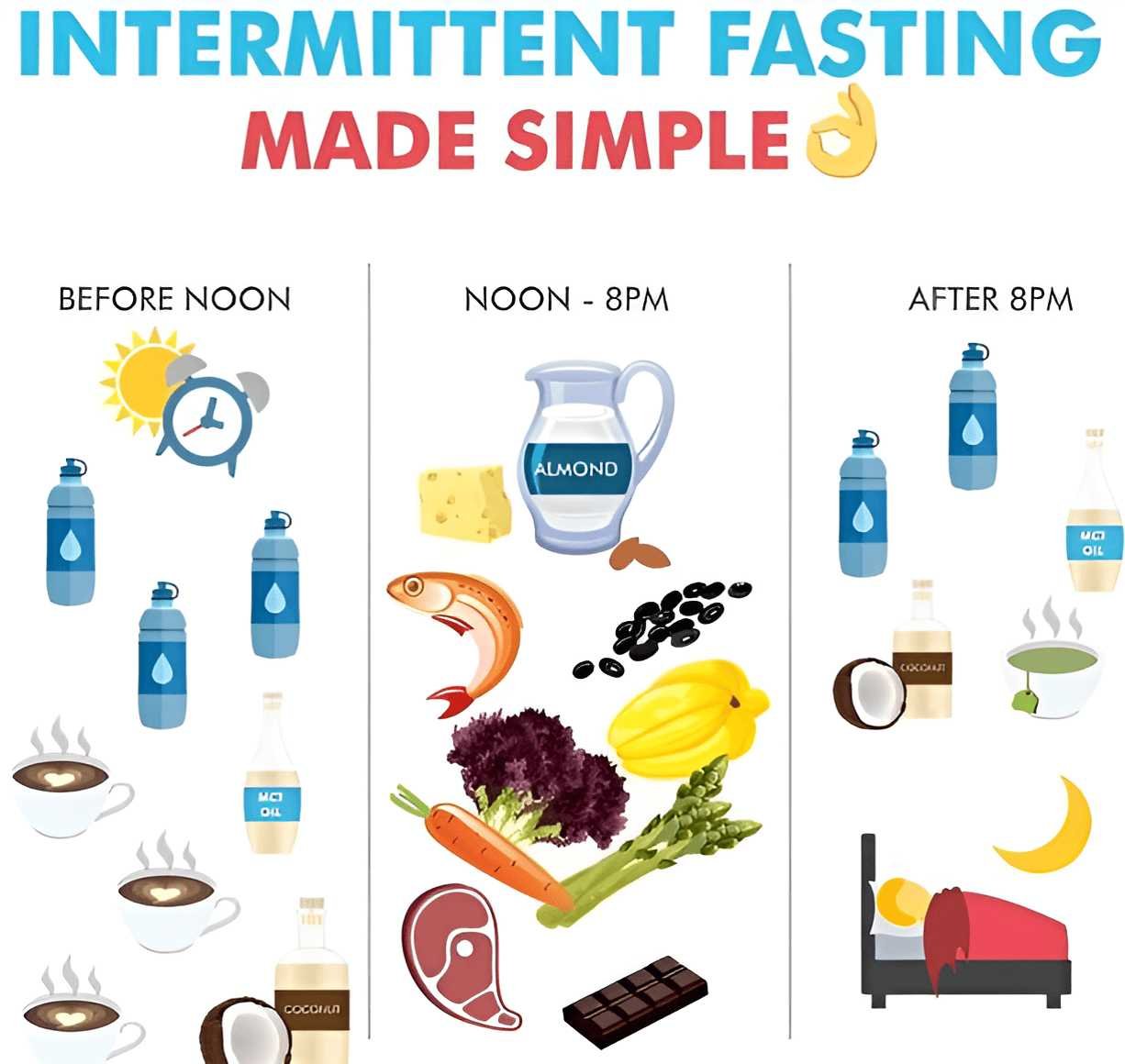
Struggling to shed pounds while enjoying your favorite foods? Intermittent fasting offers a flexible, effective approach to weight loss that fits into busy lifestyles. By focusing on when you eat rather than what you eat, you can boost fat burning and improve overall health. The key is choosing nourishing, satisfying meals that support your fasting schedule and keep you energized. This simple meal guide helps you navigate the best options for fasting-friendly eating, ensuring your weight loss journey is enjoyable and sustainable.
In a nutshell, intermittent fasting combined with thoughtfully planned meals can accelerate fat loss and promote better health. The guide provides nutritious, filling meal ideas that align with your fasting windows, making weight management easier and more manageable.
Starting with intermittent fasting can seem daunting, but once you understand the principles, it becomes a powerful tool for achieving your weight loss goals. Whether you’re skipping breakfast or limiting your eating window to a few hours each day, choosing the right foods during your eating periods is crucial. This meal guide is designed to help you make smart, satisfying choices that support your fasting schedule while keeping you full and energized. It emphasizes whole, nutrient-dense foods, balanced meals, and hydration, ensuring that your fasting routine is not only effective but also enjoyable. With consistency and the right meal plan, you’ll find yourself losing weight more effortlessly and feeling healthier than ever.

Intermittent Fasting Friendly Weight Loss Meal Guide
Understanding Intermittent Fasting and Its Benefits
Intermittent fasting (IF) involves alternating periods of eating with periods of fasting. This approach can help reduce calorie intake naturally and promote fat burning. Many people find IF effective for weight loss because it simplifies meal planning and encourages healthier eating habits. Additionally, IF may boost metabolism and improve insulin sensitivity, which are important for weight management.
Choosing the Right Fasting Schedule for You
There are several popular fasting schedules designed to fit different lifestyles. The **16/8 method** involves fasting for 16 hours and eating during an 8-hour window. The **5:2 method** limits calorie intake to about 500-600 calories on two non-consecutive days each week. The **Eat-Stop-Eat** plan requires fasting for 24 hours once or twice a week. Select a schedule that feels manageable and sustainable to ensure long-term success.
What to Eat During Your Eating Windows
Focusing on nutrient-dense foods during your eating periods supports weight loss and overall health. Fill your plate with:
- Vegetables: Leafy greens, broccoli, carrots, and peppers
- Proteins: Lean chicken, turkey, fish, and plant-based options like beans and tofu
- Healthy fats: Avocado, nuts, seeds, and olive oil
- Whole grains: Quinoa, brown rice, oats, and whole wheat bread
Aim for balanced meals that contain proteins, healthy fats, and complex carbs to stay full longer and prevent overeating.
Sample Intermittent Fasting Friendly Meals
Below are examples of meals perfect for your eating windows:
Breakfast Ideas
- Oatmeal topped with berries and a spoonful of almond butter
- Scrambled eggs with spinach and whole-grain toast
- Greek yogurt with mixed nuts and honey
Lunch Options
- Grilled chicken salad with mixed greens, tomatoes, cucumbers, and olive oil dressing
- Quinoa bowl with roasted vegetables and chickpeas
- Sushi with fresh fish, brown rice, and steamed vegetables
Dinner Ideas
- Baked salmon with steamed broccoli and sweet potato
- Stir-fry with tofu, colorful vegetables, and brown rice
- Turkey chili with beans and vegetables
Snacks That Support Your Fasting Goals
Pick healthy snacks that are filling but low in calories to keep hunger at bay during your eating window. Great options include:
- Fresh fruit like apples or berries
- Raw vegetables with hummus
- A small handful of nuts or seeds
- Hard-boiled eggs
Limit processed snacks and sugary treats, as they can spike insulin levels and hinder weight loss.
Meal Timing and Portion Control
Pay attention to how much you eat within your window. Even healthy foods can lead to weight gain if portions are too large. Use smaller plates or bowls to control serving sizes and prevent overeating.
Eating slowly and savoring each bite helps your brain recognize fullness signals sooner. Consistency in meal timing supports your body’s natural rhythms and improves overall results.
Hydration During Fasting Periods
Staying well-hydrated is critical during fasting hours. Drink plenty of water, and herbal teas or black coffee are acceptable if they contain no added sugars or cream. Proper hydration can curb hunger and keep your energy levels steady throughout the day.
Supplements and Beverages to Support Fasting
Some individuals find that adding electrolytes like sodium, potassium, and magnesium can help during extended fasts. Choose zero-calorie beverages to avoid breaking your fast, and avoid sugary drinks that can lead to insulin spikes.
Meal Prep Tips for Intermittent Fasting
Preparing meals in advance ensures you always have nutritious options on hand. Batch cooking grains, roasting vegetables, and pre-portioned proteins make it easier to stick to your plan. Invest in good storage containers to keep your meals fresh.
Monitoring and Adjusting Your Meal Plan
Track your progress by noting how your body responds to different foods and schedules. If weight loss stalls, consider adjusting portion sizes or reducing snack intake. Flexibility is key to finding what works best for your body.
Addressing Common Challenges
Many people face hunger pangs or low energy during fasting periods. Drinking water, herbal teas, or black coffee can help manage hunger. Ensuring balanced meals during your eating window will also keep your energy levels stable and reduce cravings.
Related Topics to Maximize Your Results
Exploring additional lifestyle habits can boost your weight loss efforts:
- Regular physical activity: Incorporate exercise like walking, cycling, or yoga.
- Sleep quality: Aim for 7-9 hours of restful sleep to support weight management.
- Stress management: Practice mindfulness or meditation to reduce cortisol levels that can promote fat storage.
The Importance of Consistency and Patience
Results from intermittent fasting and meal plan adjustments take time. Staying consistent and patient encourages sustainable weight loss. Focus on progress rather than perfection for long-term success.
Customizing Your Meal Guide for Better Results
Every person is different. Adjust your meal sizes, fasting windows, and food choices based on your body’s needs. Consulting a healthcare professional or nutritionist can provide personalized advice.
Tracking Your Progress and Celebrating Achievements
Use a journal or app to monitor your meals, fasting hours, and weight changes. Celebrate milestones like consistent fasting or improved energy levels to stay motivated.
With a thoughtful approach centered on nutrient-dense foods, proper timing, and hydration, your intermittent fasting friendly weight loss meal guide can help you achieve your goals. Remember to listen to your body and make adjustments as needed to maintain a healthy and balanced lifestyle.
Dr. Berg’s Meals and Intermittent Fasting Pattern
Frequently Asked Questions
What are some meal planning tips to maintain energy levels during fasting periods?
To keep your energy steady during fasting, focus on incorporating nutrient-dense foods rich in healthy fats, complex carbohydrates, and lean proteins in your meals. Eating balanced meals that include vegetables, whole grains, and adequate hydration can prevent energy dips. Additionally, timing your meals around your fasting window ensures you’re fueling your body appropriately before and after fasting periods.
How can I ensure my meals support muscle preservation while on a weight loss plan with intermittent fasting?
Including sufficient protein in your meals is essential for maintaining muscle mass. Opt for sources like eggs, lean meats, dairy, legumes, and plant-based proteins. Spreading your protein intake evenly across your eating windows boosts muscle preservation. Pair your protein with resistance exercises to further support muscle health during weight loss.
What snacks are suitable during eating windows to avoid overeating or cravings?
Selecting whole, minimally processed snacks that provide lasting energy helps control hunger. Good options include nuts, seeds, Greek yogurt, fresh fruit, and vegetable sticks with hummus. Keeping portion sizes moderate and choosing foods rich in fiber and protein can prevent cravings and help you stay within your calorie goals.
How should I adjust my meal sizes as I progress with intermittent fasting?
Start with smaller, balanced meals and gradually increase portion sizes based on your hunger levels and weight loss progress. Pay attention to your body’s cues and avoid overeating during your eating windows. Consistently tracking your intake can help you fine-tune meal sizes to support your goals without feeling deprived.
Are there specific foods I should avoid to maximize the benefits of intermittent fasting for weight loss?
Limit processed foods, sugary snacks, and beverages high in added sugars. These can lead to blood sugar spikes, increased hunger, and weight gain, counteracting your fasting efforts. Focus on whole foods that nourish your body, enhance satiety, and provide essential nutrients to support your weight loss plan.
Final Thoughts
A well-planned meal guide can make intermittent fasting friendly weight loss achievable. Focus on nutrient-dense foods, including lean proteins, healthy fats, and plenty of vegetables. This approach supports weight management while keeping you satisfied during fasting periods. Following an Intermittent fasting friendly weight loss meal guide ensures balanced nutrition and steady progress on your health journey.
As an Amazon Associate, We earn from qualifying purchases. When you purchase a product through Amazon links on pulsefitguide.com, we may earn a small commission at no extra cost to you. This helps support the site and keep our content free.