

Mastering portion control is the secret to maintaining a healthy weight and balanced diet. By paying attention to serving sizes, you can enjoy your favorite foods without overindulging and prevent unnecessary calorie intake. Proper portion management not only helps in weight loss but also promotes better digestion and boosts overall well-being. It’s about being mindful of how much you eat and learning to listen to your body’s hunger cues. Incorporating portion control into daily meals can transform your eating habits and lead to a healthier lifestyle without feeling deprived. So, understanding why portion control matters is the first step toward making smarter food choices and achieving your health goals effortlessly.
Portion control is essential because it helps regulate calorie intake and prevents overeating, which are key factors in maintaining a healthy weight. It also encourages mindful eating, leading to better digestion and improved nutritional balance. When you control your portions, you can enjoy a variety of foods while supporting your overall health and well-being.
Eating mindfully can make a significant difference in your health. Many people struggle with overeating because they are unaware of portion sizes, leading to excess calorie consumption and weight gain. By learning to control your portions, you are taking a vital step toward healthier eating habits, which can result in sustained energy, better weight management, and reduced risk of chronic diseases. Understanding the importance of portion control empowers you to make smarter choices at every meal and develop a more balanced, enjoyable diet.

Importance of Portion Control in Daily Meals
Understanding Portion Sizes and Their Impact
Proper portion sizes help keep our calorie intake in check. When we eat too much, our bodies store excess energy as fat, leading to weight gain. Conversely, eating too little can leave us feeling hungry and lacking essential nutrients. Paying attention to portion sizes supports a balanced diet and healthy weight management.
How Portion Control Affects Weight Management
Controlling portions allows us to avoid overeating, which is a common reason for weight gain. By serving smaller servings, we can enjoy our favorite foods without consuming excessive calories. This balance makes it easier to lose weight or maintain a healthy weight over time.
Portion Control and Nutritional Balance
Eating appropriate amounts ensures we get the right amount of nutrients our bodies need. Larger portions of unhealthy foods can lead to excess sugar, salt, and unhealthy fats. Smaller, well-balanced portions support good health and reduce the risk of chronic diseases.
The Role of Portion Control in Preventing Overeating
Many people eat more than they realize because they serve or serve themselves large amounts. Using smaller dishes or measuring servings helps prevent accidental overeating. It trains our brains to recognize when we are satisfied, not overly full.
Strategies for Effective Portion Control
- Use smaller plates and bowls to limit serving sizes
- Measure portions with cups or scales for accuracy
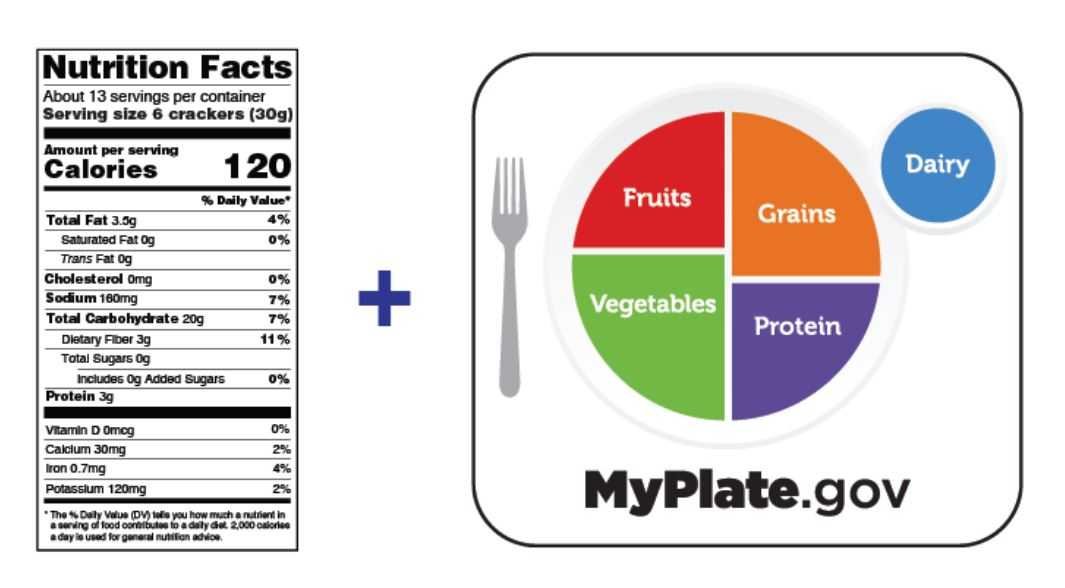
- Actively read food labels to understand serving sizes
- Practice mindful eating by eating slowly and savoring each bite
- Plan meals ahead to control portions and avoid impulsive eating
Using Everyday Items to Measure Portions
Measuring cups, spoons, and food scales can make portion control easier. For example, a standard serving of cooked rice is about half a cup, roughly the size of a half baseball. A palm-sized portion of meat or poultry is approximately 3 ounces, about the size of a deck of cards.
Benefits of Portion Control Beyond Weight Loss
Portion control helps regulate blood sugar levels, especially important for people with diabetes. It also lowers cholesterol levels and blood pressure by reducing intake of unhealthy fats and salt. Maintaining proper portions can improve overall energy and well-being.
The Connection Between Portion Control and Healthy Eating Habits
Consistent portion control encourages mindful eating, which means paying attention to hunger and fullness cues. It fosters a healthier relationship with food, reducing emotional eating and binge eating. Over time, these habits lead to a more balanced diet and improved health.
Foods That Require Portion Consideration
Certain foods can be more calorie-dense and may require stricter portion control. These include junk foods, fried items, sugary snacks, and processed snacks. Vegetables and fruits generally have lower calories, so their portions can often be larger, contributing to satiety.
Importance of Portion Control in Special Diets
People following specific diets, such as low-carb or low-fat plans, benefit from controlling portions to meet their nutritional goals. Portion control supports adherence to dietary restrictions and helps achieve health-related targets.
Role of Hydration and Portion Control
Drinking water before meals can help control hunger and prevent overeating. Sometimes, thirst is mistaken for hunger, leading to larger portions. Staying well-hydrated supports appetite regulation and facilitates digestion.
Portion Control and Meal Planning
Planning meals ahead of time ensures balanced portions across all food groups. Preparing meals in advance helps avoid impulsive eating and ensures portion sizes align with nutritional goals. Meal prep can also help control costs and reduce food waste.
Common Pitfalls and How to Avoid Them
Many people underestimate their serving sizes, leading to overeating. Using oversized plates or bowls can also make portions seem smaller. To combat these issues, use proper measuring tools and serve food in appropriate-sized containers.
Impact of Portion Control on Long-Term Health
Consistently practicing portion control can lead to sustainable weight management and lower risk of diseases such as diabetes, heart disease, and certain cancers. It encourages a lifelong habit of mindful eating, essential for overall well-being.
Incorporating Portion Control into Daily Routine
Start small by adjusting your serving sizes gradually. Use visual cues like comparing portions to everyday objects. Keeping a food diary can also help monitor and improve your portioning habits over time.
Related Topics: Healthy Snacking and Meal Timing
Snacking can often lead to unintentional overeating. Choosing pre-portioned snacks or healthy options like nuts or fruit helps control intake. Additionally, eating at regular times supports better digestion and appetite regulation.
The Role of Education and Awareness
Understanding the importance of portion sizes is key to making smarter food choices. Educating children and adults alike about proper servings promotes healthier habits from a young age. Resources like food labels and nutrition education can be very helpful.
Managing portion sizes is a simple but powerful way to support overall health. By being mindful of how much we eat, we can improve our physical health, happiness, and long-term wellbeing. Small adjustments in daily meals can make a big difference in how we feel and function each day.
Healthy Eating – Portion Control | Dr. Nick Zyrowski
Frequently Asked Questions
How does portion control help prevent overeating during meals?
Controlling portion sizes ensures you eat only what your body needs, which helps prevent consuming excess calories. This mindful approach encourages slower eating, giving your brain time to recognize fullness and reducing the likelihood of overeating.
What role does portion control play in maintaining a healthy weight?
By managing portion sizes, you prevent calorie overload, making it easier to stay within your daily energy requirements. Consistent portion control supports weight management goals and reduces the risk of weight gain over time.
In what ways can portion control contribute to better digestion and energy levels?
Eating moderate portions reduces strain on your digestive system and promotes more efficient digestion. It also helps maintain stable blood sugar levels, providing sustained energy throughout the day without sudden spikes or crashes.
How can portion control aid in establishing balanced nutritional habits?
Controlling portion sizes allows you to include a variety of nutrients from different food groups without exceeding your calorie limits. This balance helps ensure you receive essential vitamins and minerals needed for overall health.
Final Thoughts
Importance of portion control in daily meals is vital for maintaining a balanced diet. It helps prevent overeating and supports weight management.
By controlling portions, you can enjoy a variety of foods without excess calories. This practice promotes better digestion and overall health.
In conclusion, the importance of portion control in daily meals lies in its ability to foster healthy eating habits and prevent health issues. Making mindful choices ensures a sustainable and nutritious lifestyle.
As an Amazon Associate, We earn from qualifying purchases. When you purchase a product through Amazon links on pulsefitguide.com, we may earn a small commission at no extra cost to you. This helps support the site and keep our content free.