

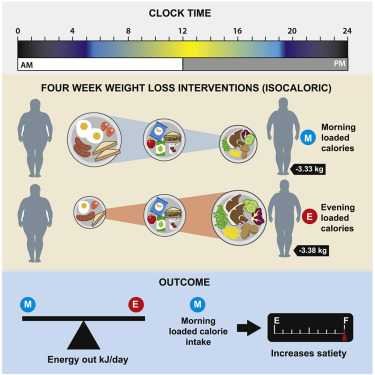
The key to maintaining vibrant energy and a healthy metabolism often lies in the timing of your meals. Eating at the right moments can help optimize digestion, boost energy levels throughout the day, and support weight management. The ideal meal timing involves spreading out your meals evenly, focusing on having a nutritious breakfast to kickstart your day, and avoiding large meals close to bedtime.
In essence, having balanced meals every 3-4 hours keeps your metabolism active and prevents energy dips. Consistency in your eating schedule not only fuels your body more effectively but also helps regulate blood sugar levels, leading to better overall health. So, if you’re aiming for sustained energy and a boosted metabolism, paying attention to when you eat is just as important as what you eat.

Ideal Meal Timing for Energy and Metabolism
Understanding the Importance of Meal Timing
Proper meal timing plays a crucial role in maintaining good energy levels throughout the day. It also influences how your body processes and uses nutrients for energy and repair. Eating at the right times helps regulate blood sugar levels and keeps your metabolism active and efficient.
The Relationship Between Meal Timing and Energy Levels
Consuming meals at consistent intervals helps prevent energy crashes and excessive hunger. Regular eating prevents blood sugar dips that can cause fatigue and irritability. When meals are spaced out appropriately, your body maintains steady energy, improving productivity and mood.
How Metabolism Affects Meal Timing
Metabolism is the process your body uses to convert food into energy. Your metabolic rate fluctuates throughout the day and is influenced by meal timing. Eating at optimal times can boost metabolic activity, leading to better calorie burning and weight management.
Best Times to Eat for Optimal Energy
- Breakfast: Within an hour of waking up, you should eat a nutrient-rich meal to kick-start your metabolism. Include proteins, healthy fats, and complex carbohydrates.
- Mid-morning Snack: About two to three hours after breakfast, a small snack helps sustain energy and prevent overeating at lunch.
- Lunch: Between 12 pm and 1 pm, the largest meal of the day should contain lean proteins, vegetables, and whole grains to fuel your afternoon.
- Afternoon Snack: A light snack around 3 pm to 4 pm helps avoid late-afternoon energy dips.
- Dinner: Eating at least two to three hours before bedtime allows your body to digest properly and promotes better sleep quality.
The Role of the Circadian Rhythm in Meal Timing
Your body’s internal clock, known as the circadian rhythm, influences when your metabolism is most active. Research suggests that aligning meals with natural circadian patterns can improve energy, digestion, and overall health. Eating earlier in the day promotes better glucose regulation and can help weight management.
Impact of Irregular Meal Patterns
Skipping meals or eating at irregular times can cause fluctuations in blood sugar and disrupt metabolic processes. Over time, this may lead to increased fat storage, reduced energy, and difficulties in weight control. Maintaining consistent meal times supports a healthier metabolism.
Benefits of Eating Smaller, More Frequent Meals
Eating smaller meals every three to four hours keeps your metabolism active and stabilizes blood sugar levels. This pattern prevents hunger pangs and overeating, helping you maintain energy levels and manage weight more effectively. It also supports better digestion and nutrient absorption.
Combining Nutrition and Timing for Maximum Benefits
Selecting nutrient-dense foods in your meals enhances their positive effects on energy and metabolism. Incorporate high-quality proteins, fiber-rich carbohydrates, and healthy fats. This combination provides sustained energy, supports muscle maintenance, and optimizes metabolic activity.
Special Considerations for Different Populations
For athletes or highly active individuals, timing meals around workouts can improve performance and recovery. Older adults may need to focus on nutrient-dense meals at specific times to maintain energy and muscle mass. Pregnant women should plan meals to meet increased nutritional demands at regular intervals throughout the day.
Incorporating Hydration and Meal Timing
Remember that hydration is essential for metabolism and energy. Drinking water consistently throughout the day supports digestion and nutrient transport. Some experts suggest drinking a glass of water before meals to aid digestion and prevent overeating.
Practical Tips for Optimizing Meal Timing
- Set regular meal times and stick to them daily.
- Plan your meals ahead to avoid skipping or overeating.
- Choose balanced foods rich in proteins, fiber, and healthy fats.
- Listen to your body’s hunger cues and eat when truly hungry.
- Avoid late-night snacking to support circadian rhythm alignment.
Related Topic: Meal Timing and Weight Management
Proper meal timing can help regulate calorie intake and promote fat loss. Eating earlier in the day enhances metabolism and reduces fat storage. Combining meal timing with a balanced diet creates a sustainable approach for weight control.
Related Topic: Meal Timing for Better Sleep
Eating large or heavy meals right before bed can interfere with sleep quality. Opt for lighter dinners and allow at least two hours for digestion. Good sleep supports metabolic health and overall energy levels.
Summary of Key Points
| Meal | Ideal Time | Best Foods | Purpose |
|---|---|---|---|
| Breakfast | Within an hour of waking | Protein, whole grains, healthy fats | Start metabolism, provide energy |
| Mid-morning Snack | 2-3 hours after breakfast | Fruit, nuts, yogurt | Sustain energy, prevent hunger |
| Lunch | 12 pm – 1 pm | Lean protein, vegetables, whole grains | Fuel afternoon activity |
| Afternoon Snack | 3-4 pm | Hummus, fruits, nuts | Maintain energy levels |
| Dinner | 2-3 hours before bedtime | Light protein, vegetables, healthy fats | Support digestion, sleep quality |
Choosing the right times to eat supports your body’s natural rhythms and keeps your energy stable. Focus on regular, balanced meals aligned with your daily schedule and circadian rhythm. This approach enhances your metabolism and helps you feel more energized throughout the day.
How Meal Timing Boosts Metabolism & Weight Loss
Frequently Asked Questions
How does meal timing influence daily energy levels?
Meal timing plays a significant role in maintaining consistent energy levels throughout the day. Eating at regular intervals helps stabilize blood sugar levels, preventing peaks and crashes that can cause fatigue. Consuming balanced meals every 3 to 4 hours ensures your body continuously receives the nutrients and energy it needs to stay active and alert.
What is the best time to eat breakfast for optimal metabolism?
Eating breakfast within an hour of waking up kick-starts your metabolism and helps regulate your appetite for the rest of the day. A nutritious breakfast rich in protein, healthy fats, and complex carbohydrates can boost your metabolic rate and provide sustained energy, setting a positive tone for your daily activities.
Should I avoid eating late in the evening to support my metabolism?
Consuming large or heavy meals close to bedtime can hinder digestion and disrupt sleep, which may negatively impact your metabolism. Having dinner at least 2-3 hours before sleeping and opting for lighter, nutrient-dense foods can promote better metabolic function and improve overall energy balance.
How can spacing out meals enhance metabolic health?
Spacing meals evenly throughout the day prevents excessive hunger and overeating during one sitting. Regular meal intervals help maintain steady blood sugar levels, support efficient digestion, and keep your metabolic rate active, contributing to better energy management and overall health.
Is there an ideal window for post-workout nutrition to optimize recovery and energy?
Consuming a balanced meal or snack within 30 to 60 minutes after exercise helps replenish glycogen stores and repair muscle tissues. This timing supports faster recovery, sustains energy levels, and enhances metabolic efficiency, especially after intense or prolonged physical activity.
Final Thoughts
Ideal meal timing for energy and metabolism plays a crucial role in maintaining overall health. Eating at regular intervals helps stabilize blood sugar levels, preventing energy dips and cravings. Consuming balanced meals every 3-4 hours ensures sustained energy throughout the day.
A consistent eating schedule supports a healthy metabolism and promotes better digestion. Prioritize breakfast within an hour of waking to set a positive tone for the day.
In summary, the ideal meal timing for energy and metabolism optimizes your daily performance and health. Proper timing keeps energy levels steady and enhances metabolic efficiency.
As an Amazon Associate, We earn from qualifying purchases. When you purchase a product through Amazon links on pulsefitguide.com, we may earn a small commission at no extra cost to you. This helps support the site and keep our content free.