


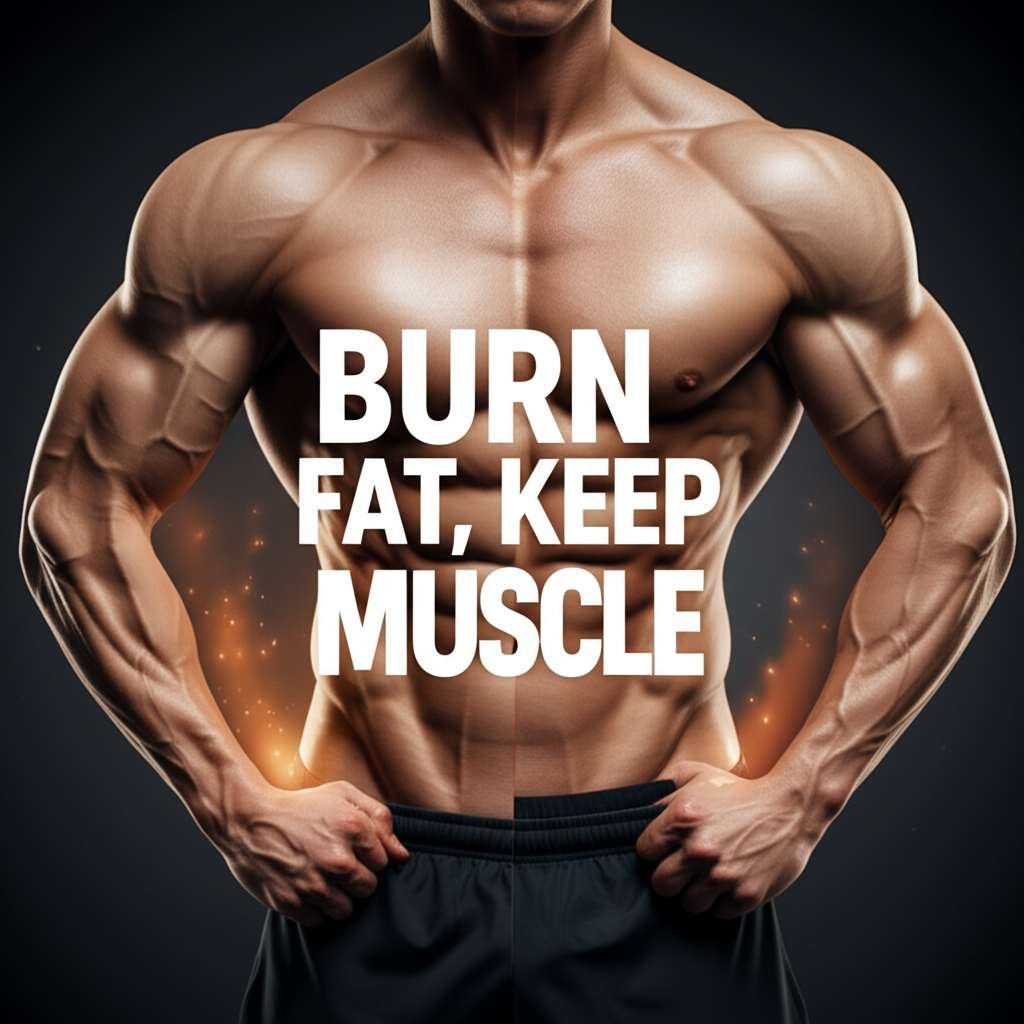
Quick Summary: To make your body burn fat instead of muscle, focus on a balanced diet with enough protein, consistent strength training, and a moderate calorie deficit. This approach signals your body to preserve muscle while tapping into fat stores for energy, leading to sustainable fat loss and improved body composition.
It’s a common frustration: you’re trying to lose weight, but you feel weaker, and your clothes don’t fit quite right, even if the number on the scale is going down. This happens because your body might be burning muscle for energy instead of fat. It’s confusing, but thankfully, it’s preventable!
The good news is that with the right strategies, you can guide your body to become a fat-burning machine while keeping your hard-earned muscle. You don’t need extreme diets or complicated workout plans. We’ll walk through simple, science-backed steps that anyone can follow.
Let’s dive into how you can achieve amazing results by making sure your body prioritizes burning fat, not muscle. We’ll break it all down so you can feel confident and in control of your weight loss journey.
Understanding Why Your Body Might Burn Muscle

Imagine your body as a smart survival machine. When it senses it’s not getting enough fuel (calories), it needs energy to keep running. It can get this energy from two main places: fat stores or muscle tissue.
If you drastically cut calories without providing your body with the right signals, it might decide that muscle is an easier energy source than fat. Muscle is metabolically active, meaning it burns calories even at rest, so your body might try to conserve fat and break down muscle instead, which is counterproductive for long-term health and metabolism.
This is why just eating less isn’t always the best strategy for fat loss. We need to tell our body that there’s plenty of energy available from fat and that preserving muscle is crucial for staying strong and healthy.
The Key Pillars: Nutrition and Exercise
Successfully making your body burn fat instead of muscle relies on two main pillars: what you eat and how you move. These two work hand-in-hand to signal your body to preserve muscle tissue while encouraging it to use fat for fuel.
Think of it like this: nutrition provides the building blocks and energy your body needs, while exercise tells your body how to use that energy and what to prioritize. We’ll explore each of these in detail.
Pillar 1: Smart Nutrition Strategies
What you eat is the foundation of telling your body to burn fat, not muscle. It’s not about starving yourself; it’s about fueling yourself correctly. We need to provide enough nutrients to keep your muscles happy and give your body a clear signal that energy is readily available from fat stores.
1. Prioritize Protein Intake
Protein is like the building material for your muscles. When you’re trying to lose weight, especially by creating a calorie deficit, your body needs adequate protein to prevent muscle breakdown. It also helps you feel fuller for longer, which can reduce overall calorie intake.
Aim to include a source of protein with every meal and snack. This helps maintain muscle mass and supports your metabolism. For beginners, a good starting point is to aim for around 0.7 to 1 gram of protein per pound of your target body weight.
Good protein sources include:
- Lean meats (chicken breast, turkey, lean beef)
- Fish and seafood
- Eggs
- Dairy products (Greek yogurt, cottage cheese, milk)
- Legumes (beans, lentils, chickpeas)
- Tofu and tempeh
- Protein powders (whey, casein, plant-based)
2. Don’t Fear Healthy Fats
Fats are essential for hormone production and nutrient absorption. When you cut fats too low, your body can struggle with essential functions, and it can also make it harder to feel satisfied after meals. Healthy fats can actually help with fat loss by keeping you full and supporting hormonal balance.
Focus on unsaturated fats found in:
- Avocado
- Nuts and seeds (almonds, walnuts, chia seeds, flaxseeds)
- Olive oil
- Fatty fish (salmon, mackerel, sardines)
3. Choose Complex Carbohydrates
Carbohydrates are your body’s primary energy source. Choosing the right kinds of carbs is key. Complex carbohydrates provide sustained energy and are rich in fiber, which aids digestion and helps you feel full.
Limit refined sugars and simple carbs (like white bread, sugary drinks, and pastries) as they can lead to energy crashes and don’t provide lasting satiety. Instead, opt for:
- Whole grains (oats, quinoa, brown rice, whole wheat bread)
- Fruits
- Vegetables (especially non-starchy ones)
- Legumes
4. Create a Moderate Calorie Deficit
To lose fat, you need to consume fewer calories than your body burns. However, this deficit should be moderate, not extreme. A drastic calorie cut can signal your body to break down muscle for energy. Aim for a deficit of around 300-500 calories per day.
This allows for a sustainable weight loss of about 0.5 to 1 pound per week, which is generally considered healthy and more likely to preserve muscle mass. You can estimate your daily calorie needs using online calculators, but remember these are just starting points.
For example, if your body needs 2200 calories to maintain its weight, aiming for 1700-1900 calories per day would create that moderate deficit.
5. Stay Hydrated
Water is crucial for almost every bodily function, including metabolism and nutrient transport. Drinking enough water can help you feel full, boost your metabolism slightly, and ensure your body is functioning optimally for fat burning.
A general guideline is to drink at least 8 glasses (about 2 liters or half a gallon) of water per day, but this can vary based on your activity level, climate, and individual needs. Listen to your body; thirst is a good indicator.
Pillar 2: Strategic Exercise for Muscle Preservation
Exercise plays a vital role in telling your body to burn fat and, crucially, to keep your muscle tissue. While cardio is great for burning calories, strength training is the superhero for preserving and even building muscle.
1. Embrace Strength Training (Resistance Training)
This is arguably the most important type of exercise when your goal is to burn fat instead of muscle. Strength training involves working your muscles against resistance, whether from weights, resistance bands, or your own body weight. This process signals to your body that your muscles are needed and valuable, so it prioritizes keeping them.
When you engage in strength training, you create tiny tears in your muscle fibers. Your body then repairs these tears, making your muscles stronger and larger over time. This increased muscle mass also boosts your metabolism, meaning you burn more calories at rest.
Beginner’s Guide to Strength Training:
- Start with bodyweight exercises: Squats, lunges, push-ups (even on your knees), planks, and glute bridges are excellent starting points.
- Focus on compound movements: These exercises work multiple muscle groups at once, making them very efficient. Examples include squats, deadlifts (with proper form!), overhead presses, and rows.
- Progress gradually: As you get stronger, you can increase the weight, resistance, repetitions, or sets. Don’t be afraid to use dumbbells, barbells, or resistance bands.
- Aim for 2-3 sessions per week: Allow at least one rest day between strength training sessions for your muscles to recover and rebuild.
- Proper form is key: Watch videos, consider a session with a trainer, or start with lighter weights to ensure you’re performing exercises correctly to avoid injury. The National Strength and Conditioning Association (NSCA) offers excellent resources on proper technique.
2. Incorporate Cardiovascular Exercise (Cardio)
Cardio is excellent for burning calories and improving heart health. When done correctly, it can complement your fat-burning goals without sacrificing muscle. The key is moderation and intensity.
While excessive, prolonged cardio, especially in a severe calorie deficit, can potentially lead to muscle loss, moderate cardio is beneficial. Aim for activities like brisk walking, jogging, cycling, swimming, or dancing.
Recommendations for cardio:
- Frequency: Aim for 150 minutes of moderate-intensity cardio or 75 minutes of vigorous-intensity cardio per week, spread across 3-5 days.
- Intensity: Moderate intensity means you can talk but not sing during the activity. Vigorous intensity means you can only say a few words at a time.
- Timing: Consider doing cardio on separate days from your strength training, or at least a few hours apart, to allow your muscles to focus on recovery and growth during strength sessions.
3. Listen to Your Body and Recover
Rest and recovery are just as important as exercise and nutrition. Overtraining can lead to fatigue, injury, and increased stress hormones, which can actually promote fat storage and muscle breakdown. Ensure you’re getting enough sleep (7-9 hours per night) and incorporating rest days into your routine.
Adequate sleep is when your body repairs muscle tissue and regulates hormones that control appetite and metabolism. Don’t underestimate its power in your fat-burning journey!
Putting It All Together: A Sample Plan
To make things clearer, let’s look at how you might structure your week. This is a template, and you should adjust it based on your preferences, schedule, and fitness level.
Sample Weekly Schedule
This plan balances strength training, cardio, and rest to optimize fat burning while preserving muscle.
| Day | Focus | Notes |
|---|---|---|
| Monday | Full Body Strength Training | Focus on compound movements. |
| Tuesday | Moderate Cardio & Active Recovery | e.g., Brisk walk, light cycling, stretching. |
| Wednesday | Rest or Light Activity | Listen to your body; gentle walk or yoga is fine. |
| Thursday | Upper Body Strength Training | Or another full-body session if preferred. |
| Friday | Cardio (Moderate to High Intensity) | Or a different type of cardio than Tuesday. |
| Saturday | Lower Body Strength Training | Or another full-body session. |
| Sunday | Rest & Meal Prep | Focus on recovery and planning for the week ahead. |
Sample Daily Meal Structure
This is an example, focusing on protein and nutrient-dense foods.
- Breakfast: Scrambled eggs with spinach and whole-wheat toast, or Greek yogurt with berries and a sprinkle of nuts.
- Lunch: Grilled chicken or lentil salad with mixed greens, vegetables, and a light vinaigrette, or a large salad with canned tuna and olive oil.
- Dinner: Baked salmon with roasted sweet potatoes and broccoli, or lean ground turkey stir-fry with brown rice and plenty of vegetables.
- Snacks (if needed): Apple slices with almond butter, a handful of almonds, cottage cheese, or a small protein shake.
Common Pitfalls to Avoid
Even with the best intentions, some common mistakes can derail your efforts to burn fat instead of muscle. Being aware of these can help you steer clear of them.
- Extreme Calorie Restriction: As mentioned, eating too little signals your body to conserve energy and can lead to muscle loss.
- Skipping Strength Training: Relying only on cardio means you’re missing out on the primary stimulus for muscle preservation.
- Not Enough Protein: Without sufficient protein, your body has less material to repair and maintain muscle tissue, especially when in a calorie deficit.
- Overtraining: Pushing your body too hard without adequate rest can lead to burnout and muscle breakdown.
- Ignoring Sleep: Poor sleep disrupts hormone balance, hinders muscle recovery, and can increase cravings for unhealthy foods.
- Unrealistic Expectations: Weight loss takes time. Expecting rapid, dramatic changes can lead to discouragement and abandonment of healthy habits.
Frequently Asked Questions (FAQ)
Q1: What are the first signs my body might be burning muscle instead of fat?
A1: You might notice a feeling of weakness or a decrease in strength, even if the scale is dropping. Your body might also feel softer or less firm, even with weight loss. Energy levels might dip significantly.
Q2: Can I lose weight and build muscle at the same time?
A2: For beginners, it’s often possible to achieve “body recomposition,” meaning losing fat and gaining muscle simultaneously, especially when starting strength training. For more experienced individuals, it’s usually more efficient to focus on one goal at a time (fat loss or muscle gain) but maintaining muscle during fat loss is definitely achievable.
Q3: How much protein do I really need if I’m trying to lose fat and keep muscle?
A3: A good target for most people trying to preserve muscle while losing fat is between 0.7 to 1 gram of protein per pound of their target body weight. For example, if you aim to weigh 150 lbs, aim for 105-150 grams of protein daily.
Q4: Is it okay to do cardio every day?
A4: While cardio is great, doing it every single day without adequate rest or varied intensity might hinder muscle recovery and growth. It’s generally better to incorporate rest days or active recovery days, and to balance cardio with strength training.
Q5: How long does it take to see results?
A5: Results vary greatly depending on your starting point, consistency, and how closely you follow your plan. You might start feeling stronger and notice small changes in your body composition within a few weeks. Visible fat loss and significant body recomposition typically take 2-3 months of consistent effort.
Q6: Can I just do bodyweight exercises to build muscle?
A6: Yes, you can build and maintain muscle with bodyweight exercises, especially as a beginner. Exercises like squats, push-ups, lunges, and planks are very effective. As you get stronger, you may need to find ways to increase the challenge, such as doing more repetitions, slower movements, or adding variations.
Q7: What is a “moderate calorie deficit” in practical terms?
A7: A moderate calorie deficit typically means eating about 300-500 calories less than your body needs to maintain its current weight. This usually results in a safe and sustainable weight loss of 0.5 to 1 pound per week, which helps prevent muscle loss.
Conclusion
Making your body burn fat instead of muscle is not a mystical process; it’s a direct result of smart, consistent choices in your nutrition and exercise habits. By prioritizing adequate protein, focusing on complex carbohydrates and healthy fats, and creating a moderate calorie deficit, you provide your body with the fuel it needs.
Crucially, by incorporating regular strength training, you send a powerful signal that your muscle tissue is essential and should be preserved. Adding balanced cardio and ensuring you get enough rest and recovery further supports this process. Remember, this is a journey, and consistency over time is your greatest ally.
You have the power to guide your body towards optimal fat burning while maintaining strength and vitality. Stay patient, stay consistent, and celebrate the progress you make every step of the way!
As an Amazon Associate, We earn from qualifying purchases. When you purchase a product through Amazon links on pulsefitguide.com, we may earn a small commission at no extra cost to you. This helps support the site and keep our content free.
