


Quick Summary: Want your body to burn fat instead of carbs? Focus on consistent exercise and smart eating! We’ll show you simple ways to help your body tap into fat stores for energy, making your weight loss journey easier and more effective. Let’s get started!
Hey there! Feeling a little stuck with your fitness goals? Maybe you’re tired of not seeing the results you want, or you just don’t know where to begin. It’s totally normal to feel that way!
The good news is, helping your body burn fat instead of relying only on carbs isn’t some secret magic trick. It’s all about making smart choices that work with your body. We’re going to break it down into super simple steps.
You’ll learn how to encourage your body to use fat for fuel. This can help you feel more energized and reach your weight loss goals. Ready to discover how to unlock your body’s fat-burning power? Let’s dive in!

Understanding Your Body’s Fuel
Think of your body like a car. It needs fuel to run, right? Your body’s main fuel sources are carbohydrates and fats.
Carbs are like the quick, easy gas. Your body loves to use them first because they’re simple to break down. But when you want to burn fat, you need to teach your body to look for that fat fuel instead.
The “Secret” Isn’t So Secret: It’s About Balance!
The amazing “secret” to making your body burn fat instead of carbs is all about creating a slight shift in how you fuel yourself and how you move. It’s not about starving yourself or doing crazy workouts. It’s about making smart, sustainable changes.
We’ll focus on a few key areas: what you eat, when you eat, and how you exercise. These things work together to tell your body, “Hey, let’s use this stored fat for energy!”
Step 1: Make Smart Food Choices
What you eat plays a HUGE role. You want to eat foods that help your body become more efficient at using fat.
Lower Your Carb Intake (Smartly!)
This doesn’t mean cutting out all carbs! It means choosing the right carbs and eating them in moderation. Think of it as making room for more fat-burning foods.
- Focus on Complex Carbs: These are your whole grains, fruits, and vegetables. They release energy slowly.
- Limit Simple Carbs: These are sugary drinks, white bread, and pastries. They cause quick energy spikes and then crashes.
By reducing the easy-access carbs, your body will naturally start looking for other fuel sources, like fat.
Embrace Healthy Fats
Yes, you read that right! Healthy fats are your friends when you want to burn fat. They help you feel full and satisfied.
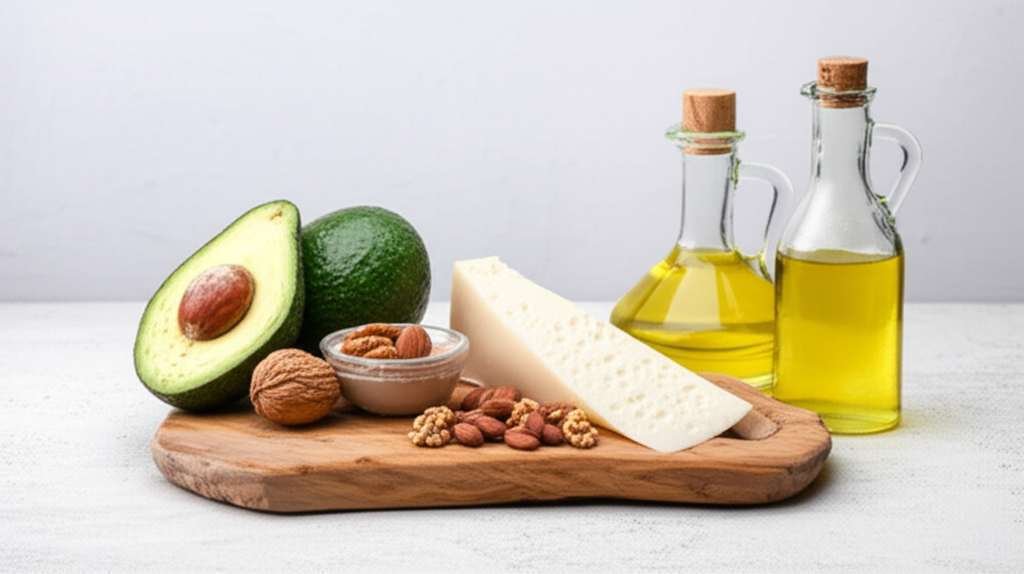
- Avocados
- Nuts and seeds
- Olive oil
- Fatty fish (like salmon)
Including these in your meals helps your body recognize fat as a good energy source.
Don’t Forget Protein!
Protein is super important. It helps build muscle, which burns more calories. It also keeps you feeling full, so you’re less likely to overeat.
- Lean meats
- Fish
- Eggs
- Beans and lentils
- Tofu
Aim to include a protein source in every meal.
Step 2: Move Your Body for Fat Burning
Exercise is key to signaling your body to burn fat. Different types of exercise can help in different ways!
Get Your Heart Pumping with Cardio
Cardio exercises are great for burning calories and improving your overall health. They also help your body get better at using fat for energy.
- Brisk walking
- Jogging
- Cycling
- Swimming
- Dancing
Aim for at least 150 minutes of moderate-intensity cardio per week. That’s about 30 minutes, 5 days a week!
Try High-Intensity Interval Training (HIIT)
HIIT is a game-changer! It involves short bursts of intense exercise followed by brief rest periods. This type of training can be very effective for burning fat, even after your workout is done.
Example HIIT Workout (Do at home!):
- Jumping Jacks: 30 seconds
- Rest: 15 seconds
- High Knees: 30 seconds
- Rest: 15 seconds
- Butt Kicks: 30 seconds
- Rest: 15 seconds
- Squat Jumps: 30 seconds
- Rest: 15 seconds
Repeat this circuit 3-5 times. It’s a quick way to get a powerful workout!
Build Muscle with Strength Training
Muscle is metabolically active, meaning it burns calories even when you’re resting. The more muscle you have, the more fat your body can burn throughout the day.
- Bodyweight exercises like squats, push-ups, and lunges.
- Lifting weights (dumbbells, resistance bands).
Try to do strength training 2-3 times a week. You don’t need to be a bodybuilder; just building a little muscle makes a big difference.
Step 3: Timing and Consistency Matter
When and how often you do things can also influence fat burning.
Consider Your Workout Timing
Some people find that working out in the morning, especially before breakfast, can help their body tap into fat stores. This is because your glycogen (carb stores) might be lower after an overnight fast.
However, the most important thing is to find a time that works for you and that you can stick with consistently. Don’t force yourself to wake up at 5 AM if you’re not a morning person!
The Power of Consistency
The real “secret” is consistency. It’s better to do a little bit of exercise and eat well most days than to do intense workouts sporadically and then give up.
Small, consistent efforts add up over time. Your body will adapt and become better at burning fat when you’re consistent with your healthy habits.
Step 4: Hydration is Key
Drinking enough water is crucial for so many body functions, including metabolism and fat burning.
Water helps transport nutrients, remove waste, and keeps your body running smoothly. Sometimes, thirst can even feel like hunger, so staying hydrated can help you manage your appetite too.
Aim for at least 8 glasses of water a day, and more if you’re exercising or it’s hot!
Let’s Look at Some Examples!
To make things super clear, let’s see how these ideas can look in your week.
Fat-Burning Workouts: A Quick Guide
Here’s a simple breakdown of how different activities can help:
| Workout Type | How It Helps Burn Fat | Beginner Tip |
|---|---|---|
| Cardio (e.g., Brisk Walking) | Burns calories during the activity and improves your body’s ability to use fat over time. | Start with 20-30 minutes, 3-4 times a week. Gradually increase time or frequency. |
| HIIT (e.g., Burpees, Sprints) | Creates an “afterburn effect” where your body continues to burn calories at a higher rate even after the workout is over. | Begin with 1-2 HIIT sessions per week, focusing on 15-20 minutes total. Listen to your body! |
| Strength Training (e.g., Squats, Push-ups) | Builds muscle mass, which increases your resting metabolic rate – meaning you burn more calories 24/7. | Focus on full-body workouts 2-3 times a week. Start with bodyweight exercises. |
Simple Meal Ideas to Support Fat Burning
Fueling your body with the right foods makes a big difference. Here are some easy ideas:
- Breakfast: Scrambled eggs with spinach and a slice of whole-wheat toast. Or, Greek yogurt with berries and a sprinkle of nuts.
- Lunch: A large salad with grilled chicken or salmon, lots of colorful veggies, and an olive oil-based dressing. Or, lentil soup with a side of mixed greens.
- Dinner: Baked chicken or fish with roasted broccoli and sweet potato. Or, a stir-fry with lean beef or tofu and plenty of mixed vegetables.
- Snacks: A handful of almonds, an apple with peanut butter, or some carrot sticks with hummus.
Common Mistakes to Avoid
Even with the best intentions, we can sometimes stumble. Here are a few common pitfalls to watch out for:
- Cutting out ALL carbs: This is usually unsustainable and can leave you feeling tired and deprived. Focus on smart carb choices!
- Not eating enough: Your body needs fuel! Severe calorie restriction can slow down your metabolism.
- Skipping strength training: Muscle is your fat-burning ally. Don’t neglect it!
- Only focusing on the scale: Weight fluctuates. Pay attention to how your clothes fit, your energy levels, and how strong you feel.
- Giving up too soon: Progress takes time. Celebrate small wins and keep going!
Frequently Asked Questions (FAQs)
How long does it take to burn fat?
It varies for everyone! You’ll start to see changes in how your body feels and looks within a few weeks of consistent effort. Real, noticeable results often appear after a few months. Be patient and focus on building healthy habits!
What’s the best time to work out?
The best time is whenever you can consistently do it! For some, morning workouts work best. For others, it’s after work. Find what fits your schedule and energy levels.
Do I need a gym to lose weight?
Absolutely not! You can burn fat and get fit with bodyweight exercises at home, by going for walks or runs outdoors, or using simple equipment like resistance bands. A gym can be helpful, but it’s not required.
How can I stay motivated every day?
Set small, achievable goals. Find a workout buddy. Track your progress and celebrate your successes. Remind yourself why you started! Most importantly, be kind to yourself on days when motivation is low.
What should I eat before or after exercise?
Before: A small, easily digestible snack like a banana or a piece of toast about an hour beforehand can give you energy. After: Focus on a meal or snack with protein and some carbs to help your muscles recover. Think chicken and veggies, or Greek yogurt.
How much water should I drink daily?
A good starting point is about 8 cups (64 ounces) per day. If you exercise a lot or it’s very hot, you’ll need more. Listen to your body; thirst is a sign you need to drink!
How many rest days should I take?
Rest days are super important for muscle repair and preventing burnout. Aim for 1-2 rest days per week. Active recovery, like a gentle walk or stretching, can also be great on rest days.
You’ve Got This!
Making your body burn fat instead of carbs is totally within your reach. It’s about making smart, simple choices consistently. Remember, it’s not about being perfect; it’s about making progress, one healthy meal and one workout at a time.
Keep moving, keep fueling your body with good stuff, and keep that positive attitude going. You’re building a healthier, stronger you, and that’s something to be really proud of!
You’ve got this — one step, one day at a time!
As an Amazon Associate, We earn from qualifying purchases. When you purchase a product through Amazon links on pulsefitguide.com, we may earn a small commission at no extra cost to you. This helps support the site and keep our content free.
