


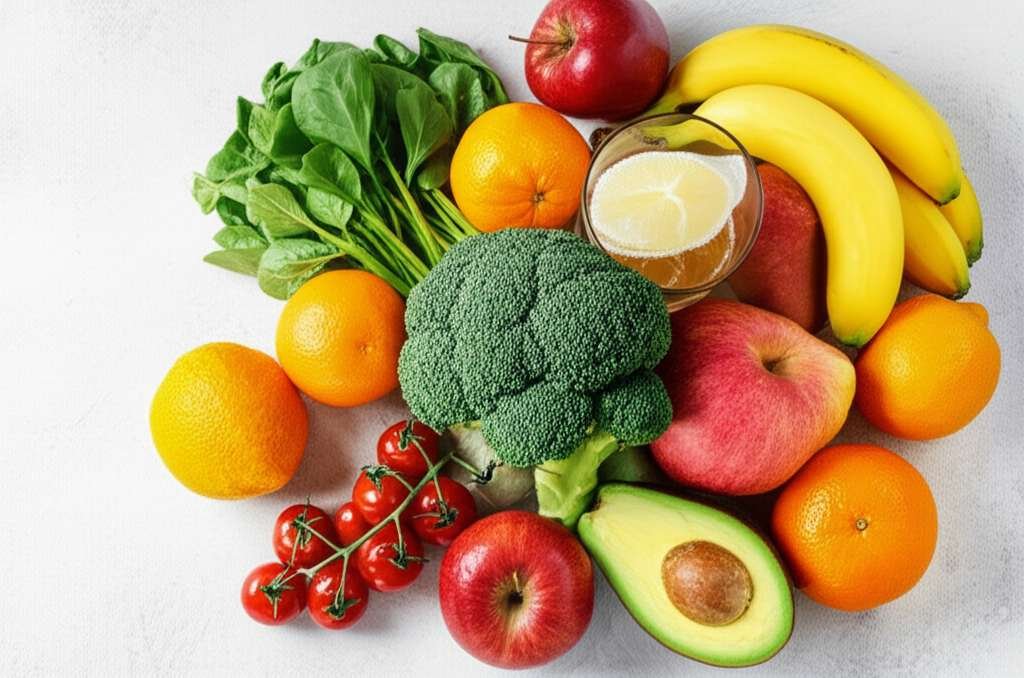
Losing weight with PCOS and menopause is achievable! Focus on balanced nutrition, gentle exercise, stress management, and sleep to regulate hormones and boost metabolism for sustainable results. This guide offers simple, science-backed steps for beginners.
Dealing with weight gain when you have Polycystic Ovary Syndrome (PCOS) and are going through menopause can feel like a double challenge. Hormonal changes from both conditions can make shedding pounds extra tricky.
It’s common to feel frustrated when the scale doesn’t budge, even when you’re trying your best. But you’re not alone, and there are effective, manageable ways to approach this.
This guide is here to break down the process into easy-to-follow steps. We’ll explore how PCOS and menopause impact your weight and provide practical, beginner-friendly strategies to help you achieve your goals.
Understanding PCOS, Menopause, and Weight

Before we dive into the “how-to,” let’s quickly touch on why weight management can be more complex with PCOS and menopause.
What is PCOS?
PCOS is a common hormonal disorder affecting women of reproductive age. One of its key features is an imbalance of reproductive hormones, which can lead to irregular periods, acne, excess hair growth, and challenges with fertility. Insulin resistance is also very common in women with PCOS, meaning your body doesn’t use insulin effectively. This can lead to higher insulin levels, which can signal your ovaries to produce more androgens (male hormones), further disrupting the cycle.
What is Menopause?
Menopause is a natural biological process marking the end of a woman’s reproductive years. It’s officially diagnosed after 12 consecutive months without a menstrual period. During this transition, typically around age 45-55, the body’s production of estrogen and progesterone decreases significantly. This hormonal shift can lead to various symptoms, including hot flashes, mood swings, sleep disturbances, and changes in body composition, often leading to weight gain, particularly around the abdomen.
The PCOS-Menopause Weight Connection
When PCOS and menopause overlap, the hormonal picture becomes even more complex. Both conditions can independently affect metabolism and fat storage. For instance, the insulin resistance often seen with PCOS can be exacerbated by the hormonal shifts during menopause. Lower estrogen levels can also affect how and where your body stores fat, often leading to an increase in abdominal fat, which is harder to lose and linked to health risks.
The combination means that you might find your metabolism slowing down, your appetite changing, and your body becoming more resistant to losing weight. Understanding these underlying factors is the first step to developing a successful strategy.
Step-by-Step Guide: How to Lose Weight with PCOS and Menopause
Let’s get practical! This section provides actionable steps designed for beginners, focusing on sustainable habits rather than quick fixes.
Step 1: Nourish Your Body with a PCOS- and Menopause-Friendly Diet
Food is your foundation. The goal here isn’t restriction, but rather choosing nutrient-dense foods that help manage insulin levels and support hormonal balance.
Focus on Whole, Unprocessed Foods
Prioritize foods that are close to their natural state. These foods are packed with vitamins, minerals, and fiber, which are crucial for managing PCOS and menopause symptoms.
- Lean Proteins: Chicken, fish, turkey, eggs, tofu, beans, and lentils help you feel full and support muscle mass.
- Healthy Fats: Avocados, nuts, seeds, olive oil, and fatty fish (like salmon) are important for hormone production and reducing inflammation.
- Fiber-Rich Carbohydrates: Load up on non-starchy vegetables (leafy greens, broccoli, bell peppers), berries, and whole grains like quinoa and oats. Fiber helps stabilize blood sugar and promotes satiety.
- Low-Glycemic Index (GI) Foods: These foods cause a slower, smaller rise in blood sugar. Examples include most vegetables, beans, lentils, and some fruits like berries and apples.
What to Limit or Avoid
Certain foods can exacerbate inflammation and insulin resistance, making weight loss harder.
- Refined Sugars and Processed Carbs: White bread, pastries, sugary drinks, candy, and most processed snacks can spike blood sugar.
- Unhealthy Fats: Trans fats found in fried foods and some baked goods, and excessive saturated fats can contribute to inflammation.
- Excessive Caffeine and Alcohol: These can disrupt sleep, increase stress hormones, and affect blood sugar levels.
Hydration is Key
Drinking plenty of water is essential. It aids digestion, helps flush out toxins, and can even help manage appetite. Aim for at least 8 glasses (64 ounces) of water per day, and more if you are active.
Step 2: Embrace Gentle, Consistent Movement
Exercise is vital for weight loss, but it’s also crucial for managing PCOS and menopause symptoms by improving insulin sensitivity and reducing stress.
Cardiovascular Exercise
Aim for at least 150 minutes of moderate-intensity aerobic activity per week. This could include brisk walking, cycling, swimming, or dancing.
- Benefits: Improves cardiovascular health, helps burn calories, and can boost mood.
- Beginner Tip: Start with 20-30 minutes, 3-4 times a week, and gradually increase duration and frequency.
Strength Training
Building muscle is incredibly important, especially as you age and during menopause, when muscle mass can decline. Muscle burns more calories at rest than fat.
- Benefits: Increases metabolism, improves body composition, strengthens bones (important for preventing osteoporosis, a risk during menopause).
- Beginner Tip: Start with 2-3 sessions per week, focusing on major muscle groups. You can use bodyweight exercises (squats, lunges, push-ups), resistance bands, or light weights.
- Resource: The Centers for Disease Control and Prevention (CDC) offers adult physical activity guidelines that can help you plan your routine.
Mind-Body Practices
Activities like yoga and Pilates can be excellent for managing stress, improving flexibility, and strengthening your core, which can be beneficial for PCOS and menopause symptoms.
Step 3: Prioritize Sleep and Stress Management
Hormonal imbalances and stress can significantly impact weight. Making sleep and stress reduction a priority can have a profound effect.
The Importance of Sleep
Poor sleep disrupts hormones that control appetite (ghrelin and leptin), leading to increased hunger and cravings for unhealthy foods. It also impacts insulin sensitivity.
- Aim for: 7-9 hours of quality sleep per night.
- Tips for Better Sleep:
- Establish a regular sleep schedule (go to bed and wake up around the same time, even on weekends).
- Create a relaxing bedtime routine (e.g., warm bath, reading, gentle stretching).
- Ensure your bedroom is dark, quiet, and cool.
- Limit screen time before bed.
Managing Stress
Chronic stress leads to elevated cortisol levels, which can promote fat storage, especially around the abdomen, and increase cravings for high-calorie foods.
- Techniques to Try:
- Deep breathing exercises
- Meditation or mindfulness
- Spending time in nature
- Engaging in hobbies you enjoy
- Talking to a friend, family member, or therapist
- Resource: The National Institutes of Health (NIH) provides valuable resources on stress management techniques.
Step 4: Monitor Your Progress and Stay Consistent
Tracking your journey helps you stay motivated and identify what’s working.
What to Track
It’s not just about the number on the scale. Consider tracking:
- Weight: Weigh yourself once a week, at the same time of day, under the same conditions.
- Measurements: Track waist, hip, and thigh measurements monthly. Changes here can indicate fat loss even if the scale isn’t moving much.
- How Your Clothes Fit: A great indicator of body composition changes.
- Energy Levels and Mood: Notice improvements in how you feel.
- Food Intake: Use a journal or app to log meals, which can help you identify patterns and areas for improvement.
Be Patient and Kind to Yourself
Weight loss with PCOS and menopause is a marathon, not a sprint. There will be ups and downs. Celebrate small victories and don’t get discouraged by occasional setbacks.
Focus on building sustainable habits. Consistency over perfection is the key to long-term success.
Sample Meal Plan for a Day
Here’s a sample day of eating that incorporates the principles of a PCOS and menopause-friendly diet. Remember, this is a template; adjust portion sizes and specific foods based on your preferences and needs.
| Meal | Options | Notes |
|---|---|---|
| Breakfast |
|
Focus on protein and fiber to start the day strong and manage blood sugar. |
| Lunch |
|
Include plenty of non-starchy vegetables and lean protein. |
| Snack (Optional) |
|
Choose snacks that combine protein and/or healthy fats to keep you full. |
| Dinner |
|
Prioritize lean protein and a generous portion of non-starchy vegetables. Limit starchy carbs to a moderate portion. |
| Evening (If needed) |
|
Avoid heavy snacks close to bedtime. |
Key Supplements to Consider (Consult Your Doctor!)
While a balanced diet should be your primary focus, certain supplements may offer additional support for PCOS and menopause symptoms. Always consult with your doctor or a registered dietitian before starting any new supplements, as they can interact with medications or may not be suitable for everyone.
Commonly Discussed Supplements:
- Inositol: Often recommended for PCOS, inositol may help improve insulin sensitivity and support ovarian function.
- Omega-3 Fatty Acids: Found in fish oil, these can help reduce inflammation, which is often elevated in both PCOS and menopause.
- Vitamin D: Many women are deficient in Vitamin D, which plays a role in hormone regulation and bone health.
- Magnesium: This mineral is involved in hundreds of bodily processes, including blood sugar control and sleep regulation. It can be helpful for mood swings and sleep disturbances associated with menopause.
- Probiotics: A healthy gut microbiome is linked to better hormone balance and reduced inflammation.
Remember, supplements are meant to complement a healthy lifestyle, not replace it. They can be a valuable tool when used correctly and under professional guidance.
Frequently Asked Questions (FAQ)
Q1: Why is losing weight so hard with PCOS and menopause?
A1: Both PCOS and menopause cause hormonal shifts that can slow your metabolism, increase insulin resistance, and change how your body stores fat, making weight loss more challenging than for others.
Q2: Can I lose weight without strict dieting?
A2: Absolutely! The focus should be on making sustainable, healthy food choices rather than severe restriction. Prioritizing whole foods, lean proteins, healthy fats, and fiber is key.
Q3: How much exercise should I do?
A3: Aim for at least 150 minutes of moderate-intensity cardio per week, plus 2-3 strength training sessions. Start gradually and find activities you enjoy to stay consistent.
Q4: What if I have cravings?
A4: Cravings can be managed by eating regular, balanced meals and snacks. If a craving strikes, try a healthier alternative like fruit with nuts or a small piece of dark chocolate.
Q5: How important is sleep for weight loss in my situation?
A5: Sleep is crucial! Poor sleep disrupts appetite-regulating hormones and can increase stress hormones, both of which hinder weight loss. Aim for 7-9 hours of quality sleep nightly.
Q6: Should I see a doctor or a dietitian?
A6: Yes, consulting a healthcare professional, like a doctor or a registered dietitian, is highly recommended. They can provide personalized advice, help manage your specific symptoms, and ensure your plan is safe and effective.
Conclusion
Navigating weight loss with PCOS and menopause might seem daunting, but it’s entirely within your reach. By understanding the hormonal influences at play and implementing a balanced approach to nutrition, exercise, sleep, and stress management, you can create lasting positive changes.
Focus on nourishing your body with whole foods, moving it in ways that feel good, prioritizing rest, and managing stress. These steps work together to support your hormonal health and boost your metabolism. Remember to be patient and celebrate every small victory along the way. You are capable of achieving your health and weight goals!
As an Amazon Associate, We earn from qualifying purchases. When you purchase a product through Amazon links on pulsefitguide.com, we may earn a small commission at no extra cost to you. This helps support the site and keep our content free.
