


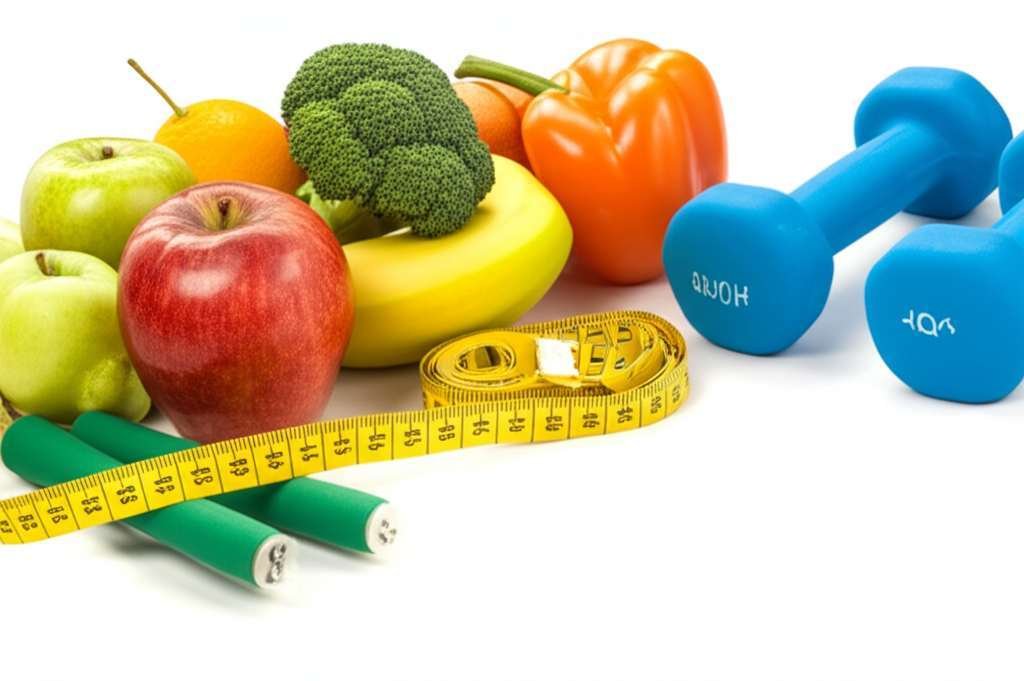
Lose fat effectively by focusing on a calorie deficit through balanced nutrition and consistent activity. Combine whole foods, lean protein, and regular exercise to build sustainable habits for amazing, lasting results.
Feeling confused about losing fat? You’re not alone. Many people find it tricky to know where to start or how to see real progress. It can feel like a puzzle with missing pieces.
But what if I told you it doesn’t have to be complicated? Losing fat effectively is totally achievable with the right approach. It’s about understanding a few key principles and building simple, healthy habits.
This guide will break it all down for you, step-by-step. We’ll cover what really works, in plain English, so you can start seeing amazing results without feeling overwhelmed. Ready to unlock your fat loss potential?

How to Lose Fat Effectively: Your Step-by-Step Guide to Amazing Results
Losing fat effectively is a goal for many, but the journey can seem complex. With so much information out there, it’s easy to get lost in conflicting advice. The truth is, effective fat loss boils down to a few core principles that, when applied consistently, lead to impressive and sustainable results.
As your guide, I’m here to simplify this process for you. We’ll focus on practical, science-backed strategies that are easy to understand and implement, even if you’re just starting out. Think of this as your clear roadmap to shedding unwanted fat and feeling fantastic.
Understanding the Basics: Fat Loss Explained Simply
At its heart, losing fat is about energy balance. Your body uses energy (calories) for everything it does, from breathing to exercising. When you consume more calories than your body uses, it stores the extra energy as fat.
To lose fat, you need to create a calorie deficit. This means your body needs to burn more calories than you consume. When this happens, your body will tap into its stored fat reserves for energy, leading to fat loss.
It’s not about drastic starvation or extreme exercise routines. It’s about making smart, consistent choices that lead to a gradual and healthy reduction in body fat over time. This approach is more sustainable and leads to better long-term results.
The Two Pillars of Effective Fat Loss
Effective fat loss rests on two main pillars: nutrition and physical activity. Both are crucial, and they work best when they work together. Let’s break down how to master each.
Pillar 1: Smart Nutrition for Fat Loss
What you eat plays a huge role in fat loss. It’s not about dieting in the restrictive sense, but about nourishing your body with the right foods in the right amounts. The goal is to create that calorie deficit while still feeling satisfied and energized.
Creating a Calorie Deficit Through Diet
The most straightforward way to create a calorie deficit is by reducing your calorie intake. However, simply eating less can leave you feeling hungry and deprived, making it hard to stick with. Instead, focus on nutrient-dense foods that are lower in calories but high in volume and nutrients.
This means prioritizing whole, unprocessed foods. These foods tend to be more filling and provide essential vitamins and minerals your body needs to function optimally. Think of foods that come from the earth or animals, rather than a factory.
Key Food Groups to Focus On:
- Lean Proteins: These are essential for building and repairing muscle, and they also help you feel full. Examples include chicken breast, turkey, fish, beans, lentils, tofu, and Greek yogurt.
- Vegetables: Load up on non-starchy vegetables like broccoli, spinach, kale, bell peppers, and zucchini. They are low in calories and high in fiber, vitamins, and minerals.
- Fruits: Fruits provide natural sweetness, fiber, and essential nutrients. Berries, apples, and oranges are great choices.
- Healthy Fats: Found in avocados, nuts, seeds, and olive oil, these are important for hormone function and satiety. Consume them in moderation as they are calorie-dense.
- Whole Grains: Opt for brown rice, quinoa, oats, and whole-wheat bread for sustained energy and fiber.
Foods to Limit for Better Results:
- Sugary Drinks: Sodas, juices, and sweetened coffees/teas add a lot of calories without much nutritional value.
- Processed Snacks: Chips, cookies, and pastries are often high in calories, unhealthy fats, and sugar.
- Refined Grains: White bread, white pasta, and white rice offer less fiber and nutrients than their whole-grain counterparts.
- Excessive Saturated and Trans Fats: Found in fried foods, fatty meats, and many processed baked goods.
Hydration is Key
Drinking enough water is vital for fat loss. Water helps with metabolism, can curb appetite, and is essential for overall bodily functions. Aim for at least 8 glasses (about 2 liters) of water per day, and more if you’re exercising or in a warm climate.
Sometimes, thirst can be mistaken for hunger. Staying well-hydrated can help manage your appetite and prevent unnecessary snacking. Make water your primary beverage throughout the day.
Portion Control and Mindful Eating
Even healthy foods have calories. Being mindful of portion sizes is crucial for maintaining a calorie deficit. Use smaller plates, pay attention to serving sizes on packaging, and try to eat slowly.
Mindful eating involves paying attention to your hunger and fullness cues. This helps you recognize when you’re truly hungry and when you’re satisfied, preventing overeating. Avoid distractions like screens while eating.
Pillar 2: Strategic Physical Activity
While diet is paramount for creating a calorie deficit, exercise is a powerful accelerator for fat loss and offers numerous health benefits. It helps burn extra calories, builds muscle, and improves your overall body composition.
The Role of Exercise in Fat Loss
Exercise contributes to your calorie deficit by increasing the number of calories you burn each day. More importantly, building muscle through strength training can boost your metabolism, meaning you burn more calories even at rest. This is a game-changer for long-term fat loss.
Consistency is more important than intensity when you’re starting. Find activities you enjoy so you’re more likely to stick with them. This makes exercise a sustainable part of your lifestyle, not a chore.
Types of Exercise for Fat Loss:
A balanced fitness routine includes both cardiovascular exercise and strength training.
- Cardiovascular Exercise (Cardio): This type of exercise elevates your heart rate and burns calories efficiently. Aim for at least 150 minutes of moderate-intensity cardio or 75 minutes of vigorous-intensity cardio per week.
- Examples: Brisk walking, jogging, cycling, swimming, dancing, hiking.
- Beginner Tip: Start with 30 minutes of brisk walking 3-4 times a week and gradually increase duration or intensity.
- Strength Training: This involves using resistance to build muscle mass. Muscle tissue is metabolically active, meaning it burns more calories than fat tissue. Aim for 2-3 strength training sessions per week, targeting all major muscle groups.
- Examples: Bodyweight exercises (squats, push-ups, lunges), lifting weights, resistance bands.
- Beginner Tip: Start with bodyweight exercises or light dumbbells. Focus on proper form to prevent injury. Consider a beginner-friendly strength training program.
Finding Your Activity Sweet Spot
The best exercise plan is one you can realistically maintain. Don’t try to do too much too soon. Gradually increase the duration, frequency, or intensity of your workouts.
Listen to your body. Rest days are important for muscle recovery and preventing burnout. Aim for a mix of activities that keep you engaged and challenged, but also allow for recovery.
Putting It All Together: A Practical Plan
Now that we understand the pillars, let’s create a practical plan. This isn’t about perfection; it’s about progress and building sustainable habits. We’ll focus on actionable steps you can take starting today.
Step 1: Set Realistic Goals
Before you dive in, define what “amazing results” means to you. Is it a certain number on the scale, how your clothes fit, or feeling more energetic? Set SMART goals: Specific, Measurable, Achievable, Relevant, and Time-bound.
For example, instead of “lose weight,” try “lose 1-2 pounds per week for the next 8 weeks by tracking my food and exercising 4 times a week.” This gives you a clear target and a way to measure success.
Step 2: Plan Your Meals
Meal planning reduces stress and helps you make healthier choices. Dedicate some time each week to plan your meals and snacks. This can involve:
- Choosing a few healthy breakfast, lunch, and dinner recipes you enjoy.
- Prepping ingredients in advance (chopping veggies, cooking grains, portioning proteins).
- Keeping healthy snacks on hand (fruit, nuts, yogurt) to avoid unhealthy impulse buys.
You don’t need to count every calorie if that feels overwhelming. Focus on building balanced plates with lean protein, plenty of vegetables, and a moderate portion of whole grains or healthy fats.
Here’s a simple plate guide:
| Meal Component | Recommended Portion | Examples |
|---|---|---|
| Lean Protein | About 1/4 of your plate | Chicken breast, fish, tofu, beans, lentils |
| Non-Starchy Vegetables | About 1/2 of your plate | Broccoli, spinach, salad greens, bell peppers, carrots |
| Whole Grains/Starchy Veggies | About 1/4 of your plate | Quinoa, brown rice, sweet potato, whole-wheat pasta |
| Healthy Fats | Small amount (added on) | Avocado slices, olive oil dressing, nuts, seeds |
Step 3: Schedule Your Workouts
Treat your workouts like important appointments. Put them in your calendar. If you’re new to exercise, start with 3-4 sessions per week, each lasting 30-45 minutes. Gradually increase as you get fitter.
Mix it up! Combine cardio days with strength training days. On days you’re not doing structured workouts, aim for more general activity like taking the stairs or going for a walk during your lunch break.
Step 4: Track Your Progress (Wisely)
Tracking helps you stay accountable and see what’s working. You can track various aspects:
- Food Intake: Use an app or a journal to log what you eat. This helps you become more aware of your calorie and nutrient intake.
- Exercise: Note down your workouts, including duration, intensity, and any personal records.
- Body Measurements: Beyond the scale, track waist circumference, hip measurements, or how your clothes fit. Sometimes you lose inches before you see a big drop on the scale.
- How You Feel: Note your energy levels, sleep quality, and mood. These are important indicators of progress.
Don’t obsess over daily fluctuations. Focus on trends over weeks and months. If you have a slip-up, it’s okay! Just get back on track with your next meal or workout.
Step 5: Prioritize Sleep and Stress Management
These often-overlooked factors significantly impact fat loss. Poor sleep and high stress can disrupt hormones that regulate appetite and fat storage.
Aim for 7-9 hours of quality sleep per night. Establish a relaxing bedtime routine. For stress management, try deep breathing exercises, meditation, yoga, or spending time in nature. Find what helps you unwind.
Leveraging Tools and Resources
You don’t have to go it alone! Many tools and resources can support your fat loss journey.
- Fitness Trackers: Devices like Fitbit or Apple Watch can help monitor activity levels, heart rate, and sleep patterns, providing valuable data.
- Calorie Tracking Apps: MyFitnessPal, Lose It!, or Cronometer can help you log food intake and understand your nutritional breakdown.
- Recipe Websites and Cookbooks: Look for resources that focus on healthy, whole-food recipes for inspiration.
- Online Fitness Programs: Many websites offer structured workout plans suitable for beginners.
- Professional Guidance: Consider consulting a registered dietitian or a certified personal trainer for personalized advice. The Academy of Nutrition and Dietetics is a great resource for finding qualified professionals.
Common Beginner Pitfalls and How to Avoid Them
It’s easy to fall into common traps when starting out. Being aware of them can help you navigate your journey more smoothly.
Pitfall 1: Expecting Overnight Results
Fat loss is a marathon, not a sprint. Sustainable fat loss typically occurs at a rate of 1-2 pounds per week. Trying to lose weight too quickly can be unhealthy and unsustainable, often leading to rebound weight gain.
Solution: Be patient and focus on long-term lifestyle changes. Celebrate small victories along the way to stay motivated.
Pitfall 2: Cutting Out Entire Food Groups
Eliminating all carbs or fats can be detrimental. Your body needs a balance of macronutrients to function properly. Extreme restriction can lead to nutrient deficiencies and cravings.
Solution: Focus on quality over quantity. Choose whole grains, healthy fats, and lean proteins. Balance your plate rather than demonizing foods.
Pitfall 3: Over-Exercising Too Soon
Jumping into intense, daily workouts can lead to burnout, injury, and exhaustion. Your body needs time to adapt.
Solution: Start gradually. Begin with 3-4 workouts per week and focus on building a solid foundation. Allow for rest days and listen to your body’s signals.
Pitfall 4: Relying Solely on the Scale
The scale doesn’t tell the whole story. Muscle weighs more than fat by volume, and water retention can fluctuate daily. You might be losing fat and gaining muscle, but the scale might not reflect it.
Solution: Use multiple metrics for progress tracking: how your clothes fit, body measurements, energy levels, and fitness performance. See the Centers for Disease Control and Prevention (CDC) for healthy weight loss guidelines.
Pitfall 5: Not Enough Protein or Fiber
Protein and fiber are crucial for satiety, helping you feel full and satisfied, which is key for managing hunger and sticking to a calorie deficit.
Solution: Ensure each meal includes a good source of lean protein and plenty of vegetables or whole grains for fiber. This combination is incredibly effective for appetite control.
A Sample Beginner’s Weekly Plan
Here’s an example of how you might structure your week. Remember to adjust this to fit your personal schedule, preferences, and fitness level.
| Day | Focus | Activity Example | Nutrition Focus |
|---|---|---|---|
| Monday | Strength Training (Full Body) | Squats, push-ups, lunges, planks (3 sets of 10-12 reps) | Balanced meals, lean protein at each meal. |
| Tuesday | Cardio | 30-40 minutes brisk walking or cycling | Plenty of vegetables, focus on hydration. |
| Wednesday | Rest or Active Recovery | Light stretching, gentle yoga, or a short leisurely walk | Mindful eating, moderate portions. |
| Thursday | Strength Training (Full Body) | Dumbbell rows, overhead press, glute bridges, crunches (3 sets of 10-12 reps) | Include healthy fats like avocado or nuts. |
| Friday | Cardio | 30-40 minutes of your choice (dancing, jogging, swimming) | Focus on whole grains and lean proteins. |
| Saturday | Longer Cardio or Activity | 60-minute hike, long bike ride, or sports | Enjoy balanced meals, perhaps a slightly more relaxed approach to snacks. |
| Sunday | Rest & Meal Prep | Light walk or stretching | Prepare meals and snacks for the upcoming week. |
Frequently Asked Questions (FAQ)
Q1: How quickly can I expect to see results?
Realistic results often start showing within 2-4 weeks, but this varies greatly. You might notice changes in energy levels and how your clothes fit sooner. Consistent adherence to your plan is key for visible fat loss over time.
Q2: Do I need to cut out all carbs to lose fat?
No, you don’t need to eliminate carbs. Focus on complex carbohydrates from whole grains, fruits, and vegetables, which provide fiber and essential nutrients. Limit refined carbs like white bread and sugary snacks.
Q3: Is it better to do cardio or strength training for fat loss?
Both are important! Cardio burns calories efficiently, while strength training builds muscle, which boosts your metabolism and helps you burn more calories even at rest. A combination of both is most effective for fat loss and overall health.
Q4: How much water should I drink?
A general guideline is about 8 glasses (2 liters) per day. However, your individual needs may vary based on activity level, climate, and body size. Listen to your body; thirst is a sign you need to drink more.
Q5: What if I have a cheat meal or day? Will it ruin my progress?
One cheat meal or day won’t derail your progress if you maintain consistency the rest of the time. It can even help with adherence by preventing feelings of deprivation. Just get back on track with your next planned meal.
Q6: I’m a student and on a tight budget. How can I lose fat effectively without spending a lot of money?
Focus on affordable whole foods like beans, lentils, oats, rice, seasonal vegetables, and eggs. Utilize bodyweight exercises at home or in a park. Walking is free cardio! Meal prepping can also save money by reducing impulse buys and eating out.
Conclusion
Losing fat effectively is an achievable goal that leads to amazing results, not just in appearance, but in overall health and well-being. It’s about embracing a balanced lifestyle that incorporates smart nutrition and consistent physical activity.
Remember, this journey is personal. Focus on making sustainable changes that you can maintain long-term. Be patient with yourself, celebrate your progress, and don’t be afraid to adjust your plan as needed. You have the power to transform your health and achieve your fat loss goals.
By understanding the principles of energy balance, prioritizing nutrient-dense foods, staying active, and managing stress, you are well on your way to seeing those amazing results you desire. Start small, stay consistent, and trust the process. Your healthier, more confident self awaits!
As an Amazon Associate, We earn from qualifying purchases. When you purchase a product through Amazon links on pulsefitguide.com, we may earn a small commission at no extra cost to you. This helps support the site and keep our content free.
