


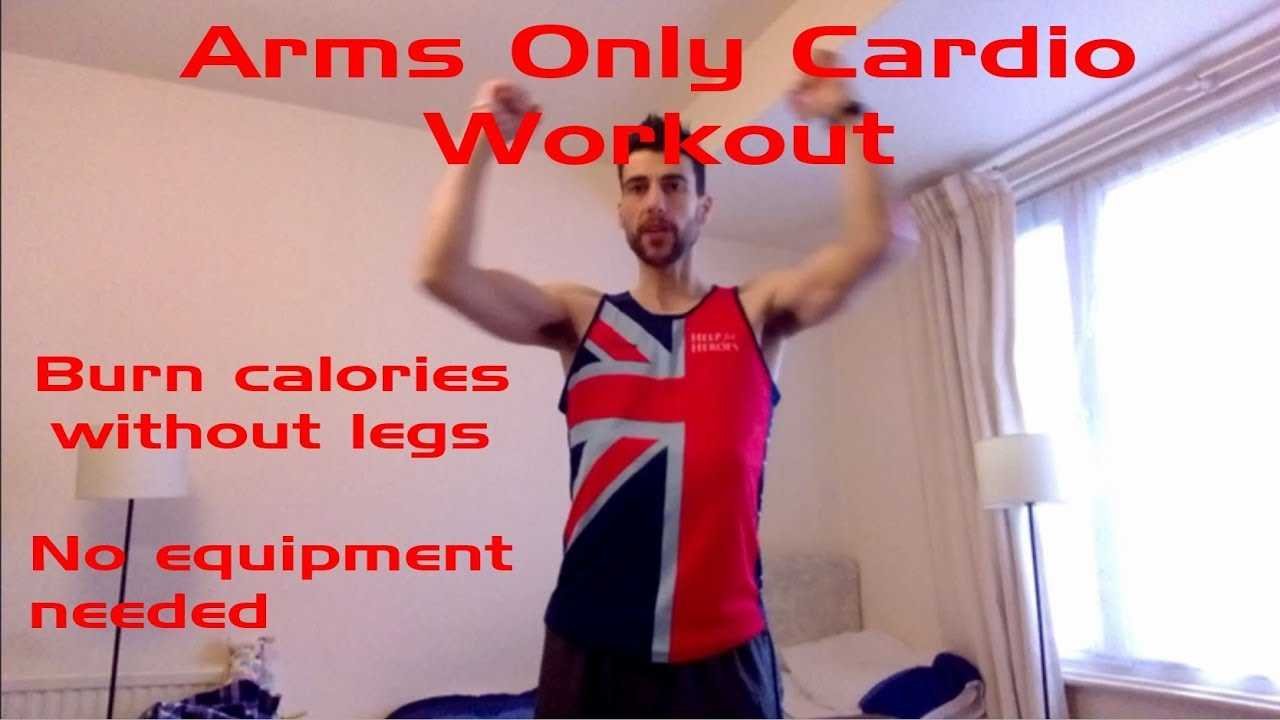
To get your heart pumping without relying on leg movement, consider seated cardio routines like arm cycling, chair aerobics, or using a hand cycle. These exercises boost cardiovascular health while being accessible for those with limited or no leg mobility. With the right adaptations, you can stay active and fit without traditional running or walking.
If you want to do cardio without legs, focus on upper-body exercises that elevate your heart rate. Activities like arm ergometers, seated kickboxing, or even vigorous arm movements in a chair can be effective. It’s all about finding what works for your body and keeping your movement consistent.
Getting your heart rate up without using your legs might seem challenging, but it’s entirely possible with some creative modifications. Whether you’re recovering from an injury, managing a disability, or simply exploring new fitness avenues, there are plenty of ways to stay energized and healthy without traditional leg-based cardio. Seated exercises, hand cycling, and chair aerobics are excellent options that can be tailored to your fitness level, helping you maintain your cardiovascular health comfortably and effectively.

How to Do Cardio Without Legs
Engaging in cardiovascular exercise is important for overall health, but performing cardio without legs can seem challenging. Luckily, there are many ways to stay active and get your heart pumping, even if you cannot use your legs. This section will explore various methods to do cardio without relying on your legs and how to adapt exercises for your situation.
Understanding the Importance of Cardio for Everyone
Cardio workouts improve heart health, boost stamina, and help control weight. They also increase energy levels and promote mental well-being. No matter physical ability, finding suitable cardio options can make a big difference in daily life.
Adapting Cardio Exercises for Upper Body Engagement
If legs are not an option, focus on exercises that target the upper body. These movements can effectively raise your heart rate and provide cardiovascular benefits. Activities like arm cycling, wheelchair sprints, or resistance training can be excellent choices.
Hand Cycles and Arm Ergometers
These machines are designed specifically for upper body cardio workouts. You sit or use a wheelchair and spin the hand pedals to simulate cycling. They are adjustable, allowing you to set the intensity level suitable for your fitness.
Wheelchair Cardio Workouts
For wheelchair users, moving around and performing specific upper body exercises can serve as cardio. Pushing your chair rapidly for short bursts or doing arm circles can get your heart racing. Incorporate various movements to prevent boredom and increase intensity.
Beneficial Cardio Activities for People Without Legs
Besides using specialized equipment, consider these activities to maintain cardiovascular health:
- Seated Aerobic Exercises: Perform rhythmic arm movements, punching, or lifting light weights while seated.
- Resistance Band Exercises: Use resistance bands for upper body strengthening and cardio bursts.
- Promenade in a Wheelchair: Push yourself around the neighborhood or park at a steady or brisk pace.
Incorporating Technology and Adaptive Equipment
Modern technology offers several solutions to facilitate cardio for those who cannot use their legs. Adaptive devices can enhance safety and effectiveness during workouts.
Adaptive Sports and Activities
Join programs such as wheelchair basketball, handcycling races, or adaptive rowing. These sports combine fun with effective cardio training and help build community connection.
Use of Virtual Reality and Apps
Virtual reality fitness apps can simulate activities like rowing or cycling, providing immersive and engaging cardio options. Many apps offer guided routines tailored to individual needs and abilities.
Setting Goals and Creating a Routine
Establishing clear, achievable goals is essential for maintaining motivation. Incorporate variety into your routine to prevent plateaus and keep workouts interesting.
Sample Weekly Cardio Plan Without Legs
| Day | Activity | Duration |
|---|---|---|
| Monday | Hand cycling intervals | 30 minutes |
| Wednesday | Seated aerobics and resistance bands | 45 minutes |
| Friday | Wheelchair sprints or brisk pushes | 20 minutes |
| Sunday | Virtual reality cardio session | 30 minutes |
Safety Tips for Cardio Without Legs
Always listen to your body and avoid overexertion. Ensure your wheelchair or equipment is in good condition to prevent injuries. It is also advisable to consult with a healthcare provider before starting any new exercise regimen.
Additional Tips to Maximize Your Cardio Workouts
- Maintain Proper Posture: Sit upright to prevent strain and improve breathing.
- Monitor Heart Rate: Use a heart rate monitor to keep your exertion within safe limits.
- Stay Hydrated: Drink plenty of water before, during, and after your workout.
- Warm Up and Cool Down: Always prepare your body with light movements and stretch afterward to prevent soreness.
Benefits of Doing Cardio Without Legs
Engaging in cardio without legs offers numerous advantages. It improves upper body strength and endurance, enhances cardiovascular health, and boosts mental health through physical activity. Additionally, it helps maintain independence and promotes an active lifestyle regardless of physical limitations.
Overcoming Challenges and Staying Motivated
It’s normal to face challenges, but setting small goals and tracking progress can keep you motivated. Find activities you enjoy and consider joining support groups or fitness classes for encouragement. Remember, consistency is key to long-term benefits.
Related Topics for Further Exploration
- Adaptive Sports for People with Limited Mobility
- Nutrition and Exercise: Supporting Cardio Workouts
- Mental Health Benefits of Regular Physical Activity
- Building a Supportive Community for Adaptive Fitness
Maintaining cardiovascular health without the use of legs is entirely possible with the right adaptations and commitment. Focus on upper body exercises, utilize available technology, and stay consistent with your routine. Remember, a proactive approach to fitness can lead to a healthier, more energetic life.
Frequently Asked Questions
What are some effective seated cardio exercises for individuals without the use of legs?
Seated cardio exercises like fast arm circles, seated punches, and chair marching help increase your heart rate without involving your legs. You can also incorporate seated jumping jacks or high-energy arm raises to enhance cardiovascular health while staying seated. These exercises are effective because they keep your upper body active, promoting circulation and endurance.
How can I modify cardio routines to fit my upper-body limitations?
Focus on exercises that emphasize upper-body movements such as wheelchair sprints, arm bike workouts, or resistance band cardio routines. You can also perform punching combinations or seated dance routines that keep your arms moving vigorously. Adjust the intensity and duration based on your fitness level to avoid overexertion while maximizing cardiovascular benefits.
What equipment can assist in cardio workouts for individuals without legs?
Using hand cycles, resistance bands, or light dumbbells can help intensify your cardio sessions. Hand cycles are particularly effective as they mimic cycling motion using your arms, providing a consistent cardiovascular workout. Resistance bands can add challenge to arm movements, making your routines more engaging and effective.
Are there specific safety precautions I should take during seated cardio exercises?
Make sure your chair or seat offers stability and support. Warm up before starting to prepare your muscles and prevent injury. Keep your movements controlled, stay hydrated, and listen to your body. If you experience any pain or discomfort, stop exercising immediately and consult a healthcare professional if needed.
How can I incorporate interval training into my seated cardio routine?
Alternate between high-intensity movements like rapid arm punches or fast arm circles and lower-intensity recovery periods such as slow arm raises or rest. For example, perform fast arm movements for 30 seconds, then slow down for 30 seconds, repeating several rounds. This approach boosts cardiovascular endurance and makes your workouts more dynamic.
Final Thoughts
To do cardio without legs, focus on upper body exercises like arm cycling, seated boxing, or resistance band workouts. Use specialized equipment to keep your heart rate high while staying seated. Incorporate these activities into your routine regularly for the best results.
Practicing these methods keeps you active and helps improve cardiovascular health without relying on leg movement. Remember, consistent effort makes a difference.
In conclusion, understanding how to do cardio without legs empowers you to stay fit and healthy. These options provide effective ways to maintain your fitness in any situation.
As an Amazon Associate, We earn from qualifying purchases. When you purchase a product through Amazon links on pulsefitguide.com, we may earn a small commission at no extra cost to you. This helps support the site and keep our content free.
