



Walking 1 hour a day can lead to amazing weight loss results! You can expect to burn around 300-500 calories per hour, which adds up fast to help you shed pounds and feel fantastic. Let’s get moving!
Hey there, fitness friends! Feeling a bit tired lately? Or maybe you’re just not sure where to begin with getting healthier? I get it. It can feel overwhelming trying to figure out the “best” way to lose weight. But guess what? It doesn’t have to be complicated!
Today, we’re diving into something super simple and incredibly effective: walking. Yep, just putting one foot in front of the other can make a huge difference. We’re going to break down exactly how much weight you can lose by walking for just one hour a day. Get ready to be inspired!
We’ll look at how many calories you burn, how to make your walks even more powerful, and how this simple habit can change your body and your mood. Stick around, and let’s make fitness feel fun and totally doable!

How Many Calories Does Walking Really Burn?
So, you’re curious about the magic behind walking and weight loss? It all comes down to calories! Think of calories like little energy units. When you move, you use up those units.
Walking is a fantastic way to burn calories without feeling like you’re punishing yourself. It’s a low-impact exercise that almost anyone can do. The exact number of calories you burn depends on a few things, like your weight and how fast you’re walking.
But here’s the exciting part: walking for 1 hour a day can significantly contribute to your weight loss goals. It’s a steady, reliable way to create a calorie deficit, which is key for shedding those extra pounds.
The Power of a 1-Hour Walk: What to Expect
Let’s get to the juicy details: how much weight can you actually lose by walking for an hour every single day? It’s not magic, it’s math, and it’s exciting math!
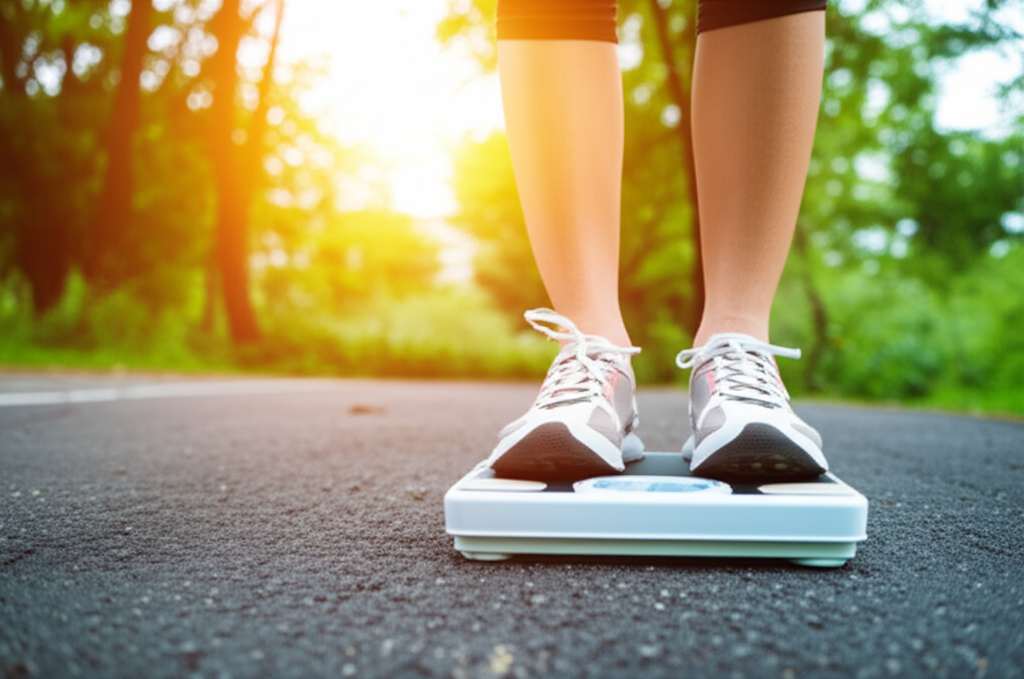
As a general rule, walking burns about 300 to 500 calories per hour. This number can be higher if you weigh more or if you pick up the pace. Let’s do some quick math:
| Activity | Calories Burned Per Hour (approx.) |
|---|---|
| Brisk Walking (3.5 mph) | 300-400 calories |
| Power Walking (4.5 mph) | 400-500 calories |
| Walking Uphill/Intervals | 500+ calories |
To lose one pound of fat, you need to burn roughly 3,500 calories more than you consume. If you’re burning an extra 300-500 calories a day just by walking, imagine what happens over a week!
In just one week, you could burn an extra 2,100 to 3,500 calories. This means you could potentially lose between 0.6 to 1 pound per week from walking alone! That might not sound like a lot, but remember, consistency is key. Those small losses add up to big, sustainable results over time.
Making Your Walks Even More Effective
Walking is great as it is, but we can totally boost its fat-burning power! Think of it as adding some extra oomph to your stroll. You don’t need to run a marathon; small changes make a big difference.
Here are some super simple ways to make your 1-hour walk work even harder for you:
- Pick up the Pace: Instead of a leisurely stroll, aim for a brisk walk. You should be able to talk, but not sing. This means your heart rate goes up, and so does your calorie burn!
- Add Inclines: If you have hills in your neighborhood, use them! Walking uphill is like a mini-workout for your legs and burns way more calories than walking on flat ground. Even a treadmill with an incline setting works wonders.
- Incorporate Intervals: This is a game-changer! Mix up your walking pace. Walk fast for 1-2 minutes, then slow down for a minute to recover. Repeat this throughout your hour. This “burst” training really gets your metabolism going.
- Add Some Arm Power: Swing your arms! This uses more muscles and helps you burn more calories. Think of it like you’re marching with purpose.
- Listen to Music or Podcasts: Sometimes, a good beat or an interesting story can make time fly and push you to walk longer or faster without even realizing it.
Beyond the Walk: Fueling Your Fat Loss
Walking is a fantastic tool, but remember, weight loss is a team effort. What you eat plays a huge role too! Think of your walk as your workout buddy, and healthy eating as your support crew.
You don’t need to go on a crazy diet. Just making smarter food choices can amplify your results. Here are some easy ideas:
Simple Meal Ideas to Support Your Goals:
- Breakfast: Oatmeal with berries and a sprinkle of nuts. Or scrambled eggs with spinach.
- Lunch: A big salad with grilled chicken or beans, loaded with colorful veggies. A whole-wheat sandwich with lean turkey and lots of greens.
- Dinner: Baked salmon with roasted broccoli. Lentil soup with a side of whole-grain bread. Chicken stir-fry packed with vegetables.
- Snacks: An apple with a spoonful of peanut butter. A handful of almonds. Greek yogurt with a few berries.
The goal is to eat foods that keep you full and energized without a ton of extra calories. Focus on lean proteins, healthy fats, fruits, and veggies. And don’t forget to drink plenty of water throughout the day!
Building a Daily Walking Routine
Making walking a habit is the secret sauce. It’s not about doing it perfectly every day, but about showing up most days. Let’s build a routine that fits into your life.
Your Step-by-Step Walking Plan:
- Start Small (If Needed): If 1 hour feels like too much right now, begin with 20-30 minutes. Gradually increase your time as you get fitter and more comfortable.
- Schedule It: Treat your walk like an important appointment. Block out the time in your calendar. Morning walks can set a positive tone for your day. Evening walks can help you unwind.
- Find Your Tribe: Walking with a friend, family member, or even a dog can make it more fun and keep you accountable.
- Vary Your Route: Explore new parks, neighborhoods, or trails to keep things interesting and prevent boredom.
- Track Your Progress: Use a fitness tracker or a simple notebook to log your walks. Seeing how far you’ve come is super motivating!
Common Mistakes to Avoid
We all make mistakes when we start something new, and that’s totally okay! But being aware of common pitfalls can help you stay on track and see better results. Let’s dodge these common walking blunders:
- Walking Too Slowly: If your walk feels like a casual stroll through the park every time, you might not be burning as many calories as you could be. Aim for a brisk pace most of the time.
- Ignoring Your Diet: You can’t out-walk a bad diet. Remember to pair your walking with healthy eating habits for the best weight loss results.
- Not Staying Hydrated: Dehydration can make you feel tired and less motivated. Drink water before, during, and after your walks.
- Wearing the Wrong Shoes: Good walking shoes are essential! They provide support and cushioning, preventing blisters and foot pain that can derail your efforts.
- Expecting Overnight Results: Weight loss is a journey, not a race. Be patient with yourself and celebrate the small wins.
Sample Weekly Walking Plan
Here’s a simple way to structure your walking week. Remember, this is just a template – feel free to adjust it to fit your schedule and energy levels!
| Day | Focus | Duration | Notes |
|---|---|---|---|
| Monday | Brisk Walk | 60 minutes | Steady pace, focus on consistent effort. |
| Tuesday | Interval Walk | 60 minutes | Alternate 2 minutes fast walking with 1 minute recovery. |
| Wednesday | Active Recovery / Light Walk | 30-45 minutes | Gentle pace, focus on enjoying the movement. |
| Thursday | Incline Walk | 60 minutes | Find hills or use treadmill incline. |
| Friday | Brisk Walk with Arm Swings | 60 minutes | Focus on engaging your upper body. |
| Saturday | Longer, Leisurely Walk | 75-90 minutes | Explore a new park or trail. |
| Sunday | Rest or Light Activity | Optional | Listen to your body. Gentle stretching is great! |
Your Progress Tracker Example
Keeping track of your progress can be super motivating! It shows you how far you’ve come. Here’s a simple way to log your weekly achievements.
| Week | Total Walking Time (Hours) | Estimated Calories Burned | Weight Change (lbs) | Notes / How I Felt |
|---|---|---|---|---|
| 1 | 7.0 | ~2450 | -0.5 | Felt a bit tired but good! Enjoyed the morning walks. |
| 2 | 7.5 | ~2700 | -1.0 | More energy! Started adding some hills. |
| 3 | 7.0 | ~2600 | -0.8 | Felt stronger. The interval walks are challenging but rewarding. |
| 4 | 8.0 | ~3000 | -1.2 | Feeling great! Clothes are fitting better. |
Remember, the number on the scale isn’t the only sign of progress. How you feel, your energy levels, and how your clothes fit are all important indicators of success!
Frequently Asked Questions About Walking for Weight Loss
Got more questions? That’s awesome! It means you’re thinking about how to make this work for you. Here are some common things beginners wonder about:
How Long Does It Take to Burn Fat?
Fat burning is a process that happens over time. When you consistently create a calorie deficit through walking and healthy eating, your body starts using stored fat for energy. You’ll begin to see changes in weeks, not days, and significant results usually take a few months of consistent effort. Be patient!
What’s the Best Time to Work Out?
The best time is whenever you can make it happen consistently! For some, that’s first thing in the morning to get it done. For others, an afternoon walk can be a great energy boost, or an evening walk can help you relax. Find what works best for your schedule and energy levels.
Do I Need a Gym to Lose Weight?
Absolutely not! Walking is a powerful tool you can use anywhere, anytime. You don’t need fancy equipment or a gym membership to get great results. Your own two feet are all you need to start!
How Can I Stay Motivated Every Day?
Motivation can be tricky! Try setting small, achievable goals. Reward yourself for hitting milestones (not with food!). Find a walking buddy for accountability. Mix up your routes and listen to fun music or podcasts. And remember why you started – for a healthier, happier you!
What Should I Eat Before or After Exercise?
Before a walk, especially a longer one, a small snack like a banana or a handful of crackers can give you energy. After your walk, focus on a meal or snack that includes protein and carbohydrates to help your muscles recover, like Greek yogurt or a turkey sandwich.
How Much Water Should I Drink Daily?
Aim for at least 8 cups (about 2 liters) of water per day. You might need more if you’re sweating a lot during your walks or in hot weather. Water is super important for keeping your body functioning well and helping with weight loss!
How Many Rest Days Should I Take?
Rest is crucial for muscle recovery and preventing burnout. While you can walk almost every day, consider having 1-2 days per week for active recovery (like a very light walk or stretching) or complete rest. Listen to your body – if you’re feeling overly tired or sore, take an extra rest day.
Your Walking Journey Starts Now!
See? Losing weight and getting fitter doesn’t have to be a mystery. Walking for just one hour a day is a simple, powerful, and totally achievable way to make a real difference in your health and your body.
Remember, every step you take counts. It’s about progress, not perfection. You’re building healthy habits that will serve you for a lifetime. So lace up those shoes, step outside, and enjoy the journey!
You’ve got this – one step, one day at a time!
As an Amazon Associate, We earn from qualifying purchases. When you purchase a product through Amazon links on pulsefitguide.com, we may earn a small commission at no extra cost to you. This helps support the site and keep our content free.
