



Get ready to unlock your fat-burning potential! Ketosis can help you burn fat faster, but it’s not magic. Let’s learn how to make it work for YOU with simple steps and amazing results!
Hey there, fitness friend! Feeling a little tired lately, or maybe just unsure where to begin on your fitness journey? It’s totally okay! We’ve all been there. Starting something new can feel a bit overwhelming, right? But guess what? It doesn’t have to be! I’m here to show you how to make burning fat and feeling amazing super simple and fun. We’ll break it down step-by-step, so you’ll know exactly what to do. Ready to feel more energized and confident? Let’s dive in and discover how you can boost your fat-burning power!
What’s the Ketosis Secret?
So, what exactly is ketosis, and why are people talking about it for fat burning? Think of your body like a car. Normally, it runs on gasoline (that’s usually carbs from food). When you eat a lot of carbs, your body uses that for energy.
But what happens if you take away the gasoline? Your car needs another fuel source. That’s where fat comes in!
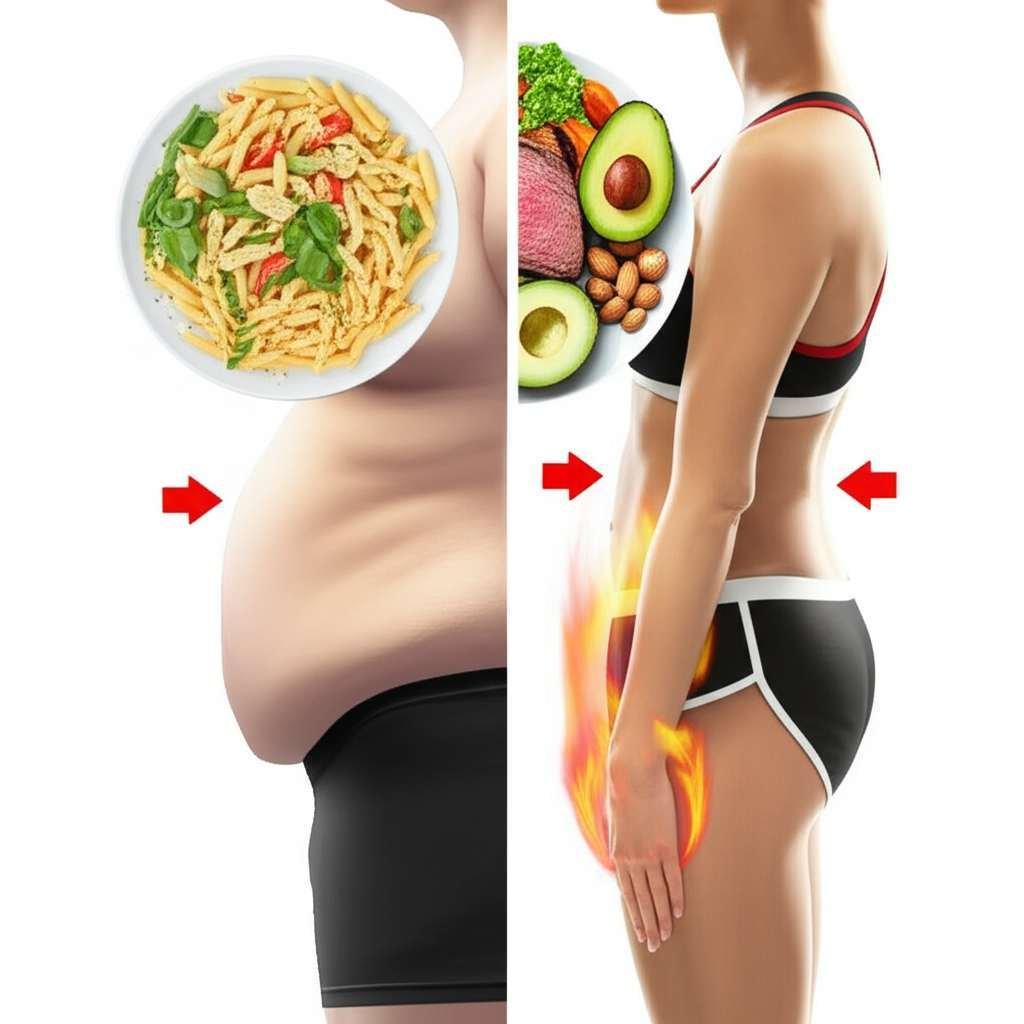
When you eat very few carbs, your body starts to use stored fat for energy instead. This state is called ketosis. It’s like switching your car’s fuel from gasoline to a super-efficient, long-lasting energy source: your own body fat!
How Much Faster Can You Burn Fat in Ketosis?
This is the million-dollar question, right? The truth is, there’s no single magic number for everyone. Your results will be unique! But generally, when you’re in ketosis, your body becomes a fat-burning machine.
Your Body Becomes a Fat-Burning Furnace
Normally, your body prefers to burn carbs for energy. It’s the easiest fuel for it to access. But when carbs are scarce (like on a ketogenic diet), your body has to get creative. It starts breaking down fat for fuel. This process is called ketogenesis. Your liver produces ketones, which your body then uses for energy. This means your body is tapping into your fat stores much more readily than before!
The “Fuel Switch” Advantage
Imagine your body having two fuel tanks: one for carbs and one for fat. When you’re eating a standard diet, you’re mostly running on the carb tank. Once that’s low, you might start dipping into the fat tank. But on a keto diet, you’re intentionally emptying the carb tank and forcing your body to rely heavily on the fat tank. This “fuel switch” can lead to a significant increase in fat burning because your body’s primary energy source becomes fat.

It’s Not Just About Diet
While diet is the main driver for getting into ketosis, exercise plays a HUGE role in how much fat you burn while in ketosis. When you combine a well-formulated ketogenic diet with consistent physical activity, you can really supercharge your results. Your body is already primed to burn fat, and exercise just asks it to burn even more!
Getting Into Ketosis: The Simple Steps
Ready to make that fuel switch? It’s easier than you think. Here’s how to get your body into that fat-burning state:
Step 1: Dramatically Cut Your Carbs
This is the most important step. You need to lower your carb intake significantly. Most people aim for around 20-50 grams of net carbs per day. Net carbs are total carbs minus fiber. So, if a food has 10g of carbs and 5g of fiber, it has 5g of net carbs.
Step 2: Increase Healthy Fats
Since you’re cutting carbs, you need to replace those calories with healthy fats. This keeps you feeling full and satisfied. Think avocados, olive oil, nuts, seeds, fatty fish, and full-fat dairy (if you tolerate it).
Step 3: Get Enough Protein
Protein is crucial for muscle health. You don’t want to eat too much protein on keto, as your body can convert it to glucose (carbs), which can kick you out of ketosis. Aim for a moderate amount, usually around 0.7 to 1 gram per pound of your target body weight.
Step 4: Stay Hydrated and Add Salt!
When you cut carbs, your body sheds water. This can make you feel a bit sluggish at first, sometimes called the “keto flu.” Drink plenty of water! Also, add a good pinch of salt to your water or food. Electrolytes (like sodium, potassium, and magnesium) are super important when you start keto.
Step 5: Be Patient and Consistent
It can take a few days to a week to get into ketosis. Don’t get discouraged if you don’t see results immediately. Stick with it! Consistency is key.
Fat-Burning Workouts to Boost Ketosis
Once you’re in ketosis, certain workouts can help you burn even more fat. They work by using up stored energy and signaling your body to keep burning fat for fuel.
High-Intensity Interval Training (HIIT)
HIIT is fantastic! It involves short bursts of intense exercise followed by brief recovery periods. This type of training burns a lot of calories in a short time and can keep your metabolism revved up long after your workout is done. Your body becomes super efficient at using fat for energy during these intense bursts.
Steady-State Cardio
Don’t underestimate good old cardio! Activities like brisk walking, jogging, cycling, or swimming done at a moderate pace for a longer duration are great. When your body is in ketosis, it’s already good at using fat for fuel during these steady workouts. You’re essentially giving it a longer runway to tap into those fat stores.
Strength Training
Lifting weights is a fat-burning superpower! Building muscle increases your resting metabolic rate. This means you burn more calories even when you’re just sitting around. Plus, your body will use fat for fuel as it repairs and builds muscle after your workouts. It also helps you maintain lean muscle mass, which is vital for long-term health and metabolism.
Workout Comparison for Fat Burning
| Workout Type | How it Helps Burn Fat in Ketosis | Example Activities | Best For |
|---|---|---|---|
| HIIT | High calorie burn in short time, boosts metabolism post-workout, teaches body to use fat for quick energy. | Sprints, burpees, jump squats, mountain climbers | Quick, intense fat burn, improving cardiovascular fitness. |
| Steady-State Cardio | Uses fat as primary fuel source for sustained energy, improves endurance. | Brisk walking, jogging, cycling, swimming, elliptical | Longer fat burn sessions, building stamina. |
| Strength Training | Builds muscle (burns more calories at rest), improves body composition, enhances fat metabolism. | Weightlifting, bodyweight exercises (push-ups, squats), resistance bands | Boosting metabolism, toning up, preserving muscle. |
Simple Keto Meal Ideas to Fuel Your Fat Burn
Eating the right foods is key to staying in ketosis and feeling great. Here are some easy ideas:
Breakfast Ideas:
- Scrambled eggs with spinach and avocado
- Bacon and eggs
- Keto smoothie with berries, almond milk, and a scoop of protein powder
- Full-fat Greek yogurt with a few berries and nuts
Lunch Ideas:
- Big salad with grilled chicken or salmon, leafy greens, and olive oil dressing
- Tuna salad (made with mayo) served in lettuce cups
- Leftover dinner
- Chicken or beef stir-fry with low-carb veggies (like broccoli, bell peppers, zucchini)
Dinner Ideas:
- Baked salmon with asparagus
- Steak with a side of cauliflower mash
- Chicken thighs roasted with herbs and served with a green salad
- Pork chops with sauteed mushrooms and onions
Snack Ideas:
- Handful of almonds or macadamia nuts
- Cheese sticks
- Hard-boiled eggs
- Celery sticks with cream cheese or almond butter
- Olives
Common Mistakes to Avoid on Your Keto Journey
It’s easy to stumble when you’re starting something new. Here are a few common pitfalls to watch out for:
- Eating Too Many Carbs: Even a few extra grams can kick you out of ketosis. Always check food labels!
- Not Enough Fat: If you cut carbs but don’t replace them with healthy fats, you’ll feel hungry and tired. Fat is your friend on keto!
- Forgetting Electrolytes: Low sodium, potassium, or magnesium can lead to the dreaded keto flu. Drink bone broth, add salt, and eat potassium-rich keto foods like spinach and avocado.
- Not Drinking Enough Water: Hydration is key for energy and flushing out toxins. Aim for at least 8 glasses a day.
- Overdoing Protein: Too much protein can be converted to glucose, hindering ketosis. Stick to moderate amounts.
- Giving Up Too Soon: The initial “keto flu” can be rough for some. Stick with it for a week or two, and your body will adjust.
Your Simple Keto-Friendly Daily Routine
Making ketosis a part of your day can be simple. Here’s a sample routine:
Morning:
- Wake up and drink a big glass of water, maybe with some added salt.
- Enjoy a keto-friendly breakfast (like eggs and avocado).
- If you exercise in the morning, fuel your body with what you need.
Midday:
- Have a satisfying keto lunch (like a big salad with protein).
- Stay hydrated throughout the day.
- Consider a short walk or some stretching if you’ve been sitting for a while.
Evening:
- Prepare a delicious keto dinner.
- Wind down your day – maybe read a book or do some light stretching.
- Avoid heavy workouts right before bed.
Frequently Asked Questions (FAQs)
Got questions? I’ve got answers! Let’s clear up some common beginner worries.
How long does it take to burn fat in ketosis?
Ketosis helps your body become more efficient at burning fat. You can start burning fat from day one once you’re in ketosis! The amount you burn depends on your diet, exercise, and metabolism. Be patient and consistent!
What’s the best time to work out?
The best time is whenever you can do it consistently! Some people love morning workouts to boost their metabolism, while others prefer evening sessions. Listen to your body and find what works best for your schedule and energy levels.
Do I need a gym to lose weight?
Absolutely not! You can burn fat and build strength with workouts you do at home. Bodyweight exercises, walking, jogging, and using resistance bands can be incredibly effective. A gym is just one option!
How can I stay motivated every day?
Find your “why” – the reason you want to get healthier! Celebrate small wins, track your progress, find a workout buddy, and remember that every little step counts. Don’t aim for perfection, aim for progress!
What should I eat before or after exercise?
On keto, you might not need much before exercise, especially if you’re fat-adapted. Focus on hydration. After exercise, prioritize protein and healthy fats to help with muscle recovery. A simple keto meal or snack works great!
How much water should I drink daily?
Aim for at least 8 cups (about 2 liters) of water per day. More if you exercise heavily or live in a hot climate. Staying hydrated is super important for energy and overall health!
How many rest days should I take?
Rest is crucial for muscle repair and preventing burnout. Listen to your body! Most people benefit from 1-3 rest days per week, depending on the intensity of their workouts. Active recovery like gentle walking is also great on rest days.
The Amazing Results Are Within Reach!
You’ve learned about ketosis and how it can make your body a fat-burning powerhouse. Remember, it’s not just about cutting carbs; it’s about fueling your body with the right fats and protein, staying hydrated, and moving your body consistently.
The “how much faster” question really comes down to your commitment and how well you tailor these principles to your unique body. By making these simple, sustainable changes, you’re setting yourself up for some truly amazing results. You’ll likely notice more energy, better focus, and of course, that awesome fat loss.
Don’t get discouraged by perfection. Focus on making small, consistent choices every single day. Each healthy meal, each workout, each glass of water is a victory! You’re building a healthier, happier you, one step at a time. Keep that positive energy going, and celebrate every bit of progress. You’ve got this – one step, one day at a time!
As an Amazon Associate, We earn from qualifying purchases. When you purchase a product through Amazon links on pulsefitguide.com, we may earn a small commission at no extra cost to you. This helps support the site and keep our content free.
