


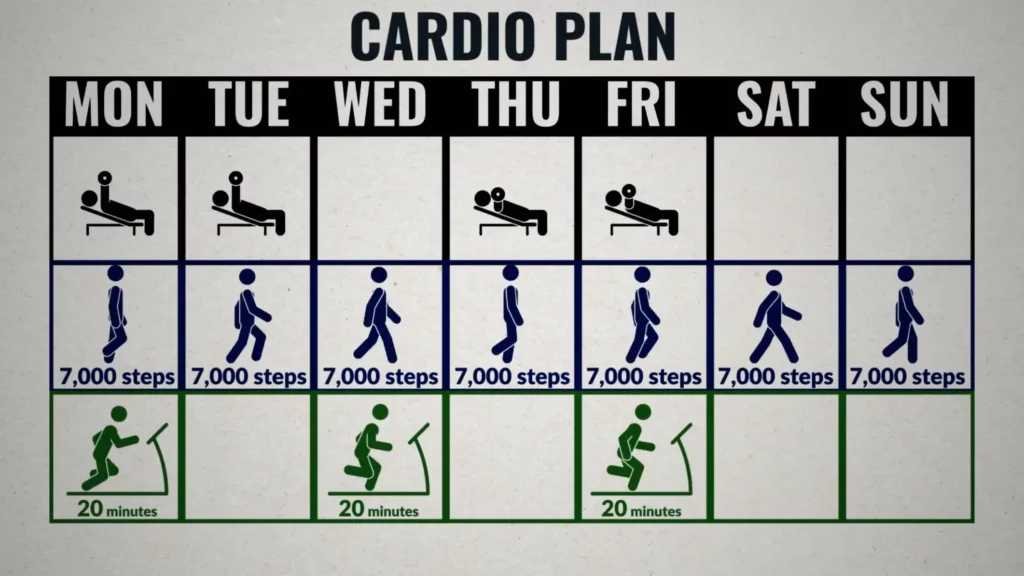
The key to shedding pounds with cardio is consistency and finding the right amount for your body. Typically, aiming for about 150 minutes of moderate-intensity or 75 minutes of vigorous cardio per week can help you lose weight effectively. But remember, everyone’s different, and it’s important to listen to your body and adjust accordingly.
For effective weight loss, most people should aim for at least 150 minutes of moderate or 75 minutes of vigorous aerobic activity weekly, combined with strength training. The amount of cardio needed varies based on your goals, current weight, and activity level, but consistency is essential for noticeable results.
If you’re looking to lose weight through cardio, the right amount depends on your individual goals and fitness level. Generally, starting with 30 to 60-minute sessions, three to five times a week, can kickstart your progress. It’s also vital to combine cardio with a balanced diet and strength training for the best results. Don’t forget—listening to your body and gradually increasing intensity and duration helps prevent injury and keeps you motivated.

How Much Cardio Should You Do to Lose Weight?
Understanding the Role of Cardio in Weight Loss
Cardio exercises help burn calories, which is essential for losing weight. They increase your heart rate, boost metabolism, and improve cardiovascular health. The key is to find the right amount that works for your body and goals.
How Many Calories Do You Need to Burn?
Losing weight requires creating a calorie deficit—burning more calories than you consume. Typically, a deficit of 3,500 calories leads to losing about one pound of weight. The amount of cardio needed depends on how many calories you aim to burn each week.
Recommended Weekly Cardio Duration
Health experts suggest doing at least 150 minutes of moderate-intensity cardio per week. This could be broken down into 30-minute sessions, five days a week. For more significant weight loss, increasing to 300 minutes per week can be beneficial.
Intensity Matters: Moderate vs. High-Intensity Cardio
Moderate cardio includes activities like brisk walking or cycling. High-intensity workouts, such as running or interval training, burn more calories in less time. Both types are effective but should be tailored to your fitness level.
Balancing Cardio with Strength Training
While cardio burns calories, strength training builds muscle, which can boost resting metabolism. Combining both creates an effective plan for weight loss and overall fitness. Aim for two to three strength sessions weekly alongside your cardio.
How to Structure Your Cardio Routine
Start with manageable sessions, gradually increasing intensity and duration. Mix different types of cardio to prevent boredom and improve different muscle groups. For example, alternate between walking, swimming, and cycling.
Sample Weekly Cardio Schedule
- Monday: 30 minutes brisk walking
- Tuesday: 20-minute high-intensity interval training
- Wednesday: Rest or light activity
- Thursday: 45 minutes cycling
- Friday: 30 minutes jogging or running
- Saturday: Recreational activity like hiking or swimming
- Sunday: Rest or gentle walk
How Long Should Each Cardio Session Be?
For weight loss, sessions of at least 20 to 45 minutes are recommended. Longer durations can help burn more calories but listen to your body to avoid injury. If you’re short on time, shorter, more intense workouts can also be effective.
Benefits of Consistent Cardio
Regular cardio improves heart health, increases energy levels, and supports mental well-being. It also helps establish a routine that promotes sustained weight loss. Consistency is more important than intensity or duration in the long run.
Understanding the Plateaus and How to Overcome Them
Weight loss may stall after some time due to adaptation. To prevent this, vary your cardio routine, increase intensity, or add interval training. Tracking progress helps you adjust your workouts for continued results.
The Importance of Rest and Recovery
Rest days allow your body to recover and prevent injuries. Incorporate active recovery, like gentle walking or stretching, into your routine. Proper rest ensures you stay motivated and avoid burnout.
Other Factors Influencing How Much Cardio You Should Do
Your starting fitness level, age, and overall health impact how much cardio you can do. Those with medical conditions should consult a professional before increasing activity levels. Listening to your body is essential for safe and effective weight loss.
Related Topics to Consider
- Nutrition and Diet Tips for Weight Loss
- The Role of Hydration During Cardio Workouts
- How to Stay Motivated to Exercise Regularly
- The Impact of Sleep on Weight Loss
- Combining Cardio with a Balanced Lifestyle
Tracking and Measuring Your Progress
Use a journal or fitness app to log your workouts, duration, and how you feel afterward. Tracking calorie intake versus burn gives a clearer picture of your progress. Adjust your routine based on results and how your body responds.
Common Mistakes to Avoid
Avoid doing excessive cardio without proper nutrition, which can lead to fatigue and injury. Do not neglect rest days or overtrain, as this hampers progress. Remember, quality over quantity counts in effective weight loss routines.
Summary
In summary, the amount of cardio needed for weight loss varies based on individual goals and fitness levels. Aiming for at least 150 minutes of moderate cardio weekly is a good starting point. Increasing duration and intensity gradually can lead to better results while keeping your body safe and healthy.
Embarking on a cardio routine tailored to your needs ensures sustainable weight loss and improves overall well-being. Find activities you enjoy, stay consistent, and be patient with your progress. Remember, a balanced approach combining cardio, strength, nutrition, and rest creates the best long-term results.
Frequently Asked Questions
How many minutes of cardio should I aim for each session to support weight loss?
For effective weight loss, aim for at least 150 minutes of moderate-intensity cardio per week, such as brisk walking, cycling, or swimming. This typically breaks down to about 30 minutes five days a week. If you want to accelerate weight loss, increasing your cardio sessions to 300 minutes per week can be beneficial. Consistency is key, so choose activities you enjoy to stay committed.
Is it better to do cardio on a daily basis or have rest days between sessions?
It’s generally effective to engage in cardio most days of the week, but including rest or low-intensity days helps your body recover and prevents overtraining. For example, alternating high-intensity days with lighter activities like walking or yoga offers optimal results. Listen to your body, and incorporate rest days when needed to avoid burnout and injury.
Does the type of cardio exercise impact weight loss, and how should I choose?
Different cardio activities can help you lose weight, but choosing exercises you enjoy increases long-term adherence. While running burns many calories, activities like swimming or cycling are easier on joints and can be sustained longer. Incorporate a mix of cardio types to keep your routine engaging and to target different muscle groups, aiding overall weight loss efforts.
Can doing too much cardio hinder my weight loss progress?
Excessive cardio without proper nutrition can lead to muscle loss and fatigue, hindering progress. Striking a balance between cardio, strength training, and adequate rest supports sustainable weight loss. Focus on a well-rounded routine that includes strength exercises and a nutritious diet to maximize results without overtraining.
How can I ensure my cardio routine supports my overall fitness goals?
Set specific goals like improving endurance, losing weight, or increasing stamina, and tailor your cardio sessions accordingly. Incorporate intervals or varied intensities to boost calorie burn and cardiovascular health. Pairing cardio with strength training and a balanced diet enhances overall fitness and helps achieve your weight management objectives effectively.
Final Thoughts
The ideal amount of cardio to lose weight varies for each person but typically ranges from 150 to 300 minutes per week. Consistency is key, so find activities you enjoy to stay motivated. Incorporate a mix of moderate and vigorous exercises to maximize fat burning.
Tracking your progress helps you adjust your routine as needed. Remember, how much cardio should you do to lose weight depends on your goals and lifestyle. Staying active regularly will support your weight loss journey effectively.
As an Amazon Associate, We earn from qualifying purchases. When you purchase a product through Amazon links on pulsefitguide.com, we may earn a small commission at no extra cost to you. This helps support the site and keep our content free.
