


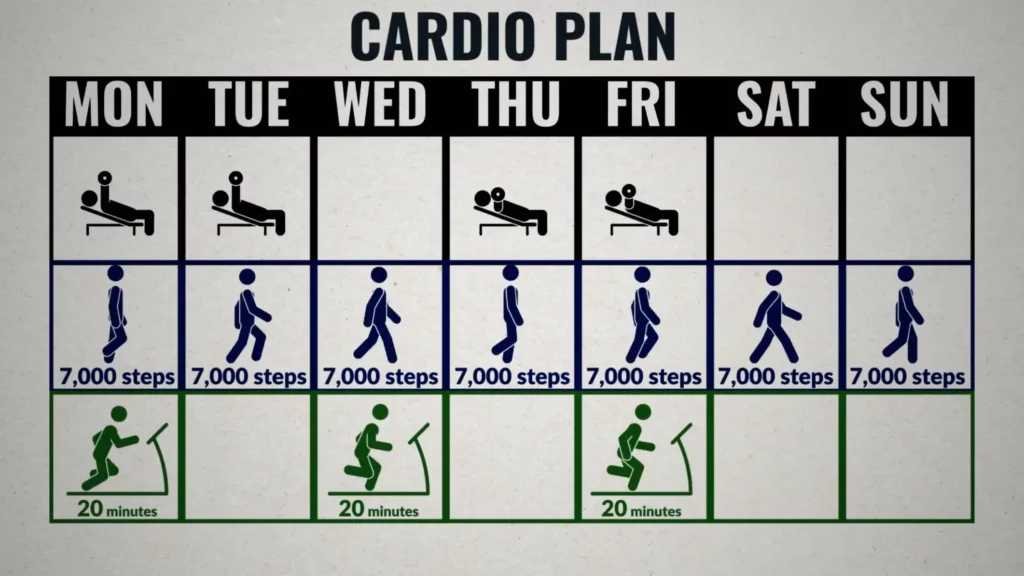
If your goal is to shed pounds efficiently, the key is finding the right amount of cardio to boost your fat burn without overdoing it. For most people, doing about 150 minutes of moderate-intensity cardio per week, or around 30 minutes most days, is an effective strategy for weight loss. Increasing this to 300 minutes can speed up results, but consistency and balance are essential. Remember, combining cardio with proper diet and strength training maximizes weight loss and improves overall health. So, how much cardio should you do daily? Stick to around 30 minutes of moderate activity, but tailor it based on your fitness level and goals. Keep reading to discover tips on optimizing your cardio routine for the best results.
Engaging in regular cardio is one of the most effective ways to burn calories and accelerate weight loss, but many wonder how much is too much or too little. The right amount varies from person to person, influenced by fitness level, lifestyle, and goals. Finding a sustainable routine that fits your schedule is key to staying consistent and seeing results. Whether you’re just starting out or looking to refine your approach, understanding how much cardio to incorporate into your daily routine can make a real difference. In this article, we’ll explore practical guidelines for determining the ideal cardio duration to help you achieve your weight loss goals without sacrificing enjoyment.

How Much Cardio a Day to Lose Weight: A Complete Guide
Understanding the Role of Cardio in Weight Loss
Cardio exercises are activities that get your heart pumping and increase your breathing rate. They are essential for burning calories and helping you lose weight. The more intense the cardio, the more calories you burn in a shorter amount of time. But finding the right amount of cardio is key to seeing results without risking burnout or injury.
How Many Calories Do You Burn During Cardio?
The number of calories burned depends on several factors. These include your weight, the intensity of exercise, and the duration of your workout. For example, a person weighing 150 pounds can burn approximately 300 calories in 30 minutes of brisk walking. In contrast, the same person might burn 500 calories cycling vigorously for the same time. Use these estimates as a guide to plan your workouts.
The Recommended Amount of Cardio for Weight Loss
According to health experts, engaging in at least 150 minutes of moderate-intensity cardio weekly provides health benefits. For weight loss, many recommend aiming for 300 minutes or more per week. This equates to about about 45 minutes daily if spread over the week. Remember, consistency is more important than intensity alone.
Balance Between Moderate and Vigorous Cardio
Moderate cardio includes brisk walking or dancing, which feels like an elevated but sustainable effort. Vigorous cardio involves activities like running or fast cycling, which boost your heart rate significantly. For optimal weight loss, incorporating both can be effective. For example, do moderate exercises most days and add some vigorous sessions twice a week.
How To Know If You’re Doing Enough Cardio
Monitoring your progress helps to determine if your current routine is effective. Keep track of your workouts and note changes in your weight or body measurements. If you’ve been consistent but see no progress, consider increasing the intensity or duration. Using a fitness tracker or app can also help measure your activity levels.
Signs You May Need More Cardio
Some signs include plateauing weight loss, feeling less energetic, or gaining weight unexpectedly. If you experience these, gradually adding more cardio sessions can help. Remember, your body needs adequate activity to burn stored fat effectively.
How to Safely Increase Your Cardio Routine
Start by adding just a few extra minutes to your workouts each week. Always warm up before starting and cool down afterward. Gradually increase the intensity to avoid injury and allow your body to adapt comfortably. If needed, consult a fitness professional to create a personalized plan.
Creating a Weekly Cardio Schedule
Plan your workouts by balancing different types of cardio across the week. For example, schedule brisk walks on three days, swimming on two, and a high-intensity session on one. Include rest or light activity days to allow your muscles to recover. This approach helps prevent overtraining and maintains motivation.
The Importance of Combining Cardio With Other Weight Loss Strategies
While cardio plays a significant role, combining it with strength training and a healthy diet produces better results. Strength exercises build muscle, which increases your resting metabolism. Eating a balanced diet ensures you’re fueling your body properly and not overeating after workouts.
Sample Weekly Workout Plan for Weight Loss
- Monday: 45 minutes brisk walking
- Tuesday: 30 minutes cycling + 15 minutes strength training
- Wednesday: Rest or light stretching
- Thursday: 40 minutes jogging or running
- Friday: 30 minutes swimming + core exercises
- Saturday: 45 minutes hiking or dancing
- Sunday: Rest or gentle yoga
Adjust your schedule based on personal preferences and fitness level.
Factors Influencing How Much Cardio You Need
Several elements affect how much cardio is necessary for weight loss. These include your current weight, metabolism rate, diet, and activity levels outside of structured workouts. The more active you are overall, the less cardio you may need to reach your goals.
Weight and Cardio Calories Burned
People with higher body weight burn more calories doing the same activity than lighter individuals. For example, a 200-pound person burns more than 250 calories in 30 minutes of brisk walking compared to a 125-pound person. Tailoring your cardio depends on your body composition.
Metabolic Rate and Age
Younger individuals tend to have a faster metabolism, requiring slightly less cardio to lose weight. As you age, your metabolic rate slows down, so you may need to increase your activity or adjust your diet. Regular cardio helps maintain a healthy metabolism.
Incorporating Variety for Better Results
Switching between different cardio activities keeps workouts interesting and challenging. It also reduces the risk of overuse injuries and plateaus in weight loss. Try cycling, swimming, running, and brisk walking throughout the week.
Benefits of Including Interval Training
Interval training involves alternating periods of high intensity with recovery periods. This approach maximizes calorie burn in less time and boosts your metabolism even after finishing exercise. For example, alternate 1-minute sprints with 2-minute walks.
How to Track Your Cardio Progress Effectively
Using a fitness app, watch, or journal helps you stay accountable. Record exercise duration, intensity, and how you feel afterward. Tracking progress motivates ongoing effort and helps you adjust your routine as needed.
Adjusting Cardio Based on Results
If you’re not seeing the desired weight loss after several weeks, consider increasing exercise duration or intensity. Conversely, if you feel exhausted, reduce the workload to prevent burnout. Flexibility is key to sustainable progress.
Summary: Finding Your Ideal Cardio Routine
Each person’s needs are different; listen to your body and set realistic goals. Prioritize consistency and enjoy your workouts to maintain motivation. Combining appropriate cardio with a balanced diet accelerates your journey toward weight loss success.
Remember
Ultimately, the best amount of cardio depends on your individual health, goals, and lifestyle. Small, manageable changes and staying active regularly will lead to lasting results. Stay patient and keep moving—your efforts will pay off!
Frequently Asked Questions
How can I determine the right amount of daily cardio to support my weight loss goals?
To find the appropriate amount of cardio, consider your current fitness level, overall activity, and weight loss targets. Generally, aiming for 150 to 300 minutes of moderate-intensity cardio per week can be effective. Spread this out over several days to avoid burnout and allow your body to recover. Listening to your body and gradually increasing duration and intensity helps prevent injuries and promotes consistent progress.
Is doing more cardio always better for losing weight quickly?
While increasing cardio can lead to faster weight loss, excessive exercise without proper rest may cause fatigue or injuries. It’s important to balance cardio with strength training and proper nutrition. Concentrate on sustainable routines rather than overdoing it, and remember that consistent, moderate efforts often yield better, long-term results.
What types of cardio exercises are most effective for weight loss?
Activities like brisk walking, running, cycling, swimming, and high-intensity interval training (HIIT) prove effective for burning calories and boosting metabolism. Incorporating a mix of these exercises can prevent boredom and engage different muscle groups. Choose activities that you enjoy, as consistency is key to reaching your weight loss goals.
How should I adjust my cardio routine as I lose weight?
As your fitness improves and you lose weight, you may need to increase the intensity or duration of your cardio sessions to maintain progress. Include interval training or increase your workout duration gradually. Monitoring your progress and adapting your routine helps ensure continuous improvement and avoids plateaus.
Final Thoughts
The amount of cardio needed to lose weight varies based on individual fitness levels and goals. Generally, doing 150 minutes of moderate-intensity or 75 minutes of high-intensity cardio weekly proves effective.
Splitting this into daily sessions of about 30 minutes can yield steady results. Consistency remains key to achieving and maintaining weight loss.
In conclusion, how much cardio a day to lose weight depends on personal factors, but aiming for around 30 minutes daily offers a practical path.
As an Amazon Associate, We earn from qualifying purchases. When you purchase a product through Amazon links on pulsefitguide.com, we may earn a small commission at no extra cost to you. This helps support the site and keep our content free.
