

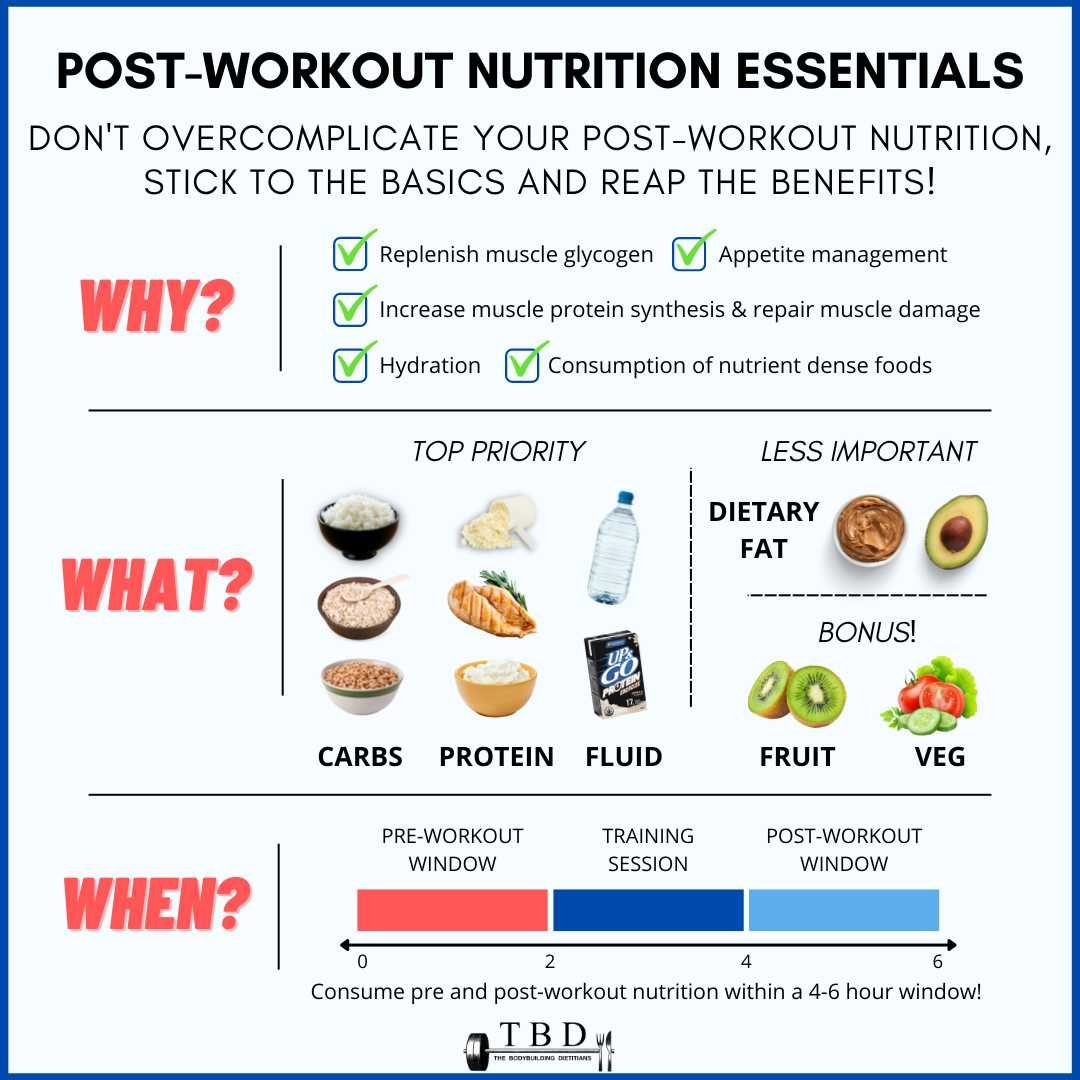
For optimal recovery and muscle growth, aim for about 20-50 grams of carbs after your workout. The exact amount depends on your workout intensity and personal goals, but generally, a moderate intake helps replenish glycogen stores without excess calories. Consuming the right quantity of post-workout carbs can enhance your recovery, boost energy levels, and support muscle repair.
Eating the right amount of carbs after exercising is crucial for maximizing your gains and feeling energized. If you’re wondering how many carbs to consume post-workout, it really depends on your workout intensity, body size, and fitness goals. Generally, 20 to 50 grams of carbs is effective for most people to refuel energy stores and promote recovery. Too few carbs might leave you sluggish, while too many could lead to unwanted weight gain. Finding the sweet spot ensures your body has what it needs to recover without excess. This article will help you understand exactly how much post-workout carbs you should be aiming for to optimize your results and keep your energy levels high.

How Many Post Workout Carbs Should You Eat?
Understanding the right amount of carbs to consume after a workout is key to optimizing your recovery. Many people wonder exactly how many grams of carbs they should intake right after exercising. This guide will break down what you need to know about post workout carbs so you can make smart choices for your body and goals.
Why Are Carbohydrates Important After Exercise?
Carbohydrates play a vital role in refueling your energy stores. When you exercise, especially during high-intensity workouts, your body uses up stored glycogen in muscles. Eating carbs afterward helps replace these glycogen reserves, preparing your body for the next workout.
Without enough carbs, your recovery may suffer, and you might experience fatigue quickly. Proper carb intake supports muscle repair, reduces soreness, and enhances overall performance in future sessions.
Understanding Glycogen and Its Role
Glycogen is the stored form of glucose found in muscles and the liver. It serves as a quick energy source during physical activity. After a workout, replenishing glycogen is crucial to ensure your muscles are ready for the next challenge.
The amount of glycogen you need depends on the intensity and duration of your exercise. High-intensity or long-duration workouts deplete glycogen stores faster, requiring more carbs for full recovery.
How Much Post Workout Carbs Do You Need?
Factors Influencing Carb Needs
Several factors determine the ideal amount of carbs after your workout. These include your age, weight, activity level, fitness goals, and the type of exercise you perform. More intense workouts or longer sessions generally mean higher carb requirements.
For most people, consuming between 0.5 to 1 gram of carbs per kilogram of body weight within 30 minutes to an hour after exercising is effective for replenishment.
General Recommendations
- For light to moderate workouts: 0.5 grams of carbs per kilogram of body weight
- For intense or prolonged sessions: up to 1.0-1.5 grams per kilogram of body weight
- For athletes or those training multiple times a day: approaching 2 grams per kilogram of body weight
For example, a person weighing 70 kilograms aiming for moderate recovery might consume about 35 grams of carbs after exercising.
Best Types of Post Workout Carbohydrates
Simple vs. Complex Carbohydrates
Simple carbs digest quickly, making them ideal immediately after your workout. Examples include fruit, honey, or sports drinks. These supply rapid energy to muscle cells and help kickstart the glycogen replenishment process.
Complex carbs take longer to digest and are best consumed a little later, such as whole grains, starchy vegetables, or legumes. They provide sustained energy and help maintain blood sugar levels.
Examples of Effective Post Workout Carbs
- Bananas – rich in natural sugars and potassium
- Sweet potatoes – high in fiber and complex carbs
- Oatmeal – provides slow-burning carbs and fiber
- Rice or quinoa – quick to prepare and easy to digest
- Fruit smoothies – combine simple carbs with protein for recovery
Combining Carbohydrates With Protein
Consuming carbs with protein enhances muscle repair and glycogen replenishment. Aim for a ratio of roughly 3:1 carbs to protein for optimal recovery.
Examples include yogurt with fruit, a protein shake with banana, or rice with chicken. This combination helps your muscles recover faster and prepares you better for upcoming workouts.
Timing Is Key: When Should You Eat Post Workout Carbs?
The Anabolic Window
Research suggests that the first 30 to 60 minutes after your workout, often called the “anabolic window,” is the best time to consume carbs. During this period, your muscles are most receptive to glycogen storage.
Eating within this window can maximize glycogen synthesis and promote quicker recovery. However, if you cannot eat immediately, don’t worry—within a couple of hours still offers benefits.
Meal Timing Tips
- Have a carbohydrate-rich snack or meal within an hour after exercising
- If you wait longer, try to consume carbs as soon as possible afterward
- Plan your post workout nutrition around your daily schedule for consistency
Special Considerations for Different Goals
For Weight Loss
Keep carbs moderate to prevent excess calorie intake. Focus on nutrient-dense, low-glycemic carbs like vegetables and fruits. Prioritize timing to support recovery without hindering weight loss.
For Muscle Gain
Increase carb intake slightly to support muscle growth and recovery. Combine carbs with sufficient protein and consider higher quantities on training days.
For Endurance Athletes
Consume higher amounts of carbs to replenish glycogen stores effectively. Multiple carb-rich meals throughout the day aid in sustained energy for long training sessions.
Monitoring Your Carb Intake
Use food diaries or apps to track your daily intake, especially around workout times. Adjust your carbs based on your progress, energy levels, and recovery feedback.
Listening to your body and consulting with a nutritionist can help refine your post workout carbohydrate strategy for optimal results.
Summary of Key Points
- Consume 0.5 to 1.5 grams of carbs per kilogram of body weight after workouts
- Choose simple carbs immediately post-exercise for quick glycogen refuel
- Combine carbs with protein for better recovery
- Eat within 30 to 60 minutes after exercise for maximum benefit
- Adjust your carb intake based on your fitness goals and workout intensity
Incorporating the right amount and type of carbs into your post workout nutrition can make a big difference in how quickly you recover and how well you perform moving forward. Remember, paying attention to timing, quantity, and quality will help you achieve your fitness goals more effectively.
Frequently Asked Questions
What factors influence the amount of carbs needed after a workout?
The amount of carbs required after a workout depends on your workout intensity, duration, and personal goals such as muscle recovery or fat loss. Longer or more intense sessions deplete your glycogen stores more and may require higher carbohydrate intake to replenish energy levels effectively. Additionally, your body weight and metabolic rate also play a role in determining the appropriate carb amount.
How does timing affect carbohydrate intake post-exercise?
Consuming carbs soon after your workout, ideally within 30 to 60 minutes, helps optimize glycogen replenishment and muscle recovery. During this window, your muscles are more receptive to storing glycogen, making it beneficial to include a moderate amount of carbs to support recovery. Delaying intake might reduce the efficiency of glycogen replenishment but still offers benefits if your workout was particularly taxing.
Can eating too many carbs after exercise be counterproductive?
Yes, consuming excessive carbs post-workout can lead to unwanted fat gain, especially if your overall daily intake exceeds your energy expenditure. While replenishing glycogen is essential, balance is key. Opt for an appropriate amount based on your activity level and dietary goals to support recovery without overdoing it.
Is there a recommended carbohydrate amount for different types of workouts?
For moderate workouts lasting less than an hour, 20-40 grams of carbs may suffice for recovery. Longer or high-intensity sessions might require 50-100 grams or more. Adjust your intake based on workout length and intensity, ensuring you support muscle recovery without excess caloric intake.
Do carbohydrate needs differ between strength training and endurance workouts?
Yes, endurance workouts typically deplete glycogen stores more significantly and thus demand higher carbohydrate intake afterward for effective replenishment. Strength training may require fewer carbs post-exercise, focusing more on protein for muscle repair, but including some carbs can still support recovery and energy restoration.
Final Thoughts
Consuming the right amount of post workout carbs helps replenish glycogen stores and promotes recovery.
For most people, 0.5 to 1 gram of carbs per kilogram of body weight works well after exercise.
Adjust this based on workout intensity and personal goals.
In conclusion, how many post workout carbs you need depends on your activity level and body weight. Ensuring you get enough carbs can speed up recovery and enhance performance.
As an Amazon Associate, We earn from qualifying purchases. When you purchase a product through Amazon links on pulsefitguide.com, we may earn a small commission at no extra cost to you. This helps support the site and keep our content free.