


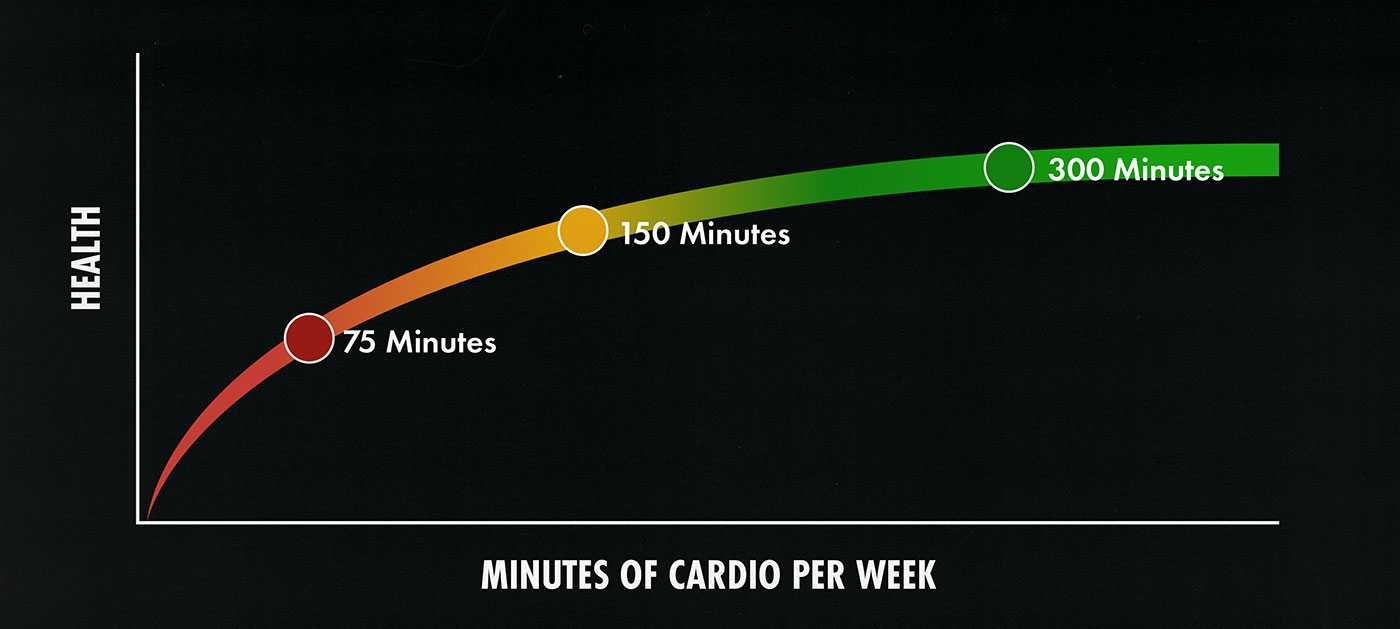
Aim for at least 150 minutes of moderate-intensity cardio or 75 minutes of vigorous activity each week for optimal health. Even short, consistent sessions can make a big difference in fitness and well-being. Find a routine that fits your schedule and intensity level to stay motivated and reap the benefits.
In general, 30 to 60 minutes of cardio most days of the week is ideal for improving cardiovascular health and aiding weight management. The exact duration depends on your fitness goals, current fitness level, and how intense your workouts are. It’s more important to stay consistent than to push yourself to the limit in every session.
Getting enough cardio doesn’t have to be overwhelming. Whether you prefer brisk walking, cycling, or dancing, implementing around 150 minutes of moderate exercise weekly can boost your energy, improve your mood, and support your health. The key is to find activities you enjoy and make them a regular part of your routine.

How Many Minutes of Cardio Do You Need? A Complete Guide
Understanding the Basics of Cardio Exercise
Cardio exercise, also called aerobic activity, helps your heart and lungs stay healthy. It’s any activity that raises your heart rate, like walking, running, cycling, or swimming. Knowing how many minutes of cardio you need depends on your fitness goals and current health.
Recommended Cardio Duration for General Health
For overall health, health experts suggest aiming for at least 150 minutes of moderate-intensity cardio each week. This breaks down to about 30 minutes a day, five days a week. If you prefer vigorous activity, 75 minutes weekly can also be enough.
How to Divide Your Cardio Sessions
You can split your total weekly cardio into smaller sessions. For example, doing 10-minute sessions throughout the day adds up quickly. The key is consistency and making exercise a regular part of your routine.
Moderate vs. Vigorous Cardio: What’s the Difference?
Moderate-intensity cardio makes you breathe faster but still allows you to speak easily. Vigorous cardio makes your breathing harder and talking difficult. Examples:
- Moderate: brisk walking, gentle cycling
- Vigorous: running, fast cycling, aerobic dance
Your choice depends on your fitness level and goals.
Determining Your Target Heart Rate Zone
To get the most benefits, aim for your target heart rate zone. This zone is usually between 50% to 85% of your maximum heart rate. Use a heart rate monitor or manually check your pulse to stay within this range during exercise.
How Many Minutes of Cardio for Weight Loss?
If losing weight is your goal, you’ll need more than the general health recommendations. Most studies suggest aiming for 300 minutes of moderate activity or 150 minutes of vigorous activity weekly. This can result in steady weight loss, especially when combined with healthy eating.
Frequency and Consistency: How Often Should You Do Cardio?
Consistency is key for seeing results. Schedule cardio sessions at least three to five times each week. Spreading out your workouts helps prevent fatigue and keeps your motivation high.
How to Build Your Cardio Routine
Start with shorter sessions, especially if you’re new to exercise. Gradually increase the duration over weeks. Incorporate a variety of activities—like swimming, dancing, or hiking—to keep things interesting. Remember, variety avoids plateaus and keeps your body challenged.
Long-Duration vs. Short, Intense Sessions
Longer sessions at moderate intensity are good for endurance and calorie burning. Short, high-intensity workouts, like sprints or HIIT (High-Intensity Interval Training), can be more time-efficient. Both methods have benefits, so choose what fits your schedule and preferences.
Benefits of Longer Cardio Sessions
Extended workouts of around 45 to 60 minutes can improve cardiovascular endurance and promote fat loss. They also allow you to burn more calories, which helps with weight management.
Advantages of Short, Intense Workouts
HIIT sessions lasting 15 to 30 minutes offer quick results and boost your metabolism. These workouts are efficient and excellent if you have limited time during the day.
Listening to Your Body and Avoiding Overtraining
While staying active is important, overdoing it can lead to injuries or fatigue. Pay attention to signs like persistent soreness or dizziness. Rest days are essential for recovery and helping your body adapt to the workouts.
Incorporating Rest Days and Recovery
Plan at least one or two rest days each week. Light activities like stretching or walking help your muscles recover without losing momentum. Proper recovery ensures you stay motivated and injury-free.
Adjusting Your Cardio Duration Based on Progress
Monitor your progress and adjust your cardio length accordingly. If you’re not seeing improvements, consider increasing the duration or intensity. Stay flexible and modify your plan to fit your evolving fitness level.
Special Considerations for Beginners
Beginners should start with shorter sessions, around 10 minutes, gradually increasing as their stamina builds. Focus on enjoyment and consistency rather than intensity at first. This approach helps establish a sustainable routine.
Cardio and Other Fitness Components
Remember, combining cardio with strength training and flexibility exercises leads to balanced fitness. While cardio improves heart health and endurance, strength training builds muscle, and flexibility enhances movement.
Related Topics to Explore
- How to incorporate cardio into daily routines
- Best types of cardio for different age groups
- Safety tips for high-intensity workouts
These topics can help you refine your exercise plan and stay motivated.
Choosing the right amount of cardio depends on your goals, fitness level, and schedule. Starting with manageable durations and gradually increasing helps form lasting habits. Remember, staying active regularly boosts overall health and quality of life.
Frequently Asked Questions
What is the recommended duration for daily cardio workouts?
Most health experts suggest engaging in at least 150 minutes of moderate-intensity cardio exercise each week, which breaks down to roughly 30 minutes per day for five days. This amount of activity helps improve cardiovascular health, boost endurance, and manage weight effectively.
How does the duration of cardio sessions affect weight loss efforts?
The length of your cardio sessions influences calorie burn, with longer sessions typically burning more calories. However, consistency and intensity play crucial roles. Starting with 20-30 minute sessions and gradually increasing duration can optimize fat loss while preventing overtraining.
Can shorter, more frequent cardio workouts be as effective as longer ones?
Yes, performing shorter sessions, such as 10-15 minutes multiple times a day, can be just as beneficial as longer workouts. This approach maintains a high overall weekly activity level, supports cardiovascular health, and fits better into busy schedules.
Is there an optimal time of day to perform cardio exercises?
The best time to do cardio depends on your personal schedule and preferences. Some people find morning workouts boost their energy for the day, while others prefer evening sessions to unwind. Consistency matters most, so choose a time that allows you to stick with regularly.
How do I determine the right duration of cardio for my fitness level?
Assess your current fitness level and gradually increase your cardio duration to avoid injury and fatigue. Beginners might start with 10-15 minute sessions and add 5-minute increments each week. More experienced individuals can aim for 30-45 minute sessions, maintaining intensity to match their goals.
Final Thoughts
Pour maintenir une bonne santé, il est conseillé de faire au moins 150 minutes de cardio par semaine. Cela peut se répartir en sessions de 30 minutes, cinq fois par semaine, ou selon votre emploi du temps.
L’intensité de votre entraînement influence également la durée nécessaire. Pour brûler des calories efficacement, il faut adapter votre activité à vos objectifs.
En conclusion, how many minutes of cardio you need depends sur votre routine et vos objectifs. En général, viser 150 minutes par semaine reste une règle pratique pour une santé optimale.
As an Amazon Associate, We earn from qualifying purchases. When you purchase a product through Amazon links on pulsefitguide.com, we may earn a small commission at no extra cost to you. This helps support the site and keep our content free.
