


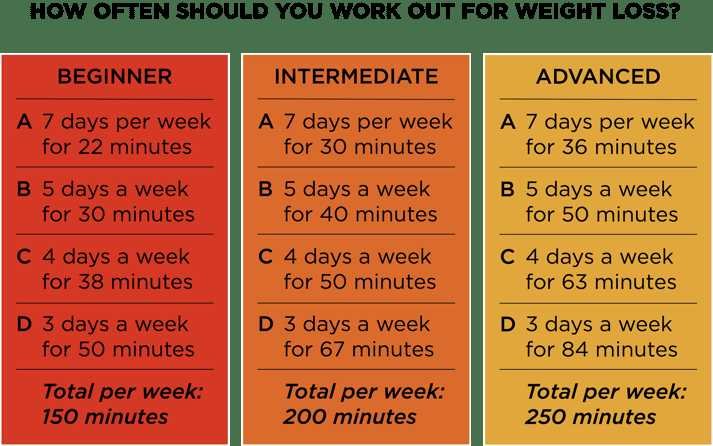
You should aim for at least 3 to 5 days of cardio each week to see significant health benefits and improve fitness levels. The exact number depends on your goals, schedule, and fitness level, but consistency is key. Incorporating regular cardio can boost your heart health, help manage weight, and enhance overall energy.
For most people, doing cardio 3 to 5 days a week strikes a good balance between effectiveness and allowing your body to recover. If you’re just starting out, begin with 2-3 days and gradually increase. More advanced athletes might do cardio almost daily, depending on their training plan. Ultimately, the best approach is to listen to your body, stay consistent, and make cardio a sustainable part of your routine. Remember, it’s not just about frequency but also about enjoying the activity to keep it long-term.

How Many Days a Week to Do Cardio
Deciding how many days to do cardio each week can seem confusing. It’s important to find a balance that fits your goals, schedule, and fitness level. Whether you’re aiming to lose weight, improve heart health, or boost endurance, the right amount of cardio varies for everyone.
Understanding the Benefits of Regular Cardio Exercise
Cardio workouts help strengthen your heart and lungs. They also burn calories, which can assist with weight management. Regular cardio can boost mood, increase energy, and improve overall health.
How Often Should You Do Cardio for Weight Loss?
If your goal is weight loss, consistency is key. Most experts recommend doing cardio at least three to five times each week. This frequency helps create a calorie deficit without overtraining.
Ideal Frequency for Weight Loss
Engaging in cardio three to five days weekly allows you to burn sufficient calories. Combining this with a healthy diet enhances weight loss results. Be sure to include a mix of moderate and high-intensity workouts for variety and effectiveness.
Cardio Frequency for Heart Health and Endurance
To improve cardiovascular health and endurance, aim for about four to five sessions weekly. This frequency provides enough stimulus without overworking the body.
Moderate vs. Vigorous Cardio
Moderate cardio includes activities like brisk walking or cycling. Vigorous cardio involves running or high-intensity interval training. Incorporating both types offers balanced benefits and keeps workouts interesting.
How Many Days a Week Is Too Much?
Doing cardio every day can be beneficial if you listen to your body. However, overdoing it can lead to fatigue, injuries, or burnout. Rest days are important to allow your body to recover and prevent overtraining.
Signs You Might Be Overdoing It
- Persistent fatigue or soreness
- Decreased performance in workouts
- Increased irritability or mood swings
- Unusual pains or injuries
Balancing Cardio with Other Fitness Activities
Mixing cardio with strength training and flexibility exercises creates a well-rounded fitness routine. For example, alternate cardio days with strength workouts for muscle building.
Weekly Workout Schedule Ideas
- Monday: Moderate cardio (walking, cycling)
- Tuesday: Strength training
- Wednesday: High-intensity interval training
- Thursday: Rest or light activity like yoga
- Friday: Moderate cardio
- Saturday: Active recovery or light stretching
- Sunday: Longer, low-intensity cardio or rest
Adapting Cardio Frequency to Your Fitness Level
Beginners should start with two to three days weekly. Gradually increase to four or five days as fitness improves. Advanced exercisers may handle six days, but listening to your body remains essential.
For Beginners
Start slow to avoid burnout. Focus on consistency and enjoy the activity to build a habit. Short sessions, around 20 to 30 minutes, are sufficient at first.
For Experienced Athletes
Higher frequency and intensity can be incorporated safely. Incorporate variety, such as different types of cardio or interval training, to challenge your body.
How to Maximize Cardio Benefits in Fewer Days
If you’re limited on time, high-intensity interval training offers an efficient way to get benefits in less time. Even two to three intense sessions weekly can improve cardiovascular fitness.
Effective HIIT Workouts
- Short bursts of high effort followed by recovery periods
- Sessions lasting 20 to 30 minutes
- Can include running, cycling, swimming, or bodyweight exercises
Important Tips for Safe and Effective Cardio
- Warm up before each session to prevent injury
- Gradually increase intensity and duration
- Stay hydrated and maintain proper nutrition
- Listen to your body and rest if needed
Tracking Your Progress and Adjusting Frequency
Monitor how your body responds to your routine. If you notice lingering fatigue or pain, reduce frequency or intensity. Adjust as needed to stay consistent and prevent setbacks.
The Role of Rest Days in Your Cardio Routine
Rest days allow muscles and joints to recover. They reduce the risk of overuse injuries and improve overall performance. Incorporate at least one or two rest days each week, especially after intense sessions.
Summary of Recommended Cardio Days per Week
| Goal | Recommended Days per Week |
|---|---|
| Weight loss | 3 to 5 days |
| Heart health and endurance | 4 to 5 days |
| Maintaining general fitness | 3 to 4 days |
| High-performance training | 5 to 6 days with adequate rest |
Choosing how many days to do cardio depends on your goals, fitness level, and lifestyle. Consistency and listening to your body are key to long-term success. With the right balance, you can enjoy the many benefits cardio has to offer while staying injury-free and motivated.
Frequently Asked Questions
How can I balance cardio with strength training throughout the week?
To balance cardio and strength training, plan your week with dedicated days for each activity. For example, perform cardio workouts on two or three days and focus on strength training on two days. Ensure you have rest days or active recovery days in between. This approach helps prevent overtraining, allows muscles to recover, and maintains overall fitness progress.
What effect does doing cardio more frequently have on overall health?
Engaging in cardio more regularly can improve cardiovascular health, boost endurance, and help regulate weight. However, doing it excessively without proper rest may lead to fatigue or injury. Aim for a consistent schedule, such as 3 to 5 days per week, and listen to your body to avoid overexertion.
Is it necessary to do cardio every day to see benefits?
It is not necessary to work out daily to achieve cardio benefits. Most health guidelines recommend at least 150 minutes of moderate-intensity cardio per week, which can be divided into several sessions. Incorporating rest days allows your body to recover while still gaining health improvements from regular activity.
How should I adjust my cardio routine based on my fitness goals?
If you aim to lose weight, include more frequent and higher-intensity cardio sessions, such as 4 to 5 days a week. For general health, 3 days per week can suffice. Those training for endurance may need to do longer sessions multiple times a week. Adjust the frequency and intensity to match your specific goals and current fitness level.
Are there benefits to spreading out cardio workouts across different days?
Yes, spreading out cardio workouts helps maintain consistent energy levels and reduces fatigue. It also offers better recovery for muscles and joints, decreasing the risk of injuries. Regular, dispersed sessions can keep your motivation high and support sustainable progress.
Final Thoughts
The ideal number of days to do cardio depends on individual goals and fitness levels. For general health, aim for at least three to five days a week. This frequency helps improve cardiovascular health without risking burnout.
Consistency is key, so choose a routine that fits your schedule and keeps you motivated. Listening to your body and adjusting intensity ensures sustainable progress.
In conclusion, how many days a week to do cardio varies, but most benefits are seen with three to five days. This range balances effort and recovery, promoting overall well-being.
As an Amazon Associate, We earn from qualifying purchases. When you purchase a product through Amazon links on pulsefitguide.com, we may earn a small commission at no extra cost to you. This helps support the site and keep our content free.
