

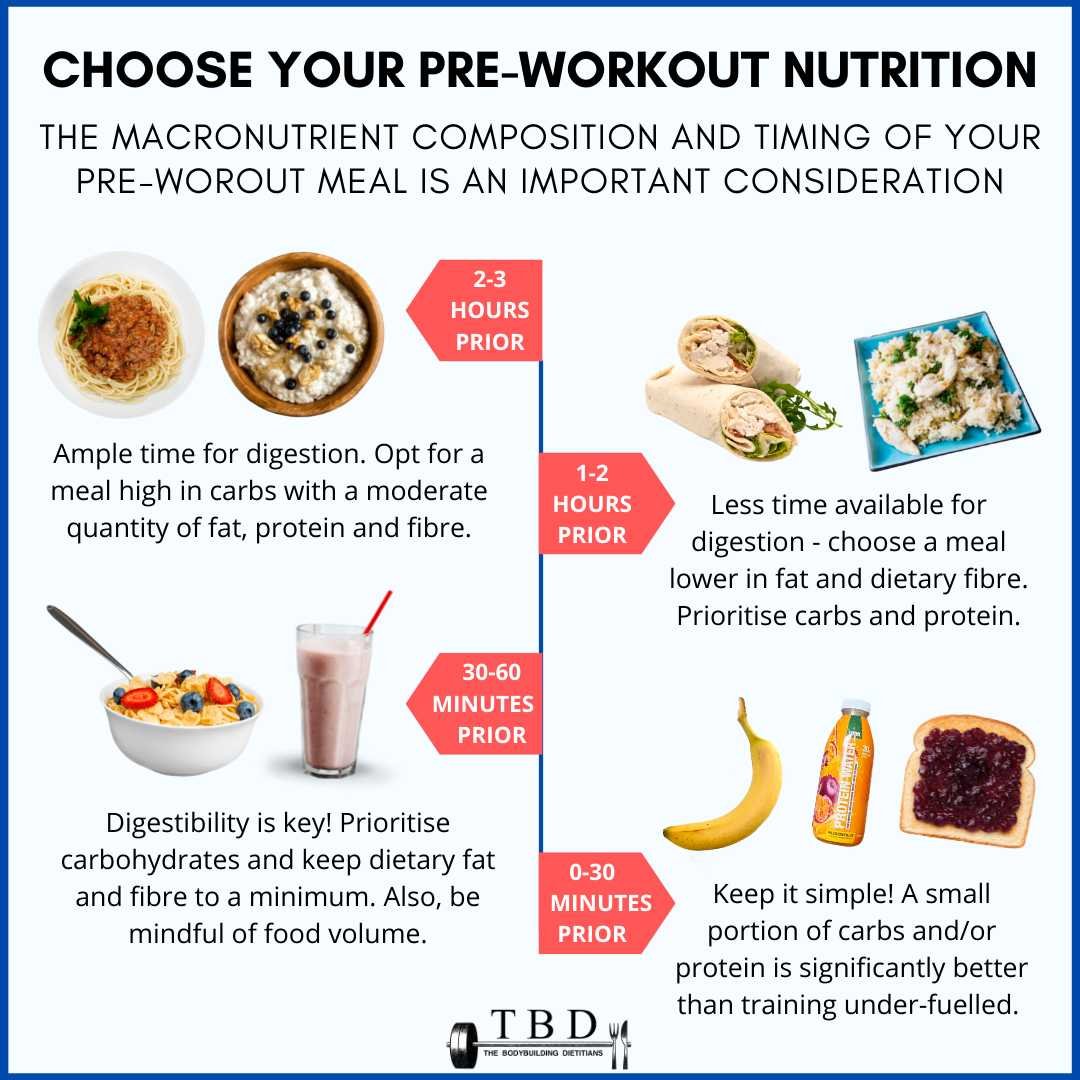
Aim to eat your pre-workout meal about 1 to 3 hours before hitting the gym. This timing helps you fuel your workout without feeling weighed down or hungry. Ideally, your meal should be balanced with carbs for energy, protein for recovery, and a little healthy fat to keep you satisfied.
In short, plan to have your meal roughly 1 to 3 hours prior to exercise to optimize energy and comfort. Adjust based on your personal digestion and workout intensity for the best results.
When it comes to timing your pre-workout meal, it all boils down to how your body responds to food before exercise. Eating too soon can leave you feeling sluggish or bloated, while waiting too long might leave you energy-depleted. The sweet spot is generally 1 to 3 hours before your workout, giving your stomach enough time to digest while ensuring you have enough fuel in the tank. Everyone is different, so some people may prefer a lighter snack closer to their session or a more substantial meal earlier in the day. The key is finding that balance that makes you feel energized and comfortable during your workout.

How Long Should Your Pre Workout Meal Be
Understanding the ideal timing for your **pre workout meal** is key to maximizing your exercise performance and making your workouts more effective. The way your body digests food before exercise can influence your energy levels, stamina, and recovery. So, how long should you wait after eating before heading to the gym? Let’s explore this question in detail.
Why Timing Your Pre Workout Meal Matters
Proper timing of your meal helps ensure your body has enough energy during your workout. If you eat too soon, you might feel sluggish or uncomfortable. On the other hand, waiting too long may leave you feeling weak or hungry. The goal is to find the right balance that fuels your activity without causing stomach discomfort.
How Long Should You Wait After Eating?
The general recommendation is to wait between **30 minutes to 3 hours** after eating before exercising. The exact timing depends on what you eat and your personal digestion rate. Here is a breakdown:
- 30 to 60 minutes before workout: Light, easily digestible foods high in carbohydrates and moderate in protein. Avoid high fat or fiber, which slow digestion.
- 1 to 3 hours before workout: Larger meals with a balanced mix of carbs, protein, and healthy fats. These provide sustained energy for longer workouts.
Different Types of Pre Workout Meals and Their Timing
Knowing what to eat influences how long you should wait. Here are common meal types and optimal timing:
Light Snacks
These are perfect 30 to 60 minutes before training. Examples include:
- Bananas with a small amount of peanut butter
- Yogurt with berries
- Whole-grain toast with honey
These foods digest quickly and supply quick energy. They prevent hunger and keep your blood sugar stable.
Full Meals
Prepared about 2 to 3 hours before exercise, these should contain balanced carbs, protein, and fats. Examples:
- Grilled chicken with rice and vegetables
- Turkey sandwich on whole grain bread with a side of fruit
- Salmon with sweet potato and broccoli
These meals take longer to digest and help sustain energy during longer workouts.
How Food Composition Affects Timing
The types of foods you eat play a critical role in meal timing. Here’s what to keep in mind:
Carbohydrates
Carbohydrates are your main energy source during workouts. They digest quickly and can be eaten closer to exercise time. Aim for easily digestible carbs like fruits, oats, or whole grains.
Proteins
Protein helps repair muscles and provides lasting energy. However, it takes longer to digest, so include moderate amounts if eating closer to workout time. Good sources include lean meats, yogurt, or eggs.
Fats and Fiber
Fats and fiber slow digestion, which can cause discomfort if consumed too close to exercise. Limit high-fat foods like fried items or high-fiber foods like beans just before workouts.
How Personal Factors Influence Timing
Every individual’s digestion is unique. Factors such as age, metabolism, and fitness level influence the optimal timing for your pre workout meal.
Age
Younger people tend to digest food faster, allowing shorter waits before workouts. Older individuals may need more time for digestion.
Metabolism
Fast metabolizers may need less time, while slower ones should wait longer after eating.
Type of Workout
Intense or long workouts may require larger meals eaten earlier. Short, light exercises might only need a quick snack shortly before activity.
Signs You Need to Adjust Your Meal Timing
Pay attention to your body to optimize your pre workout nutrition. Common signs include:
- Feeling sluggish or bloated during exercise
- Craving sugar or feeling hungry too soon
- Discomfort or nausea during your workout
If any of these occur, consider adjusting your meal timing or composition.
Tips for Perfecting Your Pre Workout Meal Timing
Achieving the right timing takes practice. Here are some tips:
- Experiment with different foods and timing to see what works best for you.
- Keep a workout journal to track how you feel after eating at various intervals.
- Stay hydrated, as water also influences digestion and performance.
- Plan your meals in advance to avoid last-minute heavy meals before exercise.
Special Considerations for Athletes and People with Dietary Restrictions
Athletes with intense training routines might need specific carbohydrate loading strategies. People with food allergies or intolerances should focus on suitable foods that digest well within their timing.
For Endurance Athletes
Carb-loading about 24 hours before a long workout can maximize glycogen stores, but a small meal 3 hours prior provides immediate energy.
For People with Food Allergies or Intolerances
Choose hypoallergenic and easy-to-digest options, adjusting timing accordingly to avoid discomfort.
Summary of Key Points
In conclusion:
- Eat smaller, easily digestible meals 30 to 60 minutes before exercise for quick energy.
- Have balanced, larger meals 1 to 3 hours before your workout for sustained energy.
- Adjust timing based on your personal digestion and workout intensity.
- Stay hydrated and consider your food choices carefully to avoid discomfort.
Finding the perfect timing for your pre workout meal may take some trial and error. Listening to your body and noting how you feel during exercise will help you tailor your meals for the best results. Remember, the right timing maximizes your energy, enhances performance, and makes your workouts more enjoyable.
The Best Pre & Post-Workout Meals (According To Science)
Frequently Asked Questions
How does the timing of a pre workout meal affect your energy levels during exercise?
The timing of your pre workout meal plays a significant role in providing the energy needed for your workout. Eating too close to your session might cause discomfort or sluggishness, while eating too early may leave you feeling hungry or low on energy. Ideally, consume a balanced meal 1 to 3 hours before exercising to ensure your body has enough time to digest and convert food into usable energy, helping you perform at your best throughout your workout.
What are the benefits of eating a smaller meal closer to workout time?
Consuming a smaller, easily digestible meal 30 to 60 minutes before exercise can give you a quick energy boost without causing discomfort. This approach helps maintain blood sugar levels, reduces the risk of feeling sluggish, and prevents digestive issues during your workout. Focus on foods rich in simple carbohydrates and moderate protein to optimize energy levels without overwhelming your digestive system.
How can the composition of your pre workout meal influence workout performance?
The ingredients you choose for your pre workout meal impact how you feel during exercise. Incorporate complex carbs for sustained energy, a moderate amount of protein to support muscle function, and healthy fats for longer-lasting energy. Avoid heavy or high-fat foods, as they may slow digestion and cause discomfort, which can hinder your workout performance.
Is there an ideal window for post-workout meals compared to pre-workout timing?
While pre workout meals are best consumed 1 to 3 hours before exercise, post-workout meals should ideally be eaten within 30 to 60 minutes after finishing. This helps replenish glycogen stores, repair muscles, and promote recovery. Maintaining proper timing between these meals supports overall training progress and muscle development.
How can individual differences influence the ideal timing of a pre workout meal?
Individual factors such as digestion speed, workout intensity, personal preferences, and gastrointestinal comfort can influence the best timing for your pre workout meal. Some people may need to eat closer to exercise, while others benefit from a larger meal several hours prior. Listening to your body and adjusting meal timing accordingly can help optimize your performance and comfort during workouts.
Final Thoughts
The optimal timing for your pre workout meal depends on its composition and your digestion rate. Typically, eating 30 to 60 minutes before exercise allows your body to process nutrients effectively.
If your meal is light, such as a banana or yogurt, 30 minutes might suffice. For larger meals with proteins and carbs, aim for 60 minutes to avoid discomfort.
In conclusion, how long should your pre workout meal be? It mainly depends on personal digestion and meal size, but generally, 30 to 60 minutes works best.
As an Amazon Associate, We earn from qualifying purchases. When you purchase a product through Amazon links on pulsefitguide.com, we may earn a small commission at no extra cost to you. This helps support the site and keep our content free.