

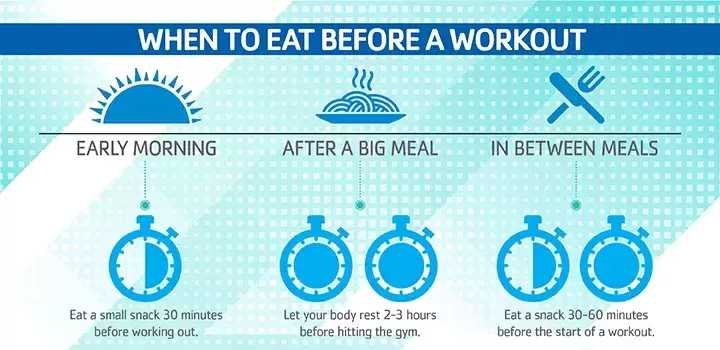
Waiting too long after eating before hitting the gym can lead to discomfort, but working out too soon might cause nausea or indigestion. The general rule is to wait about 30 minutes to 2 hours, depending on what and how much you’ve eaten. The key is to listen to your body and choose the right timing to feel energized rather than sluggish or uncomfortable.
If you’ve just had a small snack, a quick 30-minute wait is usually enough, while a full meal might require a couple of hours before intense exercise. It’s vital to strike a balance—working out too soon after a heavy meal can cause discomfort, but waiting too long might make you lose the energy for an effective workout. Knowing when to exercise after eating can help maximize your performance and keep your digestion smooth.

How Long Should You Workout After Eating?
Understanding the Timing Between Eating and Exercising
Knowing when to exercise after a meal is important for staying comfortable and preventing digestive issues. Many people wonder if they should wait before hitting the gym or going for a run. The right timing depends on what you ate, how much you ate, and your workout intensity.
What Happens During Digestion?
After eating, your body focuses on digesting food. Blood flow increases to the stomach and intestines to help break down nutrients. This process can affect your ability to perform physical activity comfortably. Exercising too soon might cause cramping or discomfort because your body is still busy digesting.
How Long Should You Wait After Eating?
The general recommendation is to wait for a specific period depending on the size and type of meal. Small snacks usually require less time, while larger meals need more. Keep in mind that individual differences play a role, so listen to your body.
Waiting Periods Based on Meal Size
- Small Snack (Yogurt, fruit, or nuts): Wait about 30 minutes to 1 hour
- Moderate Meal (Sandwich or salad): Wait approximately 1 to 2 hours
- Larger Meal (Heavy pasta or fried foods): Wait 2 to 3 hours or more
Impact of Meal Composition on Workout Timing
The type of food you eat influences how long you should wait. Foods rich in carbohydrates digest faster, while those high in fats or proteins take longer. For example, a banana will digest quicker than a bacon cheeseburger.
Foods That Digest Quickly
- Fruits like apples, bananas, or berries
- Yogurt or smoothies
- Oatmeal or light cereal
Foods That Take Longer to Digest
- Fast foods and fried items
- Red meats and cheese
- Rich, creamy dishes or heavy pasta sauces
Effects of Exercising Too Soon After Eating
Exercising immediately after eating can cause discomfort such as nausea, cramping, and indigestion. It may also reduce your workout performance because blood flow is diverted from muscles to your stomach for digestion. This can lead to fatigue faster than usual.
Benefits of Waiting Before Exercising
Waiting allows your body to finish digesting, which can improve your comfort and performance. When you wait the right amount of time, you’ll likely experience fewer stomach issues and have more energy. It also helps prevent problems like acid reflux or nausea.
How to Know If You Are Ready to Exercise
Your body gives signals about readiness. If you feel full, bloated, or uncomfortable, it’s best to wait. On the other hand, if you feel light and energized, you are probably ready for activity.
Signs You Should Wait Longer
- Persistent fullness or bloating
- Nausea or stomach cramps
- Feeling sluggish or overly tired
Adapting Exercise Types and Intensities
If you ate recently and feel ready to move, consider lowering the intensity of your workout. Light activities like walking or stretching are less likely to cause discomfort. Reserve high-intensity workouts for after you’ve digested properly.
Light Activities
- Walking at a comfortable pace
- Light yoga or stretching
- Gentle cycling
High-Intensity Exercises
- Running or sprinting
- Heavy weightlifting
- HIIT (High-Intensity Interval Training)
Additional Tips for Post-Meal Workouts
To make your workouts more enjoyable and effective, consider these tips:
- Drink water before, during, and after exercise to stay hydrated.
- Listen to your body and stop if you feel uncomfortable.
- Eat balanced meals with moderate portions to avoid extremes.
- Allow extra time if you are prone to digestive issues or eat heavier meals.
Related Topics
Pre-Workout Nutrition
Eating the right foods before exercising can boost your energy. Focus on carbs and a little protein, like a banana with peanut butter, 30 to 60 minutes before your workout.
Post-Workout Meals
Refuel with a mix of carbs and protein within 30 to 60 minutes after activity. Options like a protein shake with fruit or a turkey sandwich help muscles recover.
Different Workout Types and Timing
Some workouts, such as strength training or cardio, might affect when you should eat. For instance, a light snack before cardio can give you energy without discomfort, while weightlifting might require more digestion time.
Timing your workout after eating is about finding what works best for your body and your schedule. Waiting long enough after a meal helps prevent discomfort and improves performance. Remember that smaller, lighter foods digest faster, so plan your meals accordingly. Listen to your body’s signals and adjust your exercise timing to stay comfortable and motivated.
Time Your Eating AFTER Lifting Weights!
Frequently Asked Questions
What are the risks of working out immediately after eating?
Exercising right after a meal can cause discomfort, such as nausea, cramping, or indigestion. Your body directs blood flow to digest the food, so working out too soon can interfere with digestion and lead to fatigue or stomach upset. To avoid these issues, it’s best to wait until your body has had enough time to process the meal.
How does the type of food I eat affect my workout timing?
The kind of food you consume influences how long you should wait before exercising. Heavy, high-fat or high-fiber meals take longer to digest, so waiting at least 2–3 hours is advisable. Lighter meals with simple carbohydrates digested more quickly, allowing you to work out after about 30 minutes to an hour.
Is it better to exercise before or after a meal for optimal energy?
Many find that exercising before a meal gives them more energy and prevents discomfort. If you prefer to work out after eating, choose a small, easily digestible snack and wait 30–60 minutes. Listening to your body helps determine the best timing; some people feel more comfortable working out on an empty stomach, while others perform better after a light snack.
Can waiting too long after eating affect workout performance?
Waiting too long after a meal can deplete your energy levels, making it harder to perform high-intensity exercises. If you delay working out excessively, you might feel sluggish or fatigued. For sustained energy, aim to exercise within a reasonable window after your meal, typically within 1 to 2 hours, depending on your meal size and composition.
How should I adjust my workout routine based on my meal timing?
Adjust your workout intensity and duration depending on when you eat. After a larger meal, opt for lighter activities like walking or stretching, and wait at least 2–3 hours. Before a workout, choose smaller, carbohydrate-rich snacks if you haven’t eaten recently. Planning your exercise schedule around your meals helps maintain comfort and energy.
Final Thoughts
Il est préférable d’attendre 30 à 60 minutes après un repas léger avant de faire de l’exercice. Pour un repas copieux, il est conseillé d’attendre 2 à 3 heures pour éviter l’inconfort.
Cela garantit une digestion adéquate et évite les douleurs ou nausées pendant l’entraînement. Écoutez votre corps et ajustez le délai selon votre confort.
En résumé, savoir combien de temps après avoir mangé vous devriez faire de l’exercice dépend du type et de la quantité d’aliments consommés. Le respect de cette règle vous permettra de maximiser vos performances et votre confort.
As an Amazon Associate, We earn from qualifying purchases. When you purchase a product through Amazon links on pulsefitguide.com, we may earn a small commission at no extra cost to you. This helps support the site and keep our content free.