

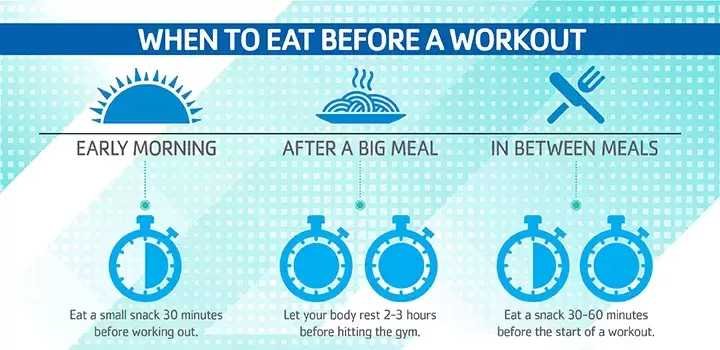
Waiting too long or jumping into a workout immediately after eating can both lead to discomfort or reduced performance. For most people, waiting about 30 minutes to an hour after a light meal or snack is ideal before exercising. The exact time depends on what and how much you’ve eaten, as well as your personal digestion process.
In general, it’s best to listen to your body; waiting about 30 to 60 minutes after eating allows your stomach to settle and helps prevent nausea or cramping during exercise. For larger meals, giving yourself closer to two hours can be more comfortable. Understanding your own digestion and how your body responds is key to finding the perfect window to work out comfortably after eating.

How Long Should You Wait Working Out After Eating?
Many people wonder how long they should wait after eating before starting their workout. This question is common because exercising too soon can cause discomfort, while waiting too long might reduce the benefits of physical activity. Understanding the right timing can help you feel better and perform your best. In this section, we’ll explore the factors that influence how long you should wait after eating before working out.
Why Timing Matters: Digestion and Discomfort
After eating, your body focuses on digesting food. If you exercise immediately, you might experience stomach cramps, nausea, or even vomiting. This discomfort happens because blood flow shifts from your muscles to your digestive system. Waiting allows your body to process the food and reduces these issues.
Different types of food digest at different rates, affecting how long you should wait. Heavy, greasy meals take longer to digest compared to lighter snacks. Knowing what you’ve eaten helps determine the ideal wait time for comfort and performance.
How Long Should You Wait After Eating?
General Guidelines Based on Meal Size
- Large Meals: Wait about 2 to 3 hours before exercising.
- Small Meals or Snacks: Wait 30 minutes to 1 hour.
- Light Snacks: Wait approximately 30 minutes.
These guidelines give your body enough time to start digestion and minimize discomfort during activity. For example, a big pasta dinner should be followed by a workout after a few hours, while a small fruit snack can be consumed sooner.
Types of Food and Their Impact on Workout Timing
Carbohydrates
Foods rich in carbs like bread, pasta, and rice digest quickly. They provide quick energy, making them suitable for pre-workout eating. A light snack of fruits or crackers can be eaten around 30 minutes before exercise.
Proteins
Proteins like chicken, fish, or eggs digest slower and help with muscle repair. Eating a balanced meal containing protein about 2 hours before workout is recommended for sustained energy.
Fats
High-fat foods such as fried foods, cheese, and greasy snacks slow digestion. Wait at least 3 hours after consuming these before working out to avoid discomfort.
Effects of Timing on Exercise Performance and Comfort
Waiting the proper amount of time ensures better performance and less gastrointestinal distress. Exercising too soon after a heavy meal can lead to sluggishness and cramping. Conversely, working out too long after eating may leave you feeling hungry and low on energy.
Choosing the right timing based on meal size and content helps optimize your workout results and keeps discomfort at bay.
Special Considerations for Different Types of Exercise
Low-Intensity Activities
For gentle activities like walking or yoga, you can wait less time after eating. A small snack might be enough to fuel your activity without discomfort.
High-Intensity or Long-Duration Workouts
Intense exercises such as running, weightlifting, or sports require more careful planning. Eating a balanced meal about 2 to 3 hours before gives your body energy without causing nausea.
Post-Workout Nutrition
After working out, it’s important to replenish lost nutrients. Eating a meal rich in proteins and carbs within an hour helps muscle recovery and refueling.
Tips for Timing Your Meal and Workout
- Plan Ahead: Schedule your meals around your workout times to maximize comfort and energy.
- Listen to Your Body: Pay attention to how you feel after eating and before exercising.
- Choose Wisely: Opt for lighter, easily digestible foods before workouts, especially if exercising soon after eating.
Related Topics
Hydration and Its Role in Exercise
Staying hydrated before and during exercise is vital. Drinking water 15 to 30 minutes before working out supports digestion and energy levels.
Pre-Workout Snacks and Meals
Selecting the right snack or meal can improve your workout. Examples include a banana, yogurt, or a small granola bar.
Effects of Exercise Timing on Weight Loss
Some studies suggest exercising in a fasted state or after eating may influence weight loss differently. Choose what works best for your body and goals.
Summary of Key Points
| Meal Type | Waiting Time Before Workout |
|---|---|
| Large Meal (Heavy, greasy) | 2 to 3 hours |
| Small Meal (Light, balanced) | 30 minutes to 1 hour |
| Snack (Fruits, crackers) | 30 minutes |
Following these guidelines can help you avoid discomfort and perform your best. Remember that individual digestion varies, so listen to your body for best results.
Timing your meals and workouts thoughtfully not only improves comfort but also boosts your overall fitness progress. Experiment with different schedules to find what feels best for your body and lifestyle.
Can You Workout Immediately After Eating? | Nutrition Expert Advice
Frequently Asked Questions
How does the type of meal impact the optimal wait time before exercising?
The size and content of your meal influence how long you should wait before working out. Light snacks with easily digestible carbs may only require about 30 minutes to an hour, while larger, high-fat or protein-heavy meals might need 2 to 3 hours for proper digestion. Listening to your body and observing how you feel after eating can help determine when you’re ready to exercise comfortably.
What are the risks of starting to work out too soon after eating?
Exercising immediately after eating can cause discomfort such as nausea, cramping, or indigestion. It may also impair your performance during exercise, as your body diverts blood flow to your digestive system instead of your muscles. Avoiding intensive workouts right after a large meal helps prevent these issues and promotes a more comfortable exercise experience.
Should I adjust the timing based on my workout intensity?
Yes, the intensity of your workout affects how long you should wait after eating. For moderate activities like walking or light cycling, a shorter wait time of about 30-60 minutes might suffice. However, for high-intensity or endurance exercises, waiting at least 2 hours allows your digestion to complete, reducing the risk of discomfort and improving performance.
Can eating smaller meals allow me to work out sooner?
Consuming smaller, balanced snacks can enable you to start exercising sooner compared to larger meals. A small meal rich in easily digestible carbohydrates and some protein might be suitable within 30 minutes to an hour. Keep the portion size modest to avoid feeling sluggish or uncomfortable during your workout.
Is it better to exercise on an empty stomach or after eating?
Both options have pros and cons. Exercising on an empty stomach can enhance fat burning for some individuals but may lead to low energy levels or dizziness during intense workouts. Conversely, eating before exercise provides energy but may cause discomfort if the meal is too heavy. Choose what suits your body’s response and your workout goals, and adjust timing accordingly.
Final Thoughts
Waiting at least 30 minutes after a light meal or 1-2 hours after a heavy meal before working out helps digestion and prevents discomfort. Your body needs time to process food, ensuring you feel energized rather than weighed down.
How long should you wait working out after eating depends on meal size and activity intensity. Listening to your body and choosing the right timing can improve your workout experience.
As an Amazon Associate, We earn from qualifying purchases. When you purchase a product through Amazon links on pulsefitguide.com, we may earn a small commission at no extra cost to you. This helps support the site and keep our content free.