

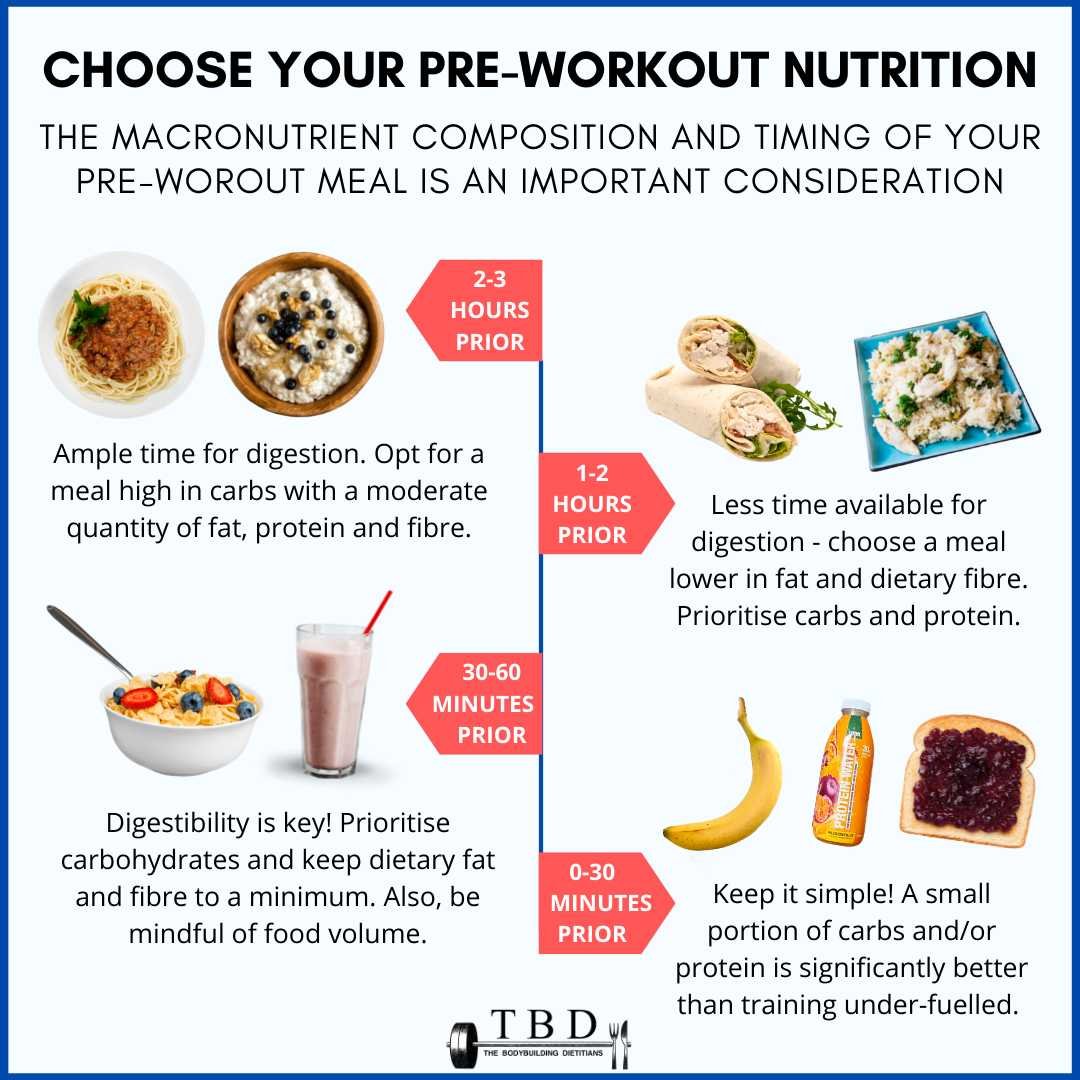
For optimal performance, aim to have your pre-workout meal about 1 to 3 hours before hitting the gym. If you eat too close to your workout, you might feel sluggish, but waiting too long could leave you feeling hungry and less energized. The key is finding the right timing based on your digestion and workout intensity.
In summary, most people should eat their pre-workout meal roughly 1 to 3 hours before exercising, depending on personal comfort and the size of the meal. Smaller, easily digestible snacks can be consumed closer to exercise, while larger meals are best eaten earlier. Proper timing helps maximize energy and minimize discomfort, making your workout more effective.
Getting your pre-workout fueling right can mean the difference between a good session and a great one. When you choose the right foods and time your meal properly, you’ll enjoy sustained energy, improved stamina, and better results. So, how long should you have your pre-workout meal? Generally, 1 to 3 hours before your workout is ideal, but listening to your body is the best guide.

How Long Should You Have a Pre Workout Meal
Understanding the Importance of Timing
Having the right timing for your pre workout meal can make a big difference in how you perform. Eating too early or too late can affect your energy levels and endurance during exercise. To get the best results, it’s important to know how long before your workout to eat.
What Happens When You Eat Too Soon or Too Late
Eating too close to your workout can cause discomfort, such as stomach cramps or nausea. On the other hand, waiting too long might leave you feeling weak or hungry during exercise. Finding the perfect window helps optimize energy and recovery.
General Guidelines for Pre Workout Meal Timing
Most experts recommend eating a meal about 1 to 3 hours before exercising. This window allows your body to digest the food and turn it into usable energy. However, individual needs can vary based on the type and size of the meal.
Factors That Affect Pre Workout Meal Timing
Different factors influence how long before a workout you should eat. These include:
- The size of the meal
- The type of food
- Your personal digestion speed
- The intensity and duration of your workout
Understanding these can help you customize your timing for better performance.
Size and Composition of the Pre Workout Meal
The size and what you eat impact how long before your workout you should eat. Smaller, easily digestible snacks may only require 30 minutes to an hour. Larger meals with more fat and protein might need 2 to 3 hours to digest properly.
What to Eat Before a Workout
Good pre workout foods include:
- Carbohydrates like fruits, oats, or whole grain bread
- Lean proteins such as chicken or yogurt
- Healthy fats like nuts or avocados
Aim for a balanced meal combining these nutrients.
Foods to Avoid Before Exercising
Certain foods can cause discomfort and should be avoided close to workout time:
- High-fat foods that slow digestion
- Heavy or greasy meals
- High-fiber foods that may cause bloating
Examples of Timing Based on Meal Size
Here’s a simple guide:
| Meal Type | Timing Before Workout |
|---|---|
| Small snack (fruit, yogurt) | 30 minutes to 1 hour |
| Light meal (sandwich, smoothie) | 1 to 2 hours |
| Large meal (pasta, steak with vegetables) | 2 to 3 hours |
Personal Factors That Influence Pre Workout Meal Timing
Everyone’s digestion and energy needs are different. Some people may need longer to digest, while others can eat closer to training time. Pay attention to how your body reacts and adjust accordingly.
Digestive Comfort and Timing
If you feel uncomfortable or bloated, try adjusting your meal timing. Smaller, more frequent meals can help maintain energy without causing discomfort.
Type of Workout and Timing
For high-intensity or long sessions, having a substantial meal 2 to 3 hours before can boost endurance. Light workouts may only require a small snack 30 minutes to an hour prior.
Pre Workout Meal for Different Types of Exercise
The timing of your meal can also depend on your activity. For strength training, focus on carbs and protein. For cardio, prioritize easily digestible carbs for quick energy.
Strength Training
Eat 1 to 2 hours before with a mix of carbs and protein to support muscle building and energy.
Cardio Workouts
Consume a light carbohydrate-rich snack about 30 to 60 minutes before to fuel endurance.
Endurance Events
For longer sessions or competitions, a larger meal 2 to 3 hours before and quick carbs closer to start time work best.
Signs You’re Eating at the Right Time
Pay attention to your body to determine if you’re timing your meal correctly. Signs include:
- Stable energy levels
- No stomach discomfort
- Feeling satisfied but not full
- Optimal performance during exercise
Expert Recommendations and Tips
Most fitness professionals agree that listening to your body is key. Experiment with different meal sizes and timing to find what works best. Staying hydrated is equally important, so drink water in the hours leading up to your workout.
Summary of Key Points
- Eat a small snack 30 minutes to 1 hour before for quick energy.
- Larger meals should be eaten 2 to 3 hours prior to allow complete digestion.
- Customize timing based on your personal digestion and workout intensity.
- Avoid heavy, greasy foods close to exercise to prevent discomfort.
- Stay hydrated to maximize performance and recovery.
Additional Tips for Pre Workout Nutrition
To further optimize your pre workout routine:
- Plan your meals ahead to avoid last-minute choices.
- Keep pre workout snacks simple and nutrient-dense.
- Test different timing strategies during training, not on race day or important workouts.
- Combine carbohydrates with a small amount of protein for sustained energy.
Related Topics
Consider exploring:
- Post workout nutrition for faster recovery
- The role of hydration in exercise performance
- Best supplements to enhance workout energy
- Meal planning for workout days
By understanding how long before a workout you should eat and tailoring your meal timing, you can enhance your energy, performance, and recovery. Finding the right balance takes some practice, but with this guidance, you’re on your way to maximizing every workout.
What To Eat Before, During & After Training For Max Muscle Growth
Frequently Asked Questions
How can I determine if I should eat my pre-workout meal sooner or later before exercise?
Listen to your body’s signals and consider your personal digestion rate. If you feel sluggish or hungry during workouts, try adjusting the timing of your meal. For heavier, more substantial meals, eating 2-3 hours before exercise often works best. If you prefer lighter snacks, consume them about 30-60 minutes prior. Experiment with different timings to see what helps you perform at your best without discomfort.
What are the common signs that indicate my pre-workout meal timing is off?
If you experience bloating, stomach discomfort, or sluggishness during your workout, your meal timing might need adjustment. Feeling excessively hungry or low on energy during exercise can also show that you haven’t eaten enough or too long ago. Conversely, feeling overly full or nauseous suggests you’ve eaten too close to your session. Pay attention to how your body responds and modify your meal schedule accordingly.
Are there benefits to having a smaller snack closer to my workout instead of a full meal?
Yes, consuming a light snack about 30-60 minutes before exercising provides quick energy without causing discomfort. Small, easily digestible foods rich in carbohydrates and moderate in protein can help sustain your energy levels during your workout. This approach can be especially helpful if you find a full meal too heavy or if you’re pressed for time.
How does the type of food I eat influence the timing of my pre-workout meal?
The foods you choose impact how long they take to digest. Carbohydrate-rich foods digest faster, making them ideal closer to your workout. Protein and healthy fats take longer to break down, so consume them earlier to prevent feeling full or sluggish. Opting for easily digestible carbs like fruits or sports bars can offer quick energy, while more substantial meals should be planned 2-3 hours beforehand.
Should I adjust my pre-workout meal timing based on the intensity or duration of my workout?
Yes, for longer or more intense sessions, eating a well-balanced meal 2-3 hours before can provide sustained energy. For shorter or lighter workouts, a small snack about 30-60 minutes prior often suffices. Adjust your meal timing based on how your body responds and the demands of your exercise to optimize performance and comfort.
Final Thoughts
The optimal timing for a pre workout meal typically ranges from 30 minutes to 2 hours before exercising. This window allows your body to digest and absorb nutrients effectively, providing fuel without causing discomfort.
How long should you have a pre workout meal depends on your personal digestion and workout intensity. Eating too close to your session might lead to stomach issues, while waiting too long could leave you without enough energy.
In summary, aim to have your pre workout meal about 1 to 2 hours ahead of your workout for best results. This ensures you’re energized without feeling weighed down during your exercise.
As an Amazon Associate, We earn from qualifying purchases. When you purchase a product through Amazon links on pulsefitguide.com, we may earn a small commission at no extra cost to you. This helps support the site and keep our content free.