

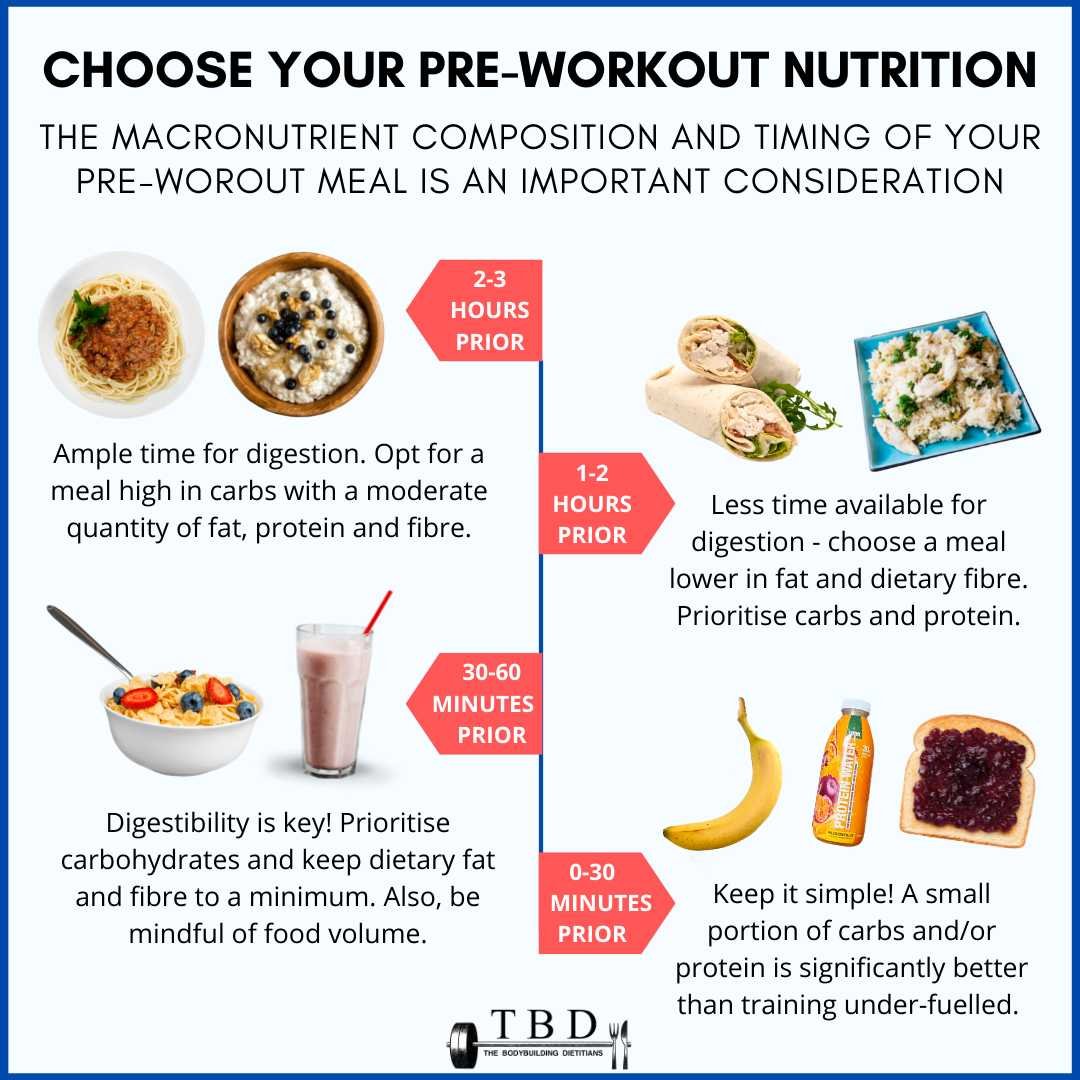
Eat your pre-workout meal about 30 to 60 minutes before hitting the gym for optimal energy and digestion. The timing depends on the size and composition of your meal, but generally, this window allows your body to absorb nutrients without feeling too full or sluggish.
To perform your best, plan to eat your pre-workout meal roughly half an hour to an hour before exercising. This timing helps you maximize energy levels, prevent discomfort, and enhance workout performance. Knowing how long before your workout to eat can make all the difference between a sluggish session and an energizing workout.
Getting your pre-workout nutrition just right is key to reaching your fitness goals. Many people wonder how long they should wait after eating to exercise effectively. The answer depends on what and how much you eat, but generally, giving yourself about 30 to 60 minutes allows your body to digest the food properly, ensuring you have enough fuel without feeling weighed down or uncomfortable during your workout.

How Long Should You Eat Your Pre Workout Meal
Understanding exactly *how long* before your workout you should eat your pre workout meal can make a big difference in your performance and recovery. Timing is key to ensure you get the energy you need without feeling sluggish or uncomfortable during exercise. In this section, we will explore the ideal timing for consuming your pre workout meal and how it impacts your workout results.
Why Timing Matters for Your Pre Workout Meal
Eating your pre workout meal at the right time helps your body digest food properly and provides the fuel needed for exercise. If you eat too close to your workout, you might feel bloated or experience stomach discomfort. On the other hand, eating too early can leave you feeling low on energy.
Proper timing ensures that nutrients are available in your bloodstream when you start exercising. This can boost endurance, strength, and focus, leading to better workout results. It also helps prevent fatigue and muscle breakdown during intense activity.
Optimal Time Frames for Pre Workout Eating
The general recommendation depends on the size and composition of your meal. Here are the typical time frames:
- Large Meal: Eat 3 to 4 hours before exercise.
- Small Meal or Snack: Eat 30 minutes to 2 hours before workout.
Understanding these windows can help you plan your meals better and optimize your energy levels during exercise.
Eating 3 to 4 Hours Before Workout
When you have a substantial meal, such as a balanced combination of carbs, proteins, and fats, it takes longer to digest. Eating 3 to 4 hours before ensures your body has enough time to process this food. Examples include a chicken sandwich with vegetables or a bowl of oatmeal with fruit and nuts.
This timing allows you to workout with high energy levels without feeling overly full or sluggish. It also helps prevent stomach upset during intense activity.
Why Smaller Meals and Snacks Should Be Eaten Closer to Workout Time
Smaller meals or snacks are easier to digest and can be eaten closer to your workout. Eating 30 minutes to 2 hours before allows quick absorption of energy. Good options include a banana with peanut butter, a protein shake, or a handful of trail mix.
These smaller portions prevent you from feeling overly full and help maintain steady blood sugar levels. They provide quick energy without causing discomfort or indigestion during exercise.
How to Choose the Right Pre Workout Meal
The best pre workout meal should contain primarily **complex carbohydrates** for sustained energy and moderate **protein** to support muscle function. Avoid high-fat or high-fiber foods that digest slowly and can cause stomach problems.
Some ideal options include:
- Oatmeal with fruit and nuts
- Whole grain bread with peanut butter
- Greek yogurt with honey and berries
- Banana with almond butter
Hydration is equally important, so drink water before, during, and after your meal to stay well-hydrated.
Impact of Meal Composition on Timing
The type of food you eat influences how long before you should workout. High-fat foods digest slowly, meaning you should wait longer—around 4 hours. On the contrary, carbohydrate-rich meals are processed faster, requiring less time.
For example:
| Meal Type | Recommended Timing |
|---|---|
| High-fat meal | 4 or more hours before exercise |
| High-protein, moderate-carb meal | 3 to 4 hours before |
| Light snack or fruit | 30 minutes to 2 hours before |
Adjust your timing based on your specific meal and how your body reacts to different foods.
Signs You Need to Adjust Your Pre Workout Eating Schedule
If you feel sluggish or suffer stomach issues during your workout, you might need to change your eating timing. Common signs include:
- Feeling overly full or bloated during exercise
- Experiencing hunger during workout
- Feeling weak or low-energy
- Digestive discomfort or nausea
Listen to your body and experiment with different timing to find what works best for you.
Special Considerations for Different Workout Types
The timing may vary depending on the nature of your workout. For instance, high-intensity or long-duration exercises may require more strategic fueling. Here are some tips:
For Cardio or Endurance Workouts
Eating 1 to 3 hours before can improve stamina and delay fatigue. Include easily digestible carbs like a banana or energy bar.
For Strength Training and Weightlifting
Opt for a meal 2 to 3 hours before, focusing on moderate carbs and protein. This supports muscle performance and recovery.
For Quick or Short Workouts
A small snack 30 minutes prior, like a few crackers or a fruit, provides enough energy without weighing you down.
Hydration and Its Role in Meal Timing
Proper hydration complements your pre workout meal. Drinking water before and after eating helps digestion and ensures your muscles are ready to perform.
Aim to consume at least 8 ounces of water 30 minutes before your workout. During exercise, sip water regularly to stay hydrated and maintain performance.
Knowing *how long* to eat your pre workout meal can significantly enhance your exercise performance and comfort. Tailor your timing to your meal size, composition, and workout type. Paying attention to your body’s signals and adjusting accordingly ensures you get the most energy without discomfort. With a proper plan, you can enjoy better workouts, faster recovery, and improved results.
The Best Pre & Post-Workout Meals (According To Science)
Frequently Asked Questions
How can meal timing influence workout performance?
Eating your pre workout meal at the right time provides necessary energy for your session and prevents discomfort during exercise. Consuming a balanced meal too early might leave you feeling hungry, while eating too close to your workout can cause nausea or indigestion. Planning your meal 30 minutes to 2 hours prior ensures you have optimal energy without feeling overly full, helping you stay focused and perform better.
What are the signs that I need to adjust my pre workout eating schedule?
If you experience fatigue, lack of energy, or digestive discomfort during exercise, it could indicate your meal timing needs adjustment. Feeling overly hungry or excessively full can also hinder your performance. Pay attention to how your body responds after different meal timings to find the optimal window that keeps you energized and comfortable during workouts.
Does the type of food I eat affect the timing of my pre workout meal?
Yes, the foods you choose influence how quickly your body digests and provides energy. Carbohydrate-rich foods are quickly processed and provide immediate energy, so they are ideal if you eat closer to your workout. Protein and fats digest more slowly, so including them in your meal means you should plan to eat earlier to avoid discomfort. Selecting easily digestible foods helps sustain energy levels without causing stomach issues during exercise.
Final Thoughts
The ideal timing for your pre workout meal depends on the type and size of what you eat. Generally, eating 30 to 60 minutes before exercise allows your body to digest comfortably.
Eating too early may result in hunger during your workout, while eating too late can cause discomfort.
How long should you eat your pre workout meal? Stick to a window of 30-60 minutes to maximize energy and avoid digestion issues.
As an Amazon Associate, We earn from qualifying purchases. When you purchase a product through Amazon links on pulsefitguide.com, we may earn a small commission at no extra cost to you. This helps support the site and keep our content free.