


Quick Summary: Losing fat means steady changes over time. Water weight is quick ups and downs. Focus on consistent habits, not just the scale, to see real fat loss! You’ve got this!
Hey there, fitness friend! Feeling a bit confused about what that number on the scale is actually telling you? It’s totally normal to wonder if you’re shedding stubborn fat or just saying goodbye to some temporary water. We’ve all been there, staring at the scale and trying to figure out what’s really happening. But don’t worry, I’m here to break it down super simply for you. We’re going to make sense of it all, so you know exactly what’s going on with your body. Let’s get you feeling confident and in the know about your progress!
Why the Scale Can Be Tricky
The scale can be a useful tool, but it’s not the whole story. Lots of things can make the number go up or down, and not all of them are about fat loss. It’s like a puzzle with many pieces!
Sometimes you might see a big drop quickly. That’s often water weight. Other times, the scale might not move much, but your clothes feel looser. That’s usually fat loss happening! Understanding the difference helps you stay motivated and focused on what truly matters.
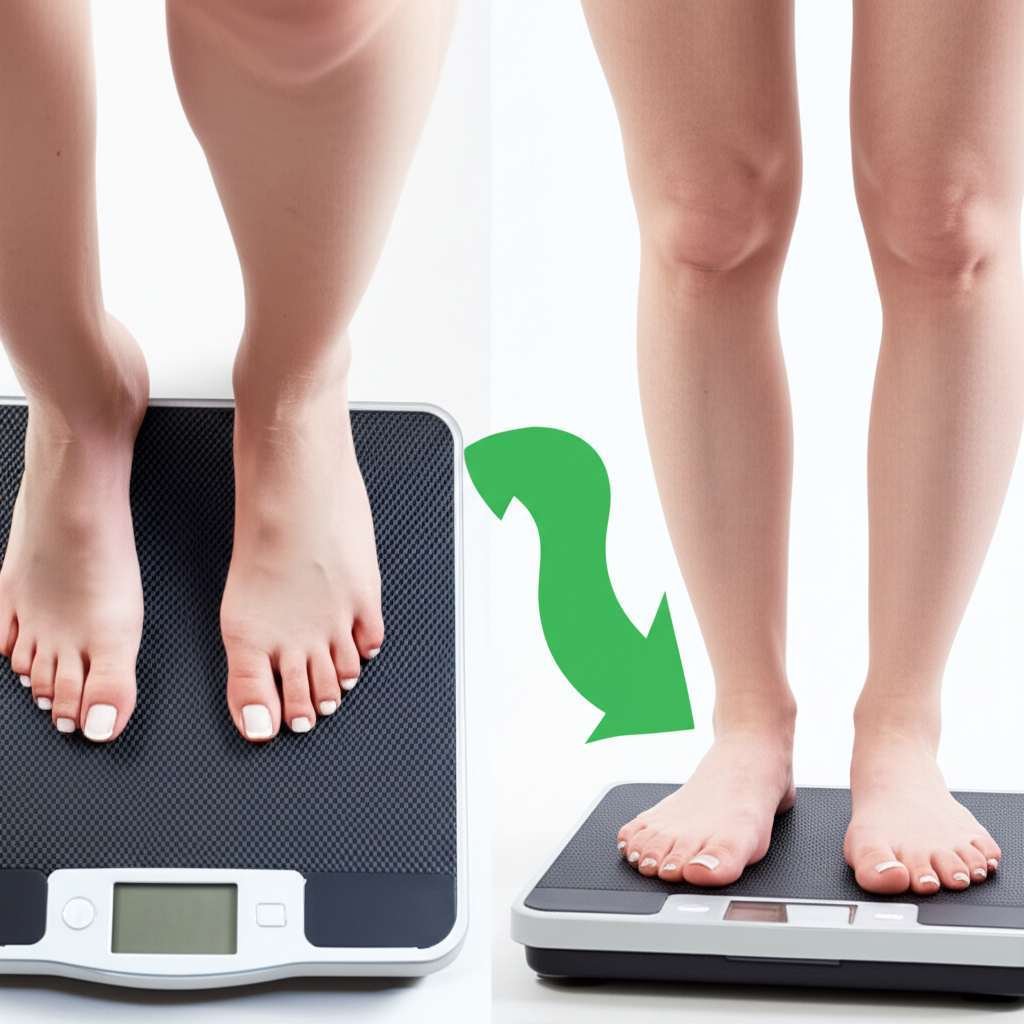
Spotting Water Weight: The Quick Changes
Water weight is like a guest that comes and goes quickly. It can make your weight fluctuate a lot from day to day. Think of it as temporary puffiness.
Signs you might be losing water weight:
- Sudden Weight Drops: You wake up one morning and the scale is down several pounds. This is a big clue it’s water.
- Feeling Bloated or Less Bloated: If you suddenly feel less puffy, it could be water leaving your body.
- Changes after Eating Salty Foods: Eating a lot of salt can make your body hold onto more water. Cutting back can lead to a quick drop.
- Starting a New Diet or Exercise: When you first start, your body might lose water as it adjusts.
Water weight is normal. It’s not a sign of failure, just your body doing its thing. The key is not to get too caught up in these quick changes.
Recognizing Fat Loss: The Steady Progress
Fat loss is a slower, more consistent journey. It’s about making real changes that last. You won’t see huge drops overnight, but you’ll notice them over weeks and months.
Signs you’re losing body fat:
- Clothes Fitting Looser: This is a super common and great sign! Even if the scale doesn’t budge much, your favorite jeans might start to feel comfortable again.
- Body Composition Changes: Your body shape starts to change. You might see more muscle definition.
- Sustained Weight Loss: The scale goes down steadily, maybe 1-2 pounds per week, and stays down.
- More Energy: As you lose fat and gain fitness, you’ll likely feel more energetic.
- Improved Health Markers: Things like blood pressure or cholesterol might improve over time.
Fat loss is the goal for long-term health and a stronger body. It takes patience and consistent effort, but it’s so worth it!
How Your Habits Affect Water and Fat
What you do every day directly impacts both water and fat. Let’s look at how!
Diet’s Role
What you eat plays a huge part. Carbs, salt, and hydration all influence water weight. Calories and nutrient balance are key for fat loss.
- Carbohydrates: Your body stores carbs with water. Eating fewer carbs can lead to a quick drop in water weight.
- Sodium (Salt): Too much salt makes your body hold onto water, causing puffiness and a higher scale number.
- Hydration: Drinking enough water actually helps your body release extra water! Dehydration can make you retain more.
- Calories: To lose fat, you need to burn more calories than you eat. This is the core principle of fat loss.
Exercise’s Impact
Moving your body helps with both, but in different ways.
- Cardio (like running, cycling): Great for burning calories and helping with fat loss. It can also make you sweat, releasing some water.
- Strength Training (lifting weights): Builds muscle. Muscle burns more calories at rest, which helps with long-term fat loss. It can also cause temporary water retention due to muscle repair.
- High-Intensity Interval Training (HIIT): Burns a lot of calories in a short time, excellent for fat loss.
Sleep and Stress
Don’t forget these! They matter more than you think.
- Sleep: Poor sleep can mess with hormones that control appetite and fat storage. It can also increase water retention.
- Stress: High stress levels can lead to your body storing more fat, especially around your belly. It can also affect water balance.
When to Measure Your Progress
To get a clear picture, pick a good time to check in. Consistency is key!
Weighing Yourself
If you weigh yourself, do it at the same time every day. Morning, after you use the restroom, and before you eat or drink anything is best.
- Don’t Obsess Daily: Look at the trend over a week or two, not just one day’s number.
- Understand Fluctuations: Know that your weight will naturally go up and down.
Other Ways to Track Progress
The scale isn’t the only way to see results!
- Take Measurements: Use a tape measure on your waist, hips, arms, and thighs. This shows inches lost from fat.
- Take Progress Photos: Snap a photo in the same outfit, lighting, and pose every few weeks. You’ll see changes your eyes might miss.
- How Your Clothes Fit: This is a fantastic, real-world indicator of fat loss.
- How You Feel: Are you more energetic? Stronger? Sleeping better? These are huge wins!
Common Mistakes to Avoid
Let’s steer clear of the traps that can make you feel discouraged.
- Focusing Only on the Scale: This is the biggest one! It ignores all the other amazing progress you’re making.
- Getting Discouraged by Daily Swings: A pound up or down doesn’t ruin your progress. It’s just a snapshot.
- Crash Dieting: These often lead to losing water weight and muscle, not sustainable fat. They can also slow your metabolism.
- Not Drinking Enough Water: You need water to help your body function and even release stored fat.
- Skipping Strength Training: Building muscle is crucial for long-term fat burning and a toned physique.
A Sample Plan to Get You Started
Here’s a simple plan to help you focus on healthy habits that promote fat loss.
Daily Routine Ideas
- Morning: Drink a big glass of water. Do 10-15 minutes of light activity like stretching or a brisk walk.
- Mid-day: Eat a balanced lunch with lean protein, veggies, and a healthy carb.
- Afternoon: Go for a walk or do a short workout.
- Evening: Have a healthy dinner. Wind down an hour before bed – no screens!
- Throughout the Day: Drink water consistently.
Simple Meal Ideas
Think balanced and delicious!
- Breakfast: Oatmeal with berries and a few nuts, or scrambled eggs with spinach.
- Lunch: Large salad with grilled chicken or chickpeas, lots of colorful veggies, and a light vinaigrette.
- Dinner: Baked salmon with roasted broccoli and quinoa, or lean ground turkey stir-fry with brown rice and mixed vegetables.
- Snacks: Apple slices with peanut butter, Greek yogurt with a sprinkle of seeds, or a handful of almonds.
Workout Mix for Fat Loss
A mix of cardio and strength is best!
| Workout Type | Focus | Example | Frequency |
|---|---|---|---|
| Cardio | Calorie Burning, Heart Health | Brisk Walking, Jogging, Cycling, Dancing | 3-4 times per week |
| Strength Training | Muscle Building, Metabolism Boost | Bodyweight squats, Push-ups, Lunges, Dumbbell rows | 2-3 times per week (non-consecutive days) |
| HIIT (High-Intensity Interval Training) | Maximum Calorie Burn in Short Time | Jumping jacks, Burpees, High knees, Sprints (alternating intense bursts with rest) | 1-2 times per week (allow recovery) |
Remember, start where you are! If you’re new, begin with shorter durations and fewer days, and build up gradually. Consistency over intensity is your motto!
Understanding Your Body’s Signals
Your body is smart! Pay attention to what it’s telling you. Are you feeling stronger? Is your energy improving? These are signs you’re on the right track with fat loss.
If you’re constantly feeling drained or overly hungry, it might be a sign your plan is too aggressive or not balanced. Listen to your body and adjust as needed. It’s about feeling good and healthy, not just a number.
For more in-depth guidance on nutrition and exercise, trusted sources like the Healthline website offer a wealth of information.
Frequently Asked Questions (FAQ)
How long does it take to burn fat?
Fat loss is a marathon, not a sprint! You might see results in a few weeks, but significant, noticeable fat loss typically takes months of consistent effort. Patience is key!
What’s the best time to work out?
The best time is whenever you can stick with it! Some people love mornings to kickstart their day, while others prefer evenings to de-stress. Find your sweet spot!
Do I need a gym to lose weight?
Absolutely not! You can burn fat and build muscle with bodyweight exercises at home, using resistance bands, or even just going for walks or runs outside. Your neighborhood is your gym!
How can I stay motivated every day?
Set small, achievable goals! Celebrate your wins, find a workout buddy, try new activities to keep it fun, and remember WHY you started. Focus on how good you feel after a workout!
What should I eat before or after exercise?
Before, a small, easy-to-digest snack like a banana or a small handful of nuts can give you energy. After, focus on protein and carbs to help your muscles recover, like Greek yogurt or a chicken breast with sweet potato.
How much water should I drink daily?
A good general guideline is about 8 cups (64 ounces) a day, but this can vary based on your activity level and climate. Listen to your thirst – it’s your body’s signal!
How many rest days should I take?
Rest days are super important for muscle repair and preventing burnout. Aim for 1-2 rest days per week, or listen to your body – if you’re feeling exhausted, take an extra day!
Your Progress is a Journey
Remember, the goal is sustainable fat loss, not just quick drops in water weight. By focusing on consistent, healthy habits – eating well, moving your body regularly, getting enough sleep, and managing stress – you’ll see real, lasting changes.
Don’t get discouraged by the daily ups and downs of the scale. Look at the bigger picture: how your clothes fit, how you feel, and your energy levels. These are your true indicators of success!
Keep up the amazing work! Every healthy choice you make is a step forward. You are stronger and more capable than you know. You’ve got this — one step, one day at a time!
As an Amazon Associate, We earn from qualifying purchases. When you purchase a product through Amazon links on pulsefitguide.com, we may earn a small commission at no extra cost to you. This helps support the site and keep our content free.
