


You’re burning fat when your body feels warmer, you’re breathing a little harder, and you have a good amount of energy. It’s not just about sweat; it’s about sustained effort that gets your heart pumping and your metabolism working!
Feeling a little unsure about your workouts? You’re not alone! Many of us start exercising hoping to shed some pounds and feel healthier, but then wonder, “Am I actually burning fat right now?” It’s a super common question, and the good news is, you don’t need fancy gadgets to figure it out. We’re going to break it down in a way that’s easy to understand. Forget complicated charts and confusing science talk. We’re here to make fitness feel simple, fun, and totally doable. Get ready to feel confident about your efforts and energized to keep going! Let’s dive in and learn how to tell if your hard work is paying off!
Feel the Heat: Your Body’s Fat-Burning Signals
Your body gives you clues when it’s working hard to burn fat. You just need to know what to look for! It’s like your body sending you little “great job!” signals.
The Warm-Up Wonders
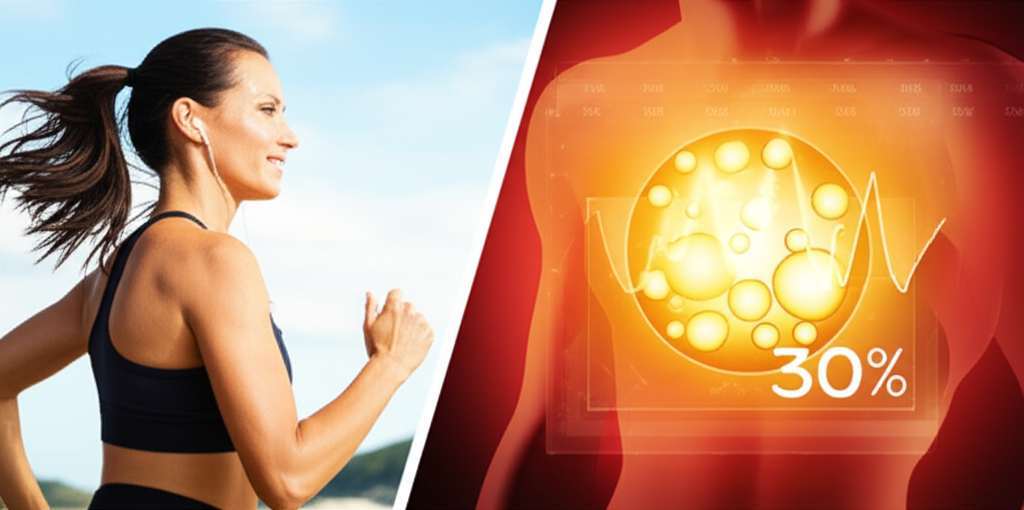
As you start moving, your body temperature naturally goes up. This is a sign that your metabolism is kicking into gear. Think of it as your internal engine starting to run.
The Breathing Beat
You should feel like you’re working, but still able to talk in short sentences. If you can sing a song, you might need to pick up the pace a bit. If you can’t speak at all, you might be pushing too hard. Finding that sweet spot is key!
The Energy Surge (and Dip)
While you might feel tired towards the end of a good session, the overall feeling should be one of accomplishment and increased energy afterward. This is your body using stored fat for fuel.
Listen to Your Heart: The Power of Heart Rate Zones
Your heart rate is a fantastic indicator of how hard you’re working. Different heart rate zones mean different things for fat burning.
What’s Your Target Zone?
For optimal fat burning, aim for a moderate intensity. This is often called the “fat-burning zone.” It’s usually around 60-70% of your maximum heart rate.
How to Find Your Max Heart Rate
A simple way to estimate your maximum heart rate is to subtract your age from 220. For example, if you’re 30, your estimated max heart rate is 190 beats per minute (220 – 30 = 190).
Calculating Your Fat-Burning Zone
To find your fat-burning zone (60-70%), multiply your max heart rate by 0.60 and 0.70.
Example: For a 30-year-old with a max heart rate of 190:
Lower end: 190 0.60 = 114 beats per minute (bpm)
Upper end: 190 0.70 = 133 bpm
So, a 30-year-old would aim for a heart rate between 114-133 bpm during exercise.
Tools to Help You
Many fitness trackers and smartwatches can monitor your heart rate during workouts. Some gym equipment also has this feature. If you don’t have one, you can learn to take your pulse manually!
Manual Pulse Check:
- Place your index and middle fingers on your wrist, just below the thumb.
- Count the number of beats for 30 seconds and multiply by 2.
- Or, count for 10 seconds and multiply by 6.
Perceived Exertion: How Hard Does it FEEL?
This is a simple, no-tech way to gauge your effort. It’s all about how you feel during your workout.
The “Talk Test”
As mentioned before, this is a great guide.
Low Intensity: You can sing a song easily.
Moderate Intensity: You can talk in full sentences, but you’re breathing noticeably. This is your sweet spot for fat burning!
High Intensity: You can only speak a few words at a time. This burns more calories overall but might not be sustainable for long periods for fat burning.
Rate Your Effort
Think of a scale from 1 to 10, where 1 is resting and 10 is maximum effort. For fat burning, aim for a 4-6. You should feel challenged but not completely wiped out.
Beyond the Sweat: Other Fat-Burning Clues
Sweat is a sign you’re working, but it doesn’t directly equal fat burning. Your body cools itself through sweat. Other signs are more telling.
The Post-Workout Glow
After a good fat-burning session, you might feel a pleasant sense of fatigue. Your body feels energized, and you might even feel a bit lighter. This is your body happily using fat stores.
Improved Stamina Over Time
As you get fitter, you’ll notice you can exercise for longer or at a higher intensity without getting as tired. This means your body is becoming more efficient at using fat for fuel. That’s progress!
Changes in Body Composition
This is the most reliable long-term sign! If you’re losing inches from your waist, hips, or thighs, and perhaps seeing more muscle definition, you are definitely burning fat. Clothes fitting better is a huge win!
The “Afterburn” Effect (EPOC)
This is called Excess Post-exercise Oxygen Consumption. After a tough workout, your body continues to burn calories at a higher rate to recover. This effect is more pronounced after high-intensity interval training (HIIT).
Workout Types and Their Fat-Burning Power
Different exercises torch calories and fat in unique ways. Here’s a quick look at some popular options!
| Workout Type | How it Burns Fat | Beginner Tip |
|---|---|---|
| Cardio (e.g., brisk walking, jogging, cycling) | Burns calories steadily during the activity. Good for building endurance. | Start with 20-30 minutes, 3-4 times a week. Gradually increase duration or intensity. |
| High-Intensity Interval Training (HIIT) | Short bursts of intense exercise followed by brief rest. Burns lots of calories in less time and boosts metabolism for hours (EPOC). | Begin with 1-2 sessions per week. Focus on proper form. Listen to your body! |
| Strength Training (e.g., lifting weights, bodyweight exercises) | Builds muscle, which increases your resting metabolism. More muscle means you burn more calories even when you’re not exercising. | Aim for 2-3 full-body sessions per week. Start with lighter weights and focus on mastering the movements. |
| Zumba/Dance Fitness | Fun, continuous movement that elevates your heart rate and burns calories. | Find a beginner class and just move! Don’t worry about perfection, just enjoy the rhythm. |
Fueling Your Fat Burn: What to Eat and Drink
What you eat plays a HUGE role in your fat-burning journey. Think of food as the fuel for your fire!
Hydration is Key
Water is your best friend for fat burning. It helps your body function efficiently and can even help you feel fuller.
Aim for at least 8 glasses (about 2 liters) of water a day.
Drink more on workout days.
Sip water before, during, and after exercise.
Smart Food Choices
Focus on whole, unprocessed foods. These give you sustained energy and essential nutrients.
Lean Proteins: Chicken breast, fish, beans, lentils, tofu. Protein helps build muscle and keeps you feeling full.
Healthy Fats: Avocados, nuts, seeds, olive oil. These are important for hormone health and can aid fat metabolism.
Complex Carbohydrates: Whole grains (oats, quinoa, brown rice), fruits, vegetables. These provide lasting energy for your workouts.
Lots of Veggies and Fruits: They are packed with vitamins, minerals, and fiber, and are generally low in calories.
What to Limit
Sugary drinks, processed snacks, and excessive amounts of saturated fats can hinder your progress. They often provide empty calories and can lead to energy crashes.
Pre- and Post-Workout Nutrition
Before Exercise: A small snack with carbs and a little protein about 1-2 hours before can give you energy. Think a banana with a few almonds or a small yogurt.
After Exercise: Replenish your body with protein and carbs within an hour or two. This helps muscle recovery. A smoothie with protein powder and fruit, or chicken and sweet potato, works well.
Consistency is King: Making Fat Burning a Habit
Burning fat isn’t about one killer workout; it’s about showing up consistently. Small, regular efforts add up to big results!
The Power of Routine
Try to schedule your workouts like any other important appointment. When it’s in your calendar, you’re more likely to stick to it.
Listen to Your Body, But Push a Little
Rest days are crucial for recovery and muscle repair. But on workout days, try to push yourself just a little bit beyond your comfort zone. That’s where the magic happens!
Track Your Progress
Seeing how far you’ve come is incredibly motivating!
Workout Log: Note down what exercises you did, for how long, and how you felt.
Body Measurements: Take measurements of your waist, hips, etc., every few weeks.
* How Your Clothes Fit: This is a great, real-world indicator!
Sample Progress Tracker
| Metric | Start of Month | Mid-Month | End of Month |
|---|---|---|---|
| Weight (lbs) | [Your Starting Weight] | ||
| Waist (inches) | [Your Starting Waist Size] | ||
| Workout Frequency (sessions/week) | [e.g., 3] | ||
| Energy Level (1-5 scale) | [e.g., 3] | ||
| Notes (e.g., feeling stronger, sleep better) |
Common Pitfalls to Avoid
Even with the best intentions, we can sometimes fall into common traps. Let’s steer clear of these!
Mistake 1: Doing Too Much Too Soon
Jumping into intense workouts every day can lead to burnout or injury. Start slow and build up your fitness gradually. Your body will thank you!
Mistake 2: Relying Only on the Scale
The scale doesn’t tell the whole story. Muscle weighs more than fat by volume. You might be losing fat and gaining muscle, so your weight stays the same or even increases slightly. Focus on how you feel and how your clothes fit!
Mistake 3: Not Eating Enough
Severe calorie restriction can slow your metabolism and make it harder for your body to burn fat. You need fuel to power your workouts and build muscle.
Mistake 4: Skipping Rest Days
Your muscles need time to repair and grow. Overtraining can be counterproductive and lead to fatigue and plateaus.
Mistake 5: Focusing Only on Cardio
While cardio is great, don’t forget strength training! Building muscle is key for long-term fat burning and a healthy metabolism.
Frequently Asked Questions
Got more questions? No worries, I’ve got you covered!
- How long does it take to burn fat?
- Fat burning is a continuous process! You start burning fat within minutes of moderate exercise. Consistent workouts and healthy eating over weeks and months lead to noticeable fat loss. Progress is personal, so be patient and celebrate every step!
- What’s the best time to work out for fat burning?
- The best time is whenever you can consistently do it! Some people find morning workouts boost their metabolism all day, while others prefer evening sessions. The most important thing is finding a time that fits YOUR schedule and energy levels.
- Do I need a gym to burn fat?
- Absolutely not! You can burn tons of fat at home or outdoors. Bodyweight exercises, brisk walking, jogging, cycling, or even dancing can be incredibly effective. Many online resources offer great home workouts too!
- How can I stay motivated every day?
- Set realistic goals, find an accountability buddy, try new activities to keep things fun, and reward yourself for milestones. Remember why you started! Celebrate small wins – they add up to big success!
- What should I eat before or after exercise?
- Before, a small carb-rich snack (like fruit) about an hour before can give you energy. After, focus on a mix of protein and carbs within a couple of hours to help muscles recover and refuel. Think Greek yogurt with berries or a turkey sandwich on whole wheat.
- How much water should I drink daily?
- Aim for at least 8 glasses (about 2 liters) of water per day. Increase this if you’re exercising, especially in warm weather. Staying hydrated is super important for all your body’s functions, including fat burning!
- How many rest days should I take?
- Listen to your body! For most beginners, 1-2 rest days per week are great. This allows your muscles to recover and rebuild. You can do light activities like stretching or walking on rest days if you feel up to it.
You’ve Got This!
Figuring out if you’re burning fat during exercise is all about tuning into your body’s signals and being consistent. It’s about feeling that gentle warmth, noticing your breathing quicken, and knowing you’re pushing yourself in a healthy way. Remember, every step you take, every drop of sweat, and every healthy choice is a win.
Don’t aim for perfection, aim for progress. Celebrate the small victories, learn from every workout, and keep moving forward. You are stronger and more capable than you think! Keep up the amazing work, and remember, you’re on a fantastic journey to a healthier, happier you. You’ve got this — one step, one day at a time!
As an Amazon Associate, We earn from qualifying purchases. When you purchase a product through Amazon links on pulsefitguide.com, we may earn a small commission at no extra cost to you. This helps support the site and keep our content free.
