



Yes, you can absolutely tell if your body is burning fat by looking for specific, often subtle, signs. These indicators, from changes in your energy levels to how your clothes fit, can help you confirm your body is using stored fat for fuel, even if the scale isn’t moving dramatically.
You’re working hard, right? You’re trying to eat well and maybe even squeeze in some exercise. But then comes that nagging question: is it actually working? It can be so confusing to know if your body is truly burning fat, especially when the scale doesn’t always tell the whole story.
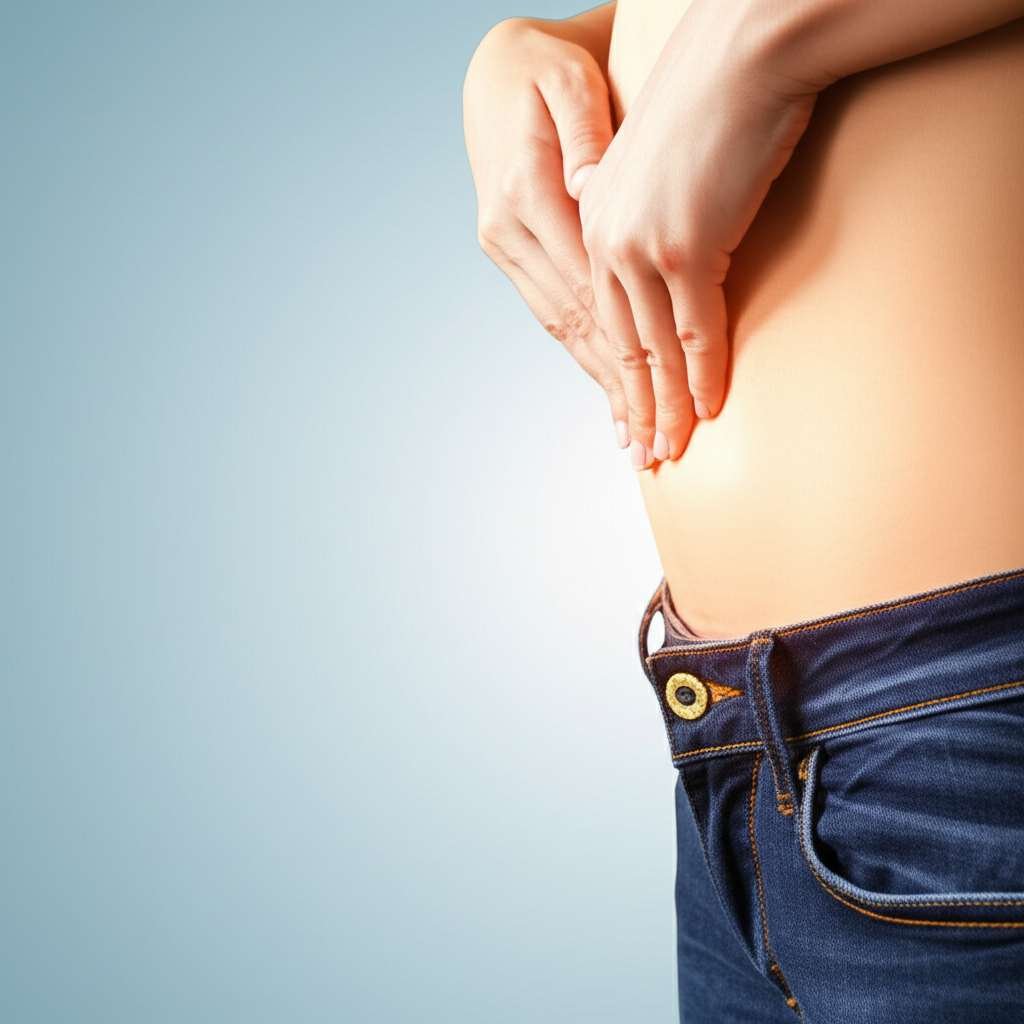
You’re not alone in feeling this way! Many people find the process of understanding their body’s fat-burning signals a bit mysterious. It’s like trying to solve a puzzle with missing pieces.
But here’s the good news: your body sends out signals, and once you know what to look for, you can feel more confident about your progress. Think of these as little “success messages” from your body.
This guide is designed to break down those signs in a simple, easy-to-understand way. We’ll cover everything from what you feel to what you see, helping you decode what your body is telling you.
Get ready to discover the amazing signs that show your body is on the path to burning fat!
Understanding How Your Body Burns Fat
Before we dive into the signs, let’s quickly touch on how your body uses fat. When you consume fewer calories than your body needs, or when you exercise, your body looks for alternative energy sources. Your fat stores are a prime target!
Your body breaks down stored fat (triglycerides) into fatty acids and glycerol. These are then released into your bloodstream and can be used by your cells for energy. This process is called lipolysis.
Think of it like this: your body has a pantry full of energy. When the fresh food (calories from what you eat) runs low, it starts to pull out the stored snacks (fat) to keep you going. This is a natural and healthy process!
Amazing Signs Your Body Is Burning Fat
So, how do you know if this fat-burning magic is happening? It’s not just about the number on the scale. Here are some key indicators to watch out for:
1. Changes in Your Energy Levels
One of the first things many people notice when their body starts burning fat more efficiently is a change in their energy.
More Stable Energy: Instead of energy spikes and crashes, you might feel a more consistent level of energy throughout the day. This is because fat provides a steady, long-lasting fuel source, unlike quick-burning carbohydrates.
Increased Stamina: You might find you can exercise for longer or with more intensity without feeling completely drained. Your body is tapping into a deeper energy reserve.
Reduced “Brain Fog”: Stable energy can also lead to clearer thinking. When your body is well-fueled by fat, your brain functions more smoothly.
2. How Your Clothes Fit
This is a classic and often very reliable sign! Sometimes the scale doesn’t budge much, but your clothes start to feel looser.
Waistband Loosens: Notice if your jeans or trousers feel a little less snug around your waist. This is often one of the first places people lose fat.
Sleeves and Shoulders Feel Roomier: If your shirts feel looser in the arms or around your shoulders, it’s a great sign of fat loss in those areas.
General “Lighter” Feel: Even if you can’t pinpoint exactly where, clothes might just feel more comfortable and less restrictive overall.
3. Changes in Your Appetite and Cravings
Fat burning can influence how hungry you feel and what you crave.
Reduced Hunger Pangs: When your body is effectively using fat for energy, you tend to feel fuller for longer. This means fewer overwhelming hunger pangs between meals.
Fewer Cravings for Sugary/Junk Foods: As your body becomes more efficient at using fat, it often relies less on quick sugar fixes. You might find yourself reaching for unhealthy snacks less often.
Increased Satisfaction from Meals: Meals might feel more satisfying, helping you avoid overeating or constantly feeling like you need more.
4. Noticeable Physical Changes (Beyond the Scale)
Beyond just how your clothes fit, you might see or feel other physical changes.
Visible Muscle Definition: As fat layers decrease, underlying muscles can become more visible. This might be subtle at first, like seeing more shape in your arms or legs.
Reduced Bloating: If you experience a lot of digestive bloating, improving your diet and burning fat can often lead to a flatter stomach appearance.
Improved Skin Health: For some, as the body becomes healthier and inflammation decreases due to better nutrition and fat metabolism, skin can appear clearer and more radiant.
5. Changes in Thirst and Urination Patterns
When your body breaks down fat, it releases byproducts that your body needs to flush out.
Increased Thirst: You might find yourself feeling a bit thirstier than usual. This is your body signaling it needs water to help process and eliminate the byproducts of fat breakdown.
More Frequent Urination: As your body flushes out these byproducts, you might notice you need to urinate more often. This is a sign your system is working to clear things out.
6. The Smell of Your Breath (Ketones)
This is a more specific sign, often associated with very low-carb diets (like ketogenic diets), but it can occur when the body is in a significant fat-burning state.
Fruity or Acetone-like Breath: When your body burns a lot of fat for energy, it produces compounds called ketones. One of these is acetone, which can give your breath a distinct fruity or nail-polish-remover smell. This is a sign your body is in ketosis, a state of deep fat burning.
Note: This sign is not always present and depends on how much fat your body is burning and your individual metabolism.
7. Improved Sleep Quality
When your body is functioning efficiently and your hormones are more balanced, it can positively impact your sleep.
Deeper, More Restful Sleep: You might find yourself falling asleep more easily and waking up feeling more refreshed.
Less Restlessness: A well-functioning metabolism can contribute to a calmer state, leading to less tossing and turning during the night.
Tracking Your Progress: More Than Just the Scale
It’s easy to get caught up in the number on the scale, but as you can see, there are many other ways to know if your body is burning fat. Focusing solely on weight can be misleading because:
Muscle is Denser Than Fat: When you start exercising, you might build muscle. Muscle weighs more than fat by volume. So, you could be losing fat and gaining muscle, and the scale might stay the same or even go up slightly!
Water Retention: Your body weight can fluctuate daily due to water retention, which can be influenced by hormones, salt intake, and exercise.
Other Factors: Digestion, hormonal cycles, and even stress can affect your weight temporarily.
Tools to Help You Track
Besides paying attention to the signs above, consider these tools:
Measuring Tape: Measure your waist, hips, and other areas periodically. This can show progress even when the scale doesn’t.
Progress Photos: Take photos of yourself in the same clothes, in the same lighting, every few weeks. You might be surprised by the visual changes!
Fitness Tracker: Monitor your activity levels, heart rate during workouts, and sleep patterns. This can give you insights into your overall metabolic health.
Food Journal: Keeping track of what you eat can help you understand your calorie intake and identify patterns that support or hinder fat burning.
Understanding Fat Burning vs. Weight Loss
It’s important to distinguish between burning fat and simply losing weight.
Weight Loss is any decrease in body weight. This can include water, muscle, and fat.
Fat Loss is specifically the reduction of stored body fat. This is generally the healthier and more sustainable goal.
Table: Differences Between Weight Loss and Fat Loss
| Feature | Weight Loss | Fat Loss |
| :—————— | :—————————————— | :———————————————– |
| What is lost | Water, muscle, fat, glycogen | Primarily stored body fat |
| Impact on health| Can be unhealthy if muscle/water is lost | Generally leads to improved health and metabolism |
| Sustainability | Can be temporary, especially if rapid | More sustainable, leads to long-term changes |
| Body Composition| May not improve, can lead to “skinny fat” | Improves body composition, enhances muscle tone |
| Energy Levels | Can decrease significantly | Often increases and stabilizes |
When you focus on fat loss, you’re aiming for a healthier body composition. This means your body will function better, you’ll feel stronger, and the results are more likely to stick around.
Common Myths About Fat Burning
Let’s clear up some common misunderstandings that might be holding you back.
Myth: You can “spot reduce” fat. You cannot choose where your body loses fat from. Your genetics and hormones determine this.
Myth: Skipping meals helps you lose fat faster. This can actually slow down your metabolism and lead to overeating later.
Myth: All calories are equal. While calories matter, the source of those calories (nutrient density) significantly impacts your health and how your body uses them. For example, calories from whole foods are processed differently than those from processed junk food.
Myth: You need to do intense cardio to burn fat. While cardio is great, a combination of strength training and a balanced diet is often more effective for sustainable fat loss. Strength training builds muscle, which increases your resting metabolism, meaning you burn more calories even at rest. According to the American Heart Association, strength training offers numerous cardiovascular benefits.
What to Do If You’re Not Seeing Signs
If you’ve been trying and don’t feel like you’re seeing these signs, don’t get discouraged! It’s a great opportunity to reassess.
1. Review Your Diet: Are you in a slight calorie deficit? Are you eating enough protein and healthy fats? Are you consuming too many processed foods or sugars? Even small adjustments can make a difference.
2. Assess Your Activity: Are you moving enough? Consider incorporating more intentional movement, whether it’s walking, a fitness class, or strength training. The CDC recommends at least 150 minutes of moderate-intensity aerobic activity per week.
3. Check Your Sleep and Stress: Poor sleep and high stress can significantly hinder fat loss. Prioritize rest and find healthy ways to manage stress.
4. Be Patient: Fat loss is a journey, not a race. Sometimes progress is slow and steady. Consistency is key.
Frequently Asked Questions (FAQ)
Q1: How long does it take to start seeing signs of fat burning?
A1: This varies greatly from person to person. Some people notice changes in energy or appetite within a few days, while visible changes in clothing fit might take a couple of weeks. Consistency is more important than speed.
Q2: Is it possible to burn fat without losing weight?
A2: Yes! This often happens when you’re gaining muscle at the same time you’re losing fat. Since muscle is denser than fat, your body composition can improve even if the scale stays the same.
Q3: Should I feel hungry if I’m burning fat?
A3: You might feel hungry between meals, but it shouldn’t be constant, overwhelming hunger. If you’re consistently ravenous, you might not be eating enough protein or healthy fats to stay full, or your calorie intake might be too low.
Q4: What if I’m exercising a lot but not seeing fat-burning signs?
A4: It’s possible your diet isn’t aligned with your exercise. You might be consuming more calories than you think, or your food choices might not be supporting fat loss. Also, ensure you’re getting enough protein and prioritizing strength training.
Q5: Can supplements help me burn fat?
A5: While some supplements claim* to aid fat burning, they are rarely a magic bullet and are not a substitute for a healthy diet and exercise. Focus on the fundamentals first. Always talk to a doctor before taking any new supplements.
Q6: How do I know if I’m in ketosis?
A6: Besides the fruity breath, other signs include increased energy, reduced appetite, and sometimes a metallic taste in your mouth. You can also use urine, blood, or breath ketone test strips, though these aren’t always necessary for general fat loss.
Q7: What is the best way to measure fat loss?
A7: The best approach is to use multiple methods. Track your weight, take body measurements (waist, hips, etc.), take progress photos, and pay attention to how your clothes fit and how you feel (energy, mood).
Conclusion: Trust Your Body’s Signals
Recognizing that your body is burning fat is incredibly motivating. It’s proof that your efforts are paying off, even when the scale might be playing tricks on you.
Remember, these signs are your body’s way of communicating its progress. From a steadier energy flow and clothes that fit better to a calmer appetite and clearer mind, these are all fantastic indicators that your body is efficiently using stored fat for fuel.
Don’t get discouraged if you don’t see all of them immediately. Every body is different, and progress looks unique for everyone. Keep focusing on building sustainable, healthy habits with nutrition and movement.
By tuning into these amazing signs, you’re not just aiming for a number on the scale, but for a healthier, more energetic, and more confident you. Keep up the great work, and celebrate every positive signal your body sends you!
As an Amazon Associate, We earn from qualifying purchases. When you purchase a product through Amazon links on pulsefitguide.com, we may earn a small commission at no extra cost to you. This helps support the site and keep our content free.
