


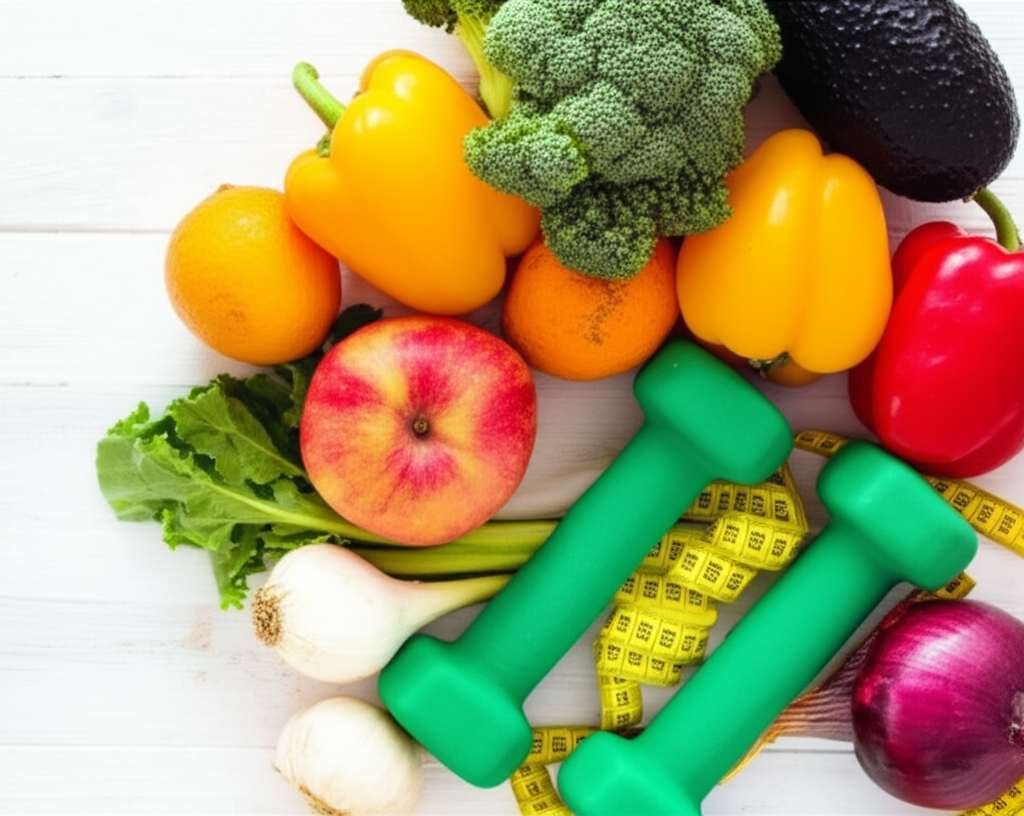
To burn fat effectively, focus on creating a calorie deficit through a balanced diet and regular exercise. This means consuming fewer calories than your body uses, prioritizing whole foods, and incorporating both cardio and strength training to boost metabolism and build lean muscle. Consistency is key for sustainable fat loss.
Hey there! Feeling a bit lost when it comes to burning fat? You’re not alone. Many people find the whole process confusing, with so much information out there. It’s easy to get overwhelmed and wonder where to even start.
But guess what? Burning fat doesn’t have to be complicated. It’s all about understanding a few simple principles and putting them into practice consistently. Think of it like learning a new skill – with the right guidance and a step-by-step approach, you’ll get there!
This guide is designed to break down exactly how to burn fat in a way that makes sense, is totally achievable, and fits into your life. We’ll cover everything from what you eat to how you move, all explained in plain English.
Ready to ditch the confusion and start seeing real results? Let’s dive in!
How Do You Burn Fat? The Ultimate Beginner’s Guide
Burning fat is a goal for many, whether it’s for health, fitness, or simply feeling more confident. But what does it actually mean to “burn fat,” and how can you do it effectively without extreme measures? This guide will walk you through the science and practical steps in a way that’s easy to understand and follow.
At its core, burning fat is about energy balance. Your body needs energy (calories) to function, and it gets this energy from the food and drinks you consume. When you take in more calories than your body uses, it stores the excess energy, often as body fat. Conversely, when you use more energy than you consume, your body taps into those stored fat reserves for fuel.
So, how do you create that energy deficit? It’s a combination of what you eat and how much you move. We’ll explore these key areas to help you achieve your fat-burning goals sustainably.
Understanding the Basics: Calories In vs. Calories Out
The most fundamental principle of fat loss is the calorie deficit. This concept is simple: to lose fat, you need to burn more calories than you consume. Your body uses calories for everything it does, from breathing and thinking to exercising and digesting food. This total daily energy expenditure is often referred to as your TDEE (Total Daily Energy Expenditure).
If your calorie intake is consistently lower than your TDEE, your body will start to use stored fat for energy. This is the primary mechanism behind fat loss. It’s not about “spot reducing” fat from one area, but rather reducing your overall body fat percentage.
Think of it like a bank account. If you deposit more money than you withdraw, your balance grows. If you withdraw more than you deposit, your balance shrinks. Calories are your currency here. To burn fat, you need to create a consistent “withdrawal” from your body’s energy stores.
What is a Calorie Deficit?
A calorie deficit is the state where you consume fewer calories than your body burns. For example, if your body burns 2000 calories a day, and you consume 1500 calories, you have a deficit of 500 calories. Over time, this deficit leads to fat loss.
A deficit of 3,500 calories is generally equivalent to about one pound of fat loss. So, to lose one pound per week, you’d aim for a daily deficit of around 500 calories (3,500 calories / 7 days = 500 calories/day).
How to Estimate Your Calorie Needs
Estimating your TDEE is a good starting point. Several online calculators can help you estimate this based on your age, sex, weight, height, and activity level. These are estimates, and you may need to adjust based on your results. You can find many reputable TDEE calculators online, such as those provided by the National Institutes of Health (NIH), which offer tools based on established formulas like the Mifflin-St Jeor equation.
Once you have an estimated TDEE, you can create a deficit by reducing your calorie intake or increasing your calorie expenditure through exercise, or a combination of both. For beginners, aiming for a moderate deficit of 250-500 calories per day is usually recommended for sustainable and healthy fat loss.
Nutrition: Fueling Your Fat Burn
What you eat plays a massive role in burning fat. It’s not just about reducing calories; it’s about choosing nutrient-dense foods that keep you feeling full, provide essential vitamins and minerals, and support your body’s functions.
Focusing on whole, unprocessed foods is key. These foods are typically lower in calories and higher in fiber and protein, which are crucial for satiety and metabolism. Processed foods, on the other hand, are often high in added sugars, unhealthy fats, and refined carbohydrates, which can hinder fat loss.
Let’s break down the key components of a fat-burning diet.
The Power of Protein
Protein is your best friend when it comes to burning fat. It’s highly satiating, meaning it helps you feel full for longer, which can reduce overall calorie intake. Protein also requires more energy to digest than carbohydrates or fats, a process known as the thermic effect of food (TEF). This means your body burns more calories processing protein.
Furthermore, protein is essential for building and maintaining muscle mass. Muscle tissue is metabolically active, meaning it burns more calories at rest than fat tissue. The more muscle you have, the higher your resting metabolic rate, making it easier to burn fat.
Good sources of protein include:
- Lean meats (chicken breast, turkey, lean beef)
- Fish (salmon, tuna, cod)
- Eggs
- Dairy products (Greek yogurt, cottage cheese, milk)
- Legumes (beans, lentils, chickpeas)
- Tofu and tempeh
- Nuts and seeds
Smart Carbohydrate Choices
Carbohydrates are your body’s primary source of energy. However, not all carbs are created equal. Refined carbohydrates, like white bread, sugary cereals, and pastries, are quickly digested, leading to blood sugar spikes and crashes, which can increase hunger and cravings.
Opt for complex carbohydrates, which are rich in fiber and digest more slowly. This provides sustained energy and helps keep you feeling full. Fiber also aids digestion and can contribute to fat loss.
Choose these complex carbs:
- Whole grains (oats, brown rice, quinoa, whole wheat bread)
- Fruits (apples, berries, bananas)
- Vegetables (broccoli, spinach, sweet potatoes, carrots)
- Legumes (beans, lentils)
Healthy Fats for Fat Loss
Fats are essential for hormone production, nutrient absorption, and overall health. While they are calorie-dense, choosing the right types of fats can support your fat-burning efforts. Unsaturated fats, found in sources like avocados, nuts, seeds, and olive oil, are beneficial for heart health and can help with satiety.
Trans fats, often found in processed and fried foods, should be avoided as they are detrimental to health and can contribute to fat storage. Saturated fats, found in animal products and some plant oils, should be consumed in moderation.
Include these healthy fats:
- Avocados
- Nuts (almonds, walnuts, cashews)
- Seeds (chia seeds, flaxseeds, sunflower seeds)
- Olive oil
- Fatty fish (salmon, mackerel)
Hydration is Key
Drinking enough water is crucial for many bodily functions, including metabolism. Water is essential for transporting nutrients, regulating body temperature, and aiding in the removal of waste products. Sometimes, thirst can be mistaken for hunger, so staying well-hydrated can help manage cravings.
Aim to drink plenty of water throughout the day. A general guideline is around 8 cups (64 ounces) per day, but this can vary based on your activity level, climate, and individual needs. Carrying a reusable water bottle can be a great reminder to keep sipping.
Exercise: Boosting Your Fat Burn
While nutrition is paramount for fat loss, exercise plays a vital supporting role. Physical activity burns calories directly, increases your metabolism, and helps build lean muscle mass, which further boosts your calorie-burning potential.
A well-rounded exercise plan typically includes both cardiovascular exercise (cardio) and strength training. Combining these two types of training offers the most effective approach to burning fat and improving overall body composition.
Cardiovascular Exercise (Cardio)
Cardio, also known as aerobic exercise, is any activity that increases your heart rate and breathing for a sustained period. It’s excellent for burning calories during the workout itself and improving cardiovascular health.
Examples of cardio include:
- Walking
- Running
- Cycling
- Swimming
- Dancing
- Jumping jacks
- High-intensity interval training (HIIT)
For fat loss, aim for at least 150 minutes of moderate-intensity cardio or 75 minutes of vigorous-intensity cardio per week, as recommended by the U.S. Department of Health and Human Services. You can break this down into shorter, more frequent sessions throughout the week.
Strength Training
Strength training, or resistance training, involves using weights, resistance bands, or your own body weight to build muscle strength and endurance. While cardio burns more calories during the workout, strength training has a significant long-term impact on fat burning.
As mentioned earlier, muscle tissue burns more calories at rest than fat tissue. By building more muscle through strength training, you increase your resting metabolic rate (RMR), meaning you burn more calories even when you’re not exercising. This is often referred to as the “afterburn effect.”
Beginner-friendly strength exercises include:
- Squats
- Push-ups (can be modified on knees)
- Lunges
- Planks
- Dumbbell rows
- Glute bridges
Aim to incorporate strength training 2-3 times per week, allowing at least one rest day between sessions for muscle recovery. You can start with bodyweight exercises and gradually add resistance as you get stronger.
High-Intensity Interval Training (HIIT)
HIIT is a popular and effective form of exercise for fat burning. It involves short bursts of intense exercise followed by brief recovery periods. HIIT workouts are typically shorter than traditional cardio sessions but can burn a significant number of calories and create a substantial “afterburn effect,” where your body continues to burn calories at an elevated rate post-workout.
A sample HIIT workout might look like this:
- 30 seconds of burpees (high intensity)
- 30 seconds of rest or light jogging
- Repeat for 15-20 minutes
Due to its intensity, HIIT is best performed 1-3 times per week, with rest days in between. It’s also a good idea to build a base level of fitness with steady-state cardio and strength training before diving into HIIT.
Lifestyle Factors for Fat Burning
Beyond diet and exercise, several lifestyle factors can significantly impact your body’s ability to burn fat. These often overlooked elements can make a big difference in your progress and overall well-being.
Prioritize Sleep
Getting enough quality sleep is crucial for hormone regulation, including hormones that control appetite and fat storage. When you’re sleep-deprived, your body produces more cortisol (a stress hormone) and ghrelin (a hunger hormone), while reducing leptin (a satiety hormone). This hormonal imbalance can lead to increased cravings for unhealthy foods and greater fat storage.
Aim for 7-9 hours of quality sleep per night. Establishing a regular sleep schedule, creating a relaxing bedtime routine, and ensuring your bedroom is dark and quiet can help improve sleep quality.
Manage Stress
Chronic stress can also lead to elevated cortisol levels, which, as mentioned, promotes fat storage, particularly around the abdomen. Finding healthy ways to manage stress is therefore vital for fat loss.
Stress management techniques can include:
- Meditation or mindfulness
- Deep breathing exercises
- Yoga or tai chi
- Spending time in nature
- Engaging in hobbies you enjoy
- Talking to a friend or therapist
Consistency is Key
The most effective fat-burning strategy is one you can stick with long-term. Fad diets and extreme exercise routines may offer quick results, but they are rarely sustainable and can often lead to yo-yo dieting and frustration.
Focus on making gradual, sustainable changes to your diet and exercise habits. Celebrate small victories along the way and don’t get discouraged by occasional slip-ups. Consistency over time is what leads to lasting fat loss and improved health.
Putting It All Together: A Sample Plan
Here’s a sample weekly structure that combines nutrition, exercise, and lifestyle factors for beginner fat loss. Remember, this is a template, and you should adjust it based on your personal preferences, schedule, and fitness level.
Weekly Schedule Example:
| Day | Morning (Upon Waking) | Breakfast | Mid-Morning Snack (Optional) | Lunch | Afternoon Snack (Optional) | Dinner | Evening |
|---|---|---|---|---|---|---|---|
| Monday | Glass of water | Oatmeal with berries and nuts | Greek yogurt | Grilled chicken salad with mixed greens and vinaigrette | Apple slices with almond butter | Baked salmon with roasted sweet potatoes and broccoli | Relaxing activity, aim for 7-9 hours of sleep |
| Tuesday | Glass of water | Scrambled eggs with spinach and whole-wheat toast | Handful of almonds | Lentil soup with a side salad | Carrot sticks with hummus | Lean ground turkey stir-fry with brown rice and mixed vegetables | Stress management activity, aim for 7-9 hours of sleep |
| Wednesday | Glass of water | Smoothie: spinach, banana, protein powder, almond milk | Cottage cheese | Tuna salad (made with Greek yogurt) on whole-wheat crackers | Pear | Chicken breast with quinoa and steamed green beans | Light walk or stretching, aim for 7-9 hours of sleep |
| Thursday | Glass of water | Whole-wheat pancakes with fruit and a sprinkle of seeds | Hard-boiled egg | Leftover turkey stir-fry | Orange | Vegetarian chili with a side of avocado | Relaxing activity, aim for 7-9 hours of sleep |
| Friday | Glass of water | Oatmeal with fruit and a spoonful of chia seeds | Small protein shake | Large salad with chickpeas, cucumber, tomatoes, and olive oil dressing | Rice cakes with avocado | Baked cod with roasted asparagus and a small portion of brown rice | Stress management activity, aim for 7-9 hours of sleep |
| Saturday | Glass of water | Omelette with veggies and cheese | Fruit salad | Chicken breast or tofu sandwich on whole-wheat bread with lettuce and tomato | A few squares of dark chocolate | Lean steak or tofu with a large mixed green salad | Enjoy a social activity, aim for 7-9 hours of sleep |
| Sunday | Glass of water | Greek yogurt with granola and fruit | Small handful of walnuts | Leftover steak or tofu salad | Edamame | Roast chicken with a variety of roasted root vegetables | Prepare for the week ahead, aim for 7-9 hours of sleep |
Exercise Integration:
- Monday: Moderate cardio (e.g., 30-45 minutes brisk walking or cycling)
- Tuesday: Full-body strength training
- Wednesday: Active recovery (e.g., yoga, stretching) or light cardio
- Thursday: Moderate cardio (e.g., 30-45 minutes)
- Friday: Full-body strength training
- Saturday: HIIT session (20-25 minutes) or longer moderate cardio
- Sunday: Rest or light activity like a leisurely walk
Remember to listen to your body and adjust the intensity and duration of your workouts as needed. Proper warm-ups and cool-downs are also important to prevent injuries.
Frequently Asked Questions (FAQ)
Q1: How quickly can I expect to see results?
Results vary from person to person and depend on factors like your starting weight, metabolism, consistency with diet and exercise, and genetics. A healthy and sustainable rate of fat loss is typically 1-2 pounds per week. You might notice changes in how your clothes fit or increased energy levels sooner than the scale shows significant movement.
Q2: Do I need to cut out all carbs to burn fat?
No, you don’t need to cut out all carbohydrates. Focusing on complex carbohydrates rich in fiber (like whole grains, fruits, and vegetables) is essential for energy and satiety. It’s refined and sugary carbs that are best limited. Your body needs carbs for fuel, especially if you’re exercising.
Q3: Is it possible to burn fat and build muscle at the same time?
Yes, it’s often called “body recomposition.” This is most achievable for beginners who are new to strength training, or for individuals returning to exercise after a break. It requires a careful balance of adequate protein intake, consistent strength training, and a moderate calorie deficit.
Q4: What if I have a busy schedule and can’t exercise for hours?
Even short bursts of activity can make a difference! Aim for consistency rather than long durations. Try incorporating 10-15 minute walks throughout your day, or opt for a 20-30 minute HIIT workout a few times a week. Prioritizing your nutrition will also be a major factor.
Q5: How much water should I drink daily for fat loss?
A good starting point is around 8 glasses (64 ounces) of water per day. However, you may need more if you’re very active, live in a hot climate, or have specific health conditions. Staying hydrated can help with metabolism, satiety, and overall bodily functions that support fat loss.
Q6: Will skipping meals help me burn fat faster?
Skipping meals can often backfire. It can lead to extreme hunger, overeating later in the day, and a slower metabolism. It’s generally more effective to eat regular, balanced meals and snacks throughout the day to keep your metabolism active and manage hunger effectively.
Conclusion
Burning fat is a journey, not a race. By understanding the fundamental principles of calorie balance, prioritizing nutrient-dense foods, incorporating regular exercise, and managing lifestyle factors like sleep and stress, you can create a sustainable path to achieving your fat loss goals.
Remember that consistency is your most powerful tool. Don’t aim for perfection, aim for progress. Small, consistent changes in your daily habits will add up over time and lead to significant results. Celebrate your efforts and be patient with yourself.
You’ve got the knowledge now to start making informed decisions about your health and fitness. Take it one step at a time, listen to your body, and enjoy the process of becoming a healthier, stronger you. You’re capable of achieving your goals!
As an Amazon Associate, We earn from qualifying purchases. When you purchase a product through Amazon links on pulsefitguide.com, we may earn a small commission at no extra cost to you. This helps support the site and keep our content free.
