


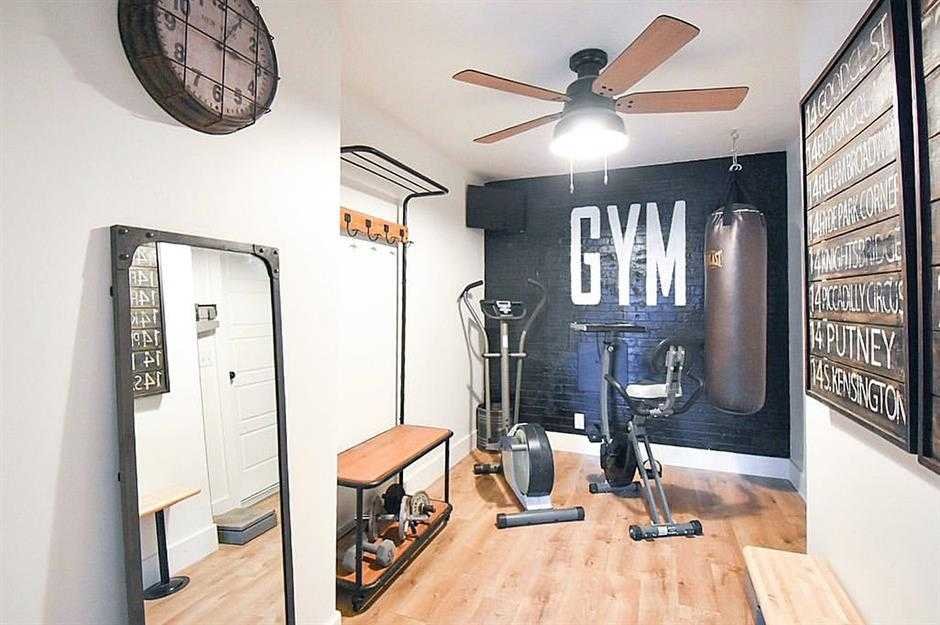
Starting a fitness routine in a tiny space might seem challenging, but it’s absolutely doable with some clever planning and creativity. You don’t need a sprawling gym to get moving; just a little motivation and the right approach can turn even the smallest corner into your personal workout zone. The key is to focus on body-weight exercises, utilize multi-purpose equipment, and make the most of limited space without sacrificing comfort or effectiveness. With consistency and smart choices, you can build a powerful fitness habit right at home, no matter how cramped your quarters are.
**Quick answer:** Begin with simple body-weight exercises like squats, push-ups, and planks that require minimal space. Use items like resistance bands or small weights to diversify your workouts, and schedule short, regular sessions to stay motivated. You can create an effective fitness routine even in a confined space with the right mindset and planning.
Getting started with a fitness routine in a small space might feel overwhelming at first, but it’s completely manageable and even fun. The best part? You don’t need fancy gym equipment or a large area to stay active. Just a corner of your room, a little bit of determination, and some creative ideas are enough to get your workout journey underway. Whether you’re aiming to stay healthy, build strength, or just want to feel energized, starting small and staying consistent will help you achieve your goals. Plus, building a home workout routine can be flexible, convenient, and perfectly tailored to your space, making it easier to stick with in the long run.

How do I start a fitness routine in a small space?
Starting a fitness routine in a small space can seem challenging, but it’s completely doable with the right approach. You don’t need a large gym or fancy equipment to get moving and stay healthy. The key is to focus on exercises that require minimal space and versatile moves that can be done comfortably in tight areas. Planning is essential—think about your goals, space limitations, and equipment options. Let’s explore how you can create an effective workout routine right in your small space.
Assess Your Space and Set Realistic Goals
Before jumping into exercises, take a moment to evaluate your available space. Measure the area you plan to work out in, noting the maximum size for movement. Consider the type of flooring—hard surfaces may need a mat for comfort. Set **clear, achievable goals** to keep motivated; whether it’s building strength, improving flexibility, or losing weight, your goals will shape your routine.
Think about how many days a week you can dedicate to exercise. Small spaces are perfect for quick, effective workouts if you’re mindful of space constraints. For example, aiming for 3 to 5 sessions per week with 20-30 minutes each can be very effective.
Choose Space-Friendly Exercises
Opt for exercises that don’t require much room or equipment. Bodyweight workouts are ideal—they use your own weight to build strength. Some common space-efficient exercises include:
- Squats and lunges
- Push-ups
- Planks
- Jumping jacks
- Mountain climbers
- Crunches and sit-ups
These moves can be done in small areas without knocking into furniture or walls. For variety, consider incorporating yoga or pilates routines that focus on flexibility and core strength.
Utilize Compact Fitness Equipment
Having the right equipment can boost workout variety and intensity, even in a small space. Choose multipurpose tools that don’t take up much room. Some great options include:
| Equipment | Description | Benefits |
|---|---|---|
| Resistance Bands | Lightweight bands that add resistance to exercises | Cost-effective, portable, and versatile |
| Adjustable Dumbbells | Compact weights with adjustable settings | Save space while increasing workout options |
| Foldable Exercise Mat | Provides cushioning for floor exercises | Easy to store when not in use |
| Mini Stepper or Pedal Bike | Small cardio devices for indoor use | Effective for cardiovascular health in small areas |
Despite limited space, these pieces can expand your workout options significantly.
Design a Routine Suited to Small Spaces
A well-structured workout plan makes the most of your space. Focus on **circuit training**, which alternates between exercises to maximize efficiency and keep your heart rate high. For example, create a circuit with:
- Jumping jacks (1 minute)
- Push-ups (15 reps)
- Bodyweight squats (20 reps)
- Planks (30 seconds)
- Mountain climbers (1 minute)
Repeat this circuit 2 to 3 times depending on your fitness level. Keep transitions quick between exercises to make the most of your time and space.
Maximize Small Space with Creative Solutions
Use vertical space to your advantage. Wall-mounted racks or hooks can store resistance bands or small weights. A mirror on the wall can help with form and technique checks. Folding furniture can be moved or hidden away after workouts, freeing up space.
Create stations within your small area for different exercise types. For example, set aside one corner for cardio moves and another for strength training. This organization allows for efficient routines and prevents clutter.
Incorporate Flexibility and Mobility Work
Flexibility exercises need minimal space and equipment. Incorporate stretching routines or yoga sequences to improve mobility and prevent injuries. Use online tutorials or apps for guidance.
Focus on stretches that target commonly tight areas like hamstrings, hip flexors, back, shoulders, and chest. Hold each stretch for 15 to 30 seconds, and perform 2 rounds. Flexibility work enhances overall performance and makes other exercises safer.
Schedule and Stay Consistent
Consistency is key to seeing progress. Schedule workouts at a specific time, just like an important appointment. Even in small spaces, making exercise a routine helps develop habits.
Use reminders or alarms to stick to your schedule. Track your progress in a journal or app, noting repetitions, sets, and how you feel after each session. Recognizing accomplishments keeps motivation high.
Make It Fun and Motivating
Create a positive environment for your workouts. Play upbeat music, wear comfortable clothing, and keep your space tidy. Set small milestones and reward yourself when reaching goals, like new workout gear or a relaxing activity.
Experiment with new exercises regularly to keep routines interesting. Join online fitness challenges or follow social media accounts for inspiration. A fun, engaging routine makes it easier to stay consistent.
Stay Safe and Avoid Overcrowding
Always prioritize safety in your small space. Avoid exercises that risk knocking into furniture or walls. Use clear markers on the floor to designate workout zones.
Start slow, especially if you’re new to exercising, and increase intensity gradually. Proper warm-up and cool-down routines prevent injuries. If using equipment, ensure it’s in good condition and used correctly.
Track Your Progress and Adjust
Monitor how your body responds to your routines. Make adjustments based on your progress and any discomfort. Increase repetitions or add new exercises for challenge.
Review your goals periodically and adapt your workouts accordingly. Small spaces require creativity—change your routine to keep things fresh and engaging.
Starting a fitness routine in a small space is entirely possible with thoughtful planning and creativity. Focus on exercises that require minimal room, utilize versatile equipment, and design a routine that fits your goals. Keep your space organized, make workouts enjoyable, and stay consistent. Remember, even small areas can become a powerful place for your fitness journey.
Small Space Workout for Beginners
Frequently Asked Questions
What are some effective space-saving exercise options for limited areas?
Bodyweight exercises such as push-ups, squats, lunges, and planks require minimal space and equipment. You can also incorporate activities like jumping jacks or high knees that are suitable for confined areas. Using a small yoga mat can help define your workout zone and keep exercises comfortable. Consider practicing stretching or flexibility routines, which need less room and help improve mobility without requiring much space.
How can I organize my small area to maximize workout space?
Clear clutter and designate a specific corner for exercising to create a dedicated workout zone. Use wall-mounted storage or shelves to keep equipment such as resistance bands, dumbbells, or mats organized and easily accessible. Folding or lightweight equipment can be stored away when not in use, freeing up more space. Position your workout area near a mirror if possible, so you can monitor your form without taking up extra room.
Are there specific types of fitness routines suited for small spaces?
Yes, routines focused on bodyweight movements, flexibility, and low-impact cardio work well in tight areas. High-Intensity Interval Training (HIIT) sessions are effective and can be tailored to fit limited space while maximizing effort in short periods. Yoga and pilates are also ideal, requiring minimal space and equipment, allowing you to work on balance, strength, and relaxation within your available area.
What equipment should I consider for a compact home workout setup?
Opt for versatile, space-efficient equipment such as resistance bands, a jump rope, small dumbbells, or a stability ball. Foldable or stackable items like a compact exercise bench can also be useful. A good-quality yoga mat offers comfort and defines your workout zone. Keep in mind that many effective exercises don’t need equipment, so your routine can be flexible and adaptable to small spaces.
How can I stay motivated to work out regularly in a small space?
Create a consistent schedule and set clear, achievable goals to keep yourself focused. Find motivating music or podcasts to make workouts more enjoyable. Keep your workout area inviting by adding mirrors, plants, or motivational posters. Track your progress to see your improvements over time, and consider joining virtual fitness groups or challenges to stay accountable and inspired, even in a limited environment.
Final Thoughts
Starting a fitness routine in a small space is simple with the right approach. Choose versatile exercises like bodyweight moves that require minimal equipment. Incorporate quick routines, such as circuit training, to maximize limited space.
Arrange your area clear of distractions and choose a consistent time for workouts. Use online videos or apps to guide your sessions and stay motivated. Focus on progress rather than perfection to keep your routine sustainable.
How do I start a fitness routine in a small space? Keep it straightforward, stay consistent, and make the most of what you have. Small space fitness can be effective and enjoyable with these simple steps.
As an Amazon Associate, We earn from qualifying purchases. When you purchase a product through Amazon links on pulsefitguide.com, we may earn a small commission at no extra cost to you. This helps support the site and keep our content free.
