

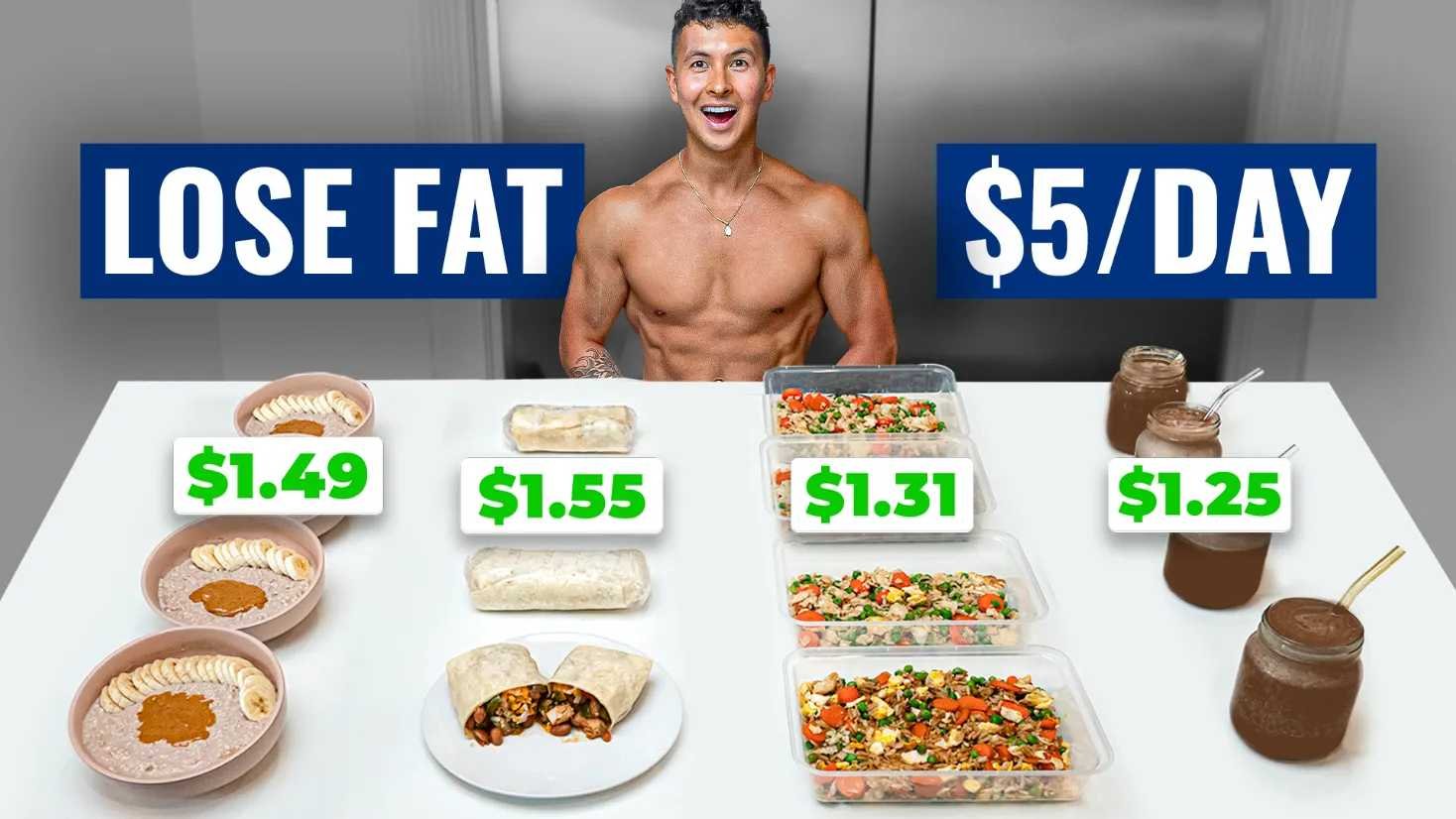
To plan affordable, weight-loss-friendly meals, focus on buying in bulk, choosing whole foods over processed snacks, and preparing meals at home. Incorporate simple, nutrient-dense ingredients like beans, rice, and seasonal vegetables to stay within budget while supporting your goals. With a bit of planning, you can enjoy healthy, satisfying meals without breaking the bank.
Planning meals for weight loss on a budget doesn’t have to be complicated. The key is smart shopping, cooking at home, and selecting affordable, nutritious ingredients that keep you full and energized. By making a weekly meal plan, shopping with a list, and sticking to budget-friendly staples, you can shed pounds without overspending. It’s about making mindful choices that balance health and cost, turning everyday grocery runs into opportunities for healthier living without financial stress.
Starting a weight loss journey can feel daunting, especially when you’re worried about expenses. But achieving your health goals doesn’t mean you need to splurge on fancy foods or expensive supplements. Instead, focus on building a meal plan rooted in affordable, nutritious foods that support weight loss. With strategic shopping, batch cooking, and a little creativity, you can craft a variety of tasty meals that help you shed unwanted pounds while keeping your wallet happy. Making these small changes not only improves your health but also simplifies your grocery shopping, making weight loss a more manageable and enjoyable experience.

How do I plan meals for weight loss on a budget?
Understanding the Basics of Budget-Friendly Meal Planning for Weight Loss
Planning meals for weight loss does not have to be expensive. The key is to focus on **nutrient-dense foods** that are affordable and filling. Start by setting a **weekly food budget** and sticking to it. This helps prevent impulse buys and keeps you on track with your financial goals.
Concentrate on foods that provide **high satiety**—meaning they keep you full longer. These include **fiber-rich vegetables**, **lean proteins**, and **whole grains**. Incorporating these into your meals ensures you get the nutrients needed without overspending.
Creating a **meal plan** for the week helps avoid unnecessary purchases and reduces food waste. Make a shopping list based on your plan, which saves money and ensures you only buy what you need. Stick to your list during shopping to stay within your budget.
Choosing Cost-Effective Ingredients for Weight Loss
Certain ingredients are naturally more affordable and effective for weight loss. **Beans and lentils** are excellent sources of **protein and fiber**, and they cost less than many other proteins like meat. They can be used in soups, salads, and stews.
**Frozen vegetables and fruits** are often cheaper than fresh, especially out of season. They have similar nutritional value and last longer. These help diversify your meals without breaking the bank.
**Whole grains** such as **brown rice**, **oats**, and **quinoa** are budget-friendly and provide sustained energy. Look for store brands or bulk options to reduce costs further.
Opt for **affordable proteins** like **eggs**, **canned tuna**, and **chicken thighs**. These are less expensive than steaks or fish fillets but still support weight loss efforts.
Smart Shopping Tips to Save Money and Promote Weight Loss
Plan your shopping trips around **sales and discounts**, especially on staple items. Use **coupon apps** and **store loyalty programs** to get deals on healthy foods.
Buy in **bulk** when possible—large packages of rice, beans, and oats are cheaper over time. Store these properly to ensure they stay fresh and usable.
Shop at **discount stores** or **farmer’s markets** for fresh produce at lower prices. Sometimes, local markets have **seasonal discounts** on fruits and vegetables.
Avoid pre-packaged **snacks and convenience foods**. They tend to be more expensive and often contain added sugars or preservatives. Prepare **homemade snacks** like **popcorn, vegetable sticks, or boiled eggs** instead.
Meal Prep Strategies to Save Both Money and Time
Preparing meals ahead on **meal prep days** can cut costs significantly. Cook **large batches of staples** such as rice, beans, or roasted vegetables and portion them into containers.
Use versatile ingredients that can be used in multiple recipes. For example, **chicken** can become salads, wraps, or stir-fries.
Invest in **reusable containers** to store prepped meals. This reduces the temptation to buy unhealthy takeout and keeps your diet on track.
Create a **weekly schedule** where you assign specific meals to days. This prevents last-minute fast food choices and helps control portion sizes.
Balancing Nutrients Without Overspending
Focus on creating **balanced meals** that include **protein, complex carbohydrates, and healthy fats**. This combination helps you stay full longer and supports weight loss.
Incorporate **fiber-rich foods** like **whole grains, vegetables, and legumes**. They promote digestive health and help control appetite.
Use **healthy fats** such as **olive oil, nuts, and seeds** sparingly as they are calorie-dense but essential for a well-rounded diet.
Limit **high-calorie and processed foods** that are often costly and offer little nutritional value. Instead, emphasize **home-cooked meals** with whole ingredients.
Sample Budget Meal Plan for Weight Loss
| Meal | Ingredients | Approximate Cost |
|---|---|---|
| Breakfast | Rolled oats with frozen berries and a spoon of peanut butter | $0.50 |
| Lunch | Brown rice, canned chickpeas, mixed vegetables, olive oil | $1.00 |
| Dinner | Grilled chicken thighs, roasted sweet potatoes, steamed broccoli | $2.00 |
| Snacks | Hard-boiled eggs, carrots, and homemade popcorn | $0.50 |
This plan emphasizes **affordable ingredients**, **meal variety**, and **balanced nutrition**. Adjust portions and ingredients based on your personal calorie needs and preferences.
Additional Tips for Maintaining a Budget While Losing Weight
Stay **hydrated** with inexpensive water or homemade flavored water instead of sugary drinks. Proper hydration can help control hunger.
Limit eating out and **fast food**. Preparing meals at home is usually **more affordable and healthier**.
Practice **mindful eating** by paying attention to portion sizes and hunger cues. This helps prevent overeating and wasting food.
Set **realistic goals** and be consistent. Small, steady changes are easier to maintain over time and more budget-friendly.
Finally, stay **motivated** by tracking your progress. Use free apps or simple journals to monitor your meals and weight loss journey.
By following these detailed strategies, you can effectively plan meals that support weight loss without overspending. Focus on **whole, affordable ingredients**, **smart shopping**, and **meal prep** to make your goals achievable and sustainable.
CHEAP Weight Loss Meal Prep (How To Eat Healthy On a Budget)
Frequently Asked Questions
What are some affordable protein sources I can include in my weight loss meals?
Opt for budget-friendly protein options such as eggs, canned beans, lentils, canned tuna, and frozen chicken breasts. These ingredients provide high-quality protein without straining your budget and help keep you full longer, supporting your weight loss goals.
How can I plan meals to reduce waste and save money?
Buy in bulk and plan your meals around versatile ingredients that can be used in multiple dishes. Use leftovers creatively, such as turning roasted vegetables into soups or salads. Proper portioning also helps prevent spoilage, ensuring you get the most value from your groceries.
Are there specific grocery shopping strategies that help with budget meal planning?
Create a shopping list based on your weekly meal plan and stick to it to avoid impulse purchases. Take advantage of sales, discounts, and store-brand products. Shopping at local markets or discount stores can also lower costs while providing fresh ingredients.
What are some low-cost, nutritious carbohydrate sources for weight loss?
Choose affordable complex carbs like oats, brown rice, sweet potatoes, and whole wheat bread. These foods supply sustained energy and fiber, aiding digestion and helping you stay satiated, all while fitting within a limited budget.
How can meal prepping help me stick to my budget and weight loss plan?
Prepping meals in advance allows you to buy ingredients in bulk, reduce last-minute takeout, and control portion sizes. This approach minimizes waste and ensures you have healthy, budget-friendly options ready, preventing impulsive, costly choices.
Final Thoughts
Planning meals for weight loss on a budget requires careful shopping and preparation. Focus on buying seasonal produce and bulk items to reduce costs. Use simple recipes and meal prep to avoid unnecessary expenses.
Stay organized with a weekly meal plan to prevent impulse purchases and food waste. Incorporate affordable protein sources like beans, eggs, and chicken.
How do I plan meals for weight loss on a budget? Prioritize nutritious, cost-effective ingredients and prepare meals at home to save money. Staying consistent helps achieve your goals without overspending.
As an Amazon Associate, We earn from qualifying purchases. When you purchase a product through Amazon links on pulsefitguide.com, we may earn a small commission at no extra cost to you. This helps support the site and keep our content free.