

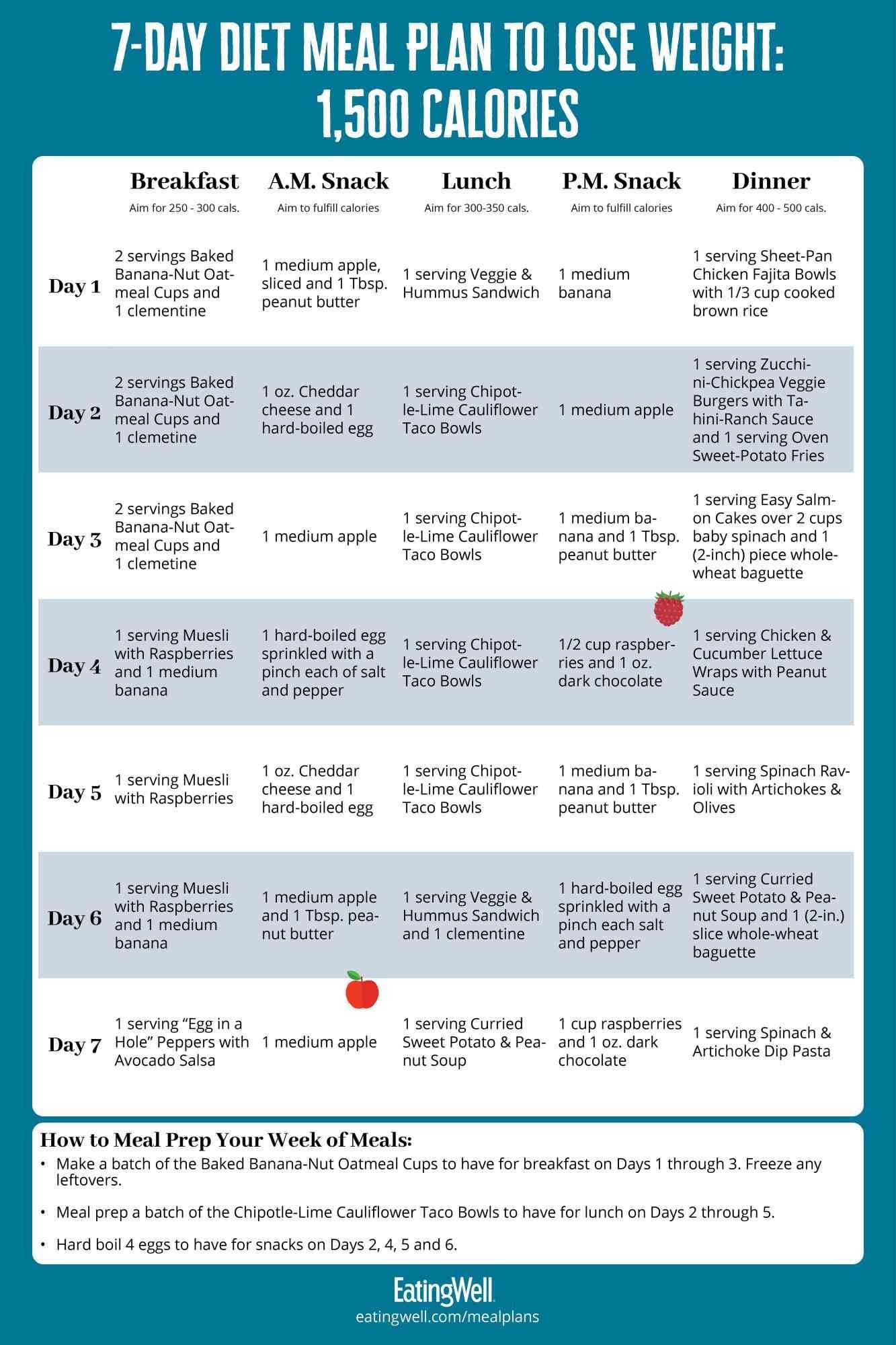
To successfully meal prep for a week and shed those extra pounds, focus on planning balanced meals, portion control, and choosing nutrient-dense foods that keep you full longer. Preparing your meals in advance helps you resist unhealthy temptations and stay on track with your weight loss goals. The key is to organize your shopping list, cook in bulk, and store everything properly for easy access throughout the week.
Meal prepping for weight loss might seem daunting at first, but with a simple plan, it becomes a game-changer. Start by designing a weekly menu that includes lean proteins, vegetables, whole grains, and healthy fats. Set aside a few hours on the weekend to cook and portion your meals, ensuring you have nutritious options ready to grab when hunger strikes. This approach not only saves time but keeps you accountable and reduces the likelihood of reaching for fast food or sugary snacks.

How do I meal prep for a week to lose weight?
Understanding the Basics of Meal Prep for Weight Loss
Meal prepping involves planning and cooking your meals ahead of time, making it easier to stick to healthy eating habits. When aiming to lose weight, your focus should be on preparing nutritious, balanced meals that control calorie intake. This practice helps prevent impulsive eating and ensures portion control.
Why Meal Prep Supports Weight Loss Goals
By preparing meals in advance, you have better control over ingredients and portions, which reduces the chances of overeating. It also minimizes reliance on fast food or takeout, often high in calories and unhealthy fats. Consistent meal prep supports steady weight loss by maintaining a calorie deficit.
How to Plan Your Meal Prep for a Week
Planning begins with understanding your daily calorie needs and macronutrient goals. Use tools like calorie calculators or consult a nutritionist for personalized targets. Set a menu for the week, including breakfast, lunch, dinner, and snacks, ensuring each meal aligns with your weight loss plan.
Creating a Weekly Meal Schedule
Design a simple chart or list showing what you’ll eat each day. Include variety to prevent boredom but keep meals consistent enough to simplify shopping and cooking. Make sure to incorporate lean proteins, whole grains, fruits, and vegetables into every meal.
Selecting Recipes That Promote Weight Loss
Choose recipes that are low in added sugars and unhealthy fats. Focus on foods rich in fiber, protein, and water content, which promote fullness and reduce overeating. Opt for grilled, baked, steamed, or raw options instead of fried foods.
Shopping Smart for Your Meal Prep
Create a detailed shopping list based on your weekly menu, avoiding impulse buys. Focus on buying fresh produce, lean meats, whole grains, and healthy fats. Check your pantry and fridge beforehand to prevent duplicate purchases.
Tips for Efficient Grocery Shopping
Shop the perimeter of the store where fresh foods are typically located. Use a shopping list organized by sections to save time. Consider buying in bulk for staples like rice, oats, or canned beans to save money and reduce shopping frequency.
Preparing Meals for the Week
Set aside dedicated time for meal prep, preferably on a weekend or a less busy day. Prepare ingredients first by washing, peeling, and chopping vegetables and fruits. Cook proteins and grains in bulk to use across multiple meals.
Batch Cooking Techniques
Use methods like baking, boiling, grilling, and steaming to prepare large quantities quickly. Store cooked foods in airtight containers to maintain freshness. Label containers with meal names and dates to stay organized.
Portion Control and Storage
Divide prepared meals into individual portions using containers that are microwave-safe. Use measuring cups or scales to serve appropriate sizes aligned with your calorie goals. Store meals in a cool, dry place or refrigerator, and freeze portions you won’t eat within a few days.
Meal Storage Tips
Arrange meals so that the most perishable items are eaten first. Use clear containers to see contents easily. Consider using freezer bags for bulk frozen meals and label them with contents and date.
Healthy Snacks During the Week
Include nutritious snacks like cut vegetables, fruits, nuts, or yogurt to prevent hunger between meals. Prepare snack packs in advance to grab on busy days. Avoid processed snacks high in sugar and unhealthy fats.
Sample Snack Ideas for Weight Loss
- Carrot sticks with hummus
- Apple slices with almond butter
- A handful of unsalted nuts
- Low-fat Greek yogurt with berries
- Celery with peanut butter
Staying Flexible with Your Meal Prep
Life can be unpredictable, so be ready to adapt your meal plans if needed. Swap similar ingredients or meals if you’re short on time or supplies. Remember, consistency is key, but flexibility helps sustain your efforts long-term.
Tips for Success in Weekly Meal Prep
- Keep it simple; avoid complicated recipes
- Use versatile ingredients that can be used in multiple meals
- Set a specific day and time for prep to build a routine
- Practice portion control diligently
- Maintain a balanced intake of macronutrients in each meal
Incorporating Exercise alongside Meal Prep
Pairing your meal prep routine with regular physical activity enhances weight loss. Even light activities like walking or stretching can boost your metabolism. Remember, combined efforts lead to better and faster results.
Monitoring Your Progress and Adjusting
Track your weight and how you feel to evaluate your plan’s effectiveness. Adjust portion sizes, meal choices, or calorie intake as needed. Keep motivated by celebrating small wins and staying committed to your goals.
Making Meal Prep a Sustainable Habit
Start gradually, introducing meal prepping in manageable steps. Over time, increase your skills and meal variety. Building a routine helps turn meal prep into a sustainable part of your healthy lifestyle.
Additional Tips for Effective Meal Prep
- Stay hydrated; drink plenty of water throughout the day
- Limit use of processed ingredients and added sugars
- Include a variety of colorful fruits and vegetables for nutrients
- Seek support from friends or online communities for motivation
- Reflect on your progress weekly to stay on track
By following these steps, you can create a straightforward, enjoyable meal prep routine that helps you reach your weight loss goals. Consistency, planning, and balance remain the foundation of success. With time and patience, meal prepping becomes second nature and a vital part of your healthy lifestyle.
weekend MEAL PREP with me, easy and healthy (love to do this on weekends)
Frequently Asked Questions
What are some effective strategies for portion control during weekly meal prep?
To manage portion sizes, use measuring cups and a kitchen scale to serve consistent servings. Prepare meals in advance with predetermined portions to avoid overeating. Incorporate smaller bowls and plates to naturally limit portion sizes and pay attention to hunger cues, eating only until satisfied rather than full.
How can I select ingredients that support weight loss during meal planning?
Choose nutrient-dense foods such as lean proteins, vegetables, fruits, whole grains, and healthy fats. Focus on whole, minimally processed ingredients to keep meals filling yet low in calories. Avoid high-sugar and high-fat processed foods, and incorporate high-fiber options to promote satiety throughout the day.
What are some tips for preparing meals that stay fresh throughout the week?
Batch cook versatile ingredients that store well, like grilled chicken, roasted vegetables, and cooked grains. Use airtight containers to prevent spoilage, and store meals in portions for quick assembly. Keep in mind how certain foods may wilt or spoil faster and plan to consume them earlier in the week.
How can I balance macronutrients in my meal prep plan for weight loss?
Create meals that include a good source of protein, healthy fats, and complex carbohydrates in each serving. This balance helps maintain energy levels and reduces cravings. Adjust portion sizes to meet your daily caloric needs and ensure that each meal supports your weight loss goals without causing hunger later.
What are some time-saving techniques for meal prepping efficiently?
Set aside a specific day each week dedicated to cooking multiple meals at once. Use large pots and baking sheets to prepare several servings simultaneously. Pre-chopping vegetables and portioning ingredients in advance can speed up assembly. Keep recipes simple and focus on batching similar ingredients to minimize cooking time.
Final Thoughts
To meal prep for a week to lose weight, plan balanced meals with plenty of vegetables, lean proteins, and whole grains. Portion each meal carefully to control calorie intake. Prepare ingredients in advance and store them properly for quick assembly.
Use airtight containers to keep food fresh and make your week more convenient. Stick to your plan and avoid impulsive snacks. Consistent prep and mindful choices make weight loss achievable through meal prep.
In summary, how do I meal prep for a week to lose weight? Focus on organized, portioned meals, and stay committed. This approach helps you stay on track and reach your goals efficiently.
As an Amazon Associate, We earn from qualifying purchases. When you purchase a product through Amazon links on pulsefitguide.com, we may earn a small commission at no extra cost to you. This helps support the site and keep our content free.