

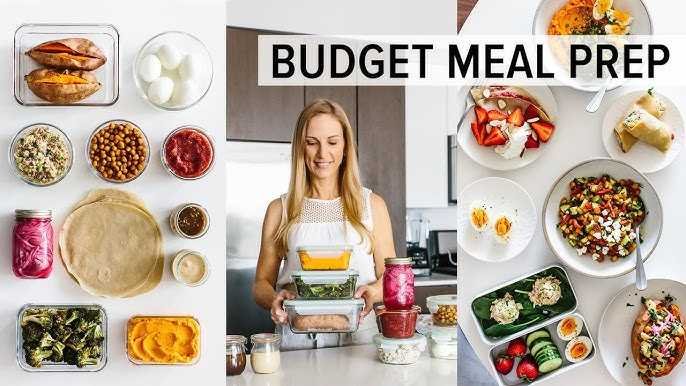
To meal prep clean food without wasting ingredients, plan your meals carefully, buy only what you need, and store leftovers properly to reuse later. Focus on versatile ingredients that can be used in multiple dishes and get creative with leftovers to avoid spoilage. By being mindful of portions and proper storage techniques, you can enjoy healthy meals without unnecessary waste.
Planning your meal prep with precision is key to reducing food waste while maintaining nutritious, clean eating. Start by creating a menu based on ingredients that are flexible and minimally processed. Purchase only what you need, sticking to your shopping list. Store leftovers properly in airtight containers and repurpose them in new dishes to extend their shelf life. With these strategies, you’ll enjoy fresh, wholesome meals daily without throwing away good food or overbuying. This approach not only saves money but also helps the environment by reducing unnecessary waste.

How do I meal prep clean food without wasting ingredients?
Understanding the Importance of Waste-Free Meal Prep
Meal prepping with clean foods is a smart way to stay healthy and save time. However, wasting ingredients defeats this goal and can be costly. It’s important to plan carefully so you use everything you buy. Small changes in your process can make a big difference in reducing food waste.
Planning Your Meals Carefully
Effective meal prep begins with detailed planning. Write down meals you want to prepare for the week. List all ingredients needed for each meal. This helps you buy only what you need and avoid excess that could spoil quickly.
Creating a Weekly Meal Plan
Start by selecting simple, nutritious recipes that share ingredients. For example, use chicken in two or three meals to avoid leftovers. Keep meals balanced and diverse to prevent boredom and reduce unnecessary purchases.
Making a Shopping List
Based on your meal plan, create a detailed shopping list organized by food category. Include exact quantities to limit overbuying. Stick to this list when shopping to prevent impulse buys that may go unused.
Smart Shopping for Minimal Waste
Buying the right amount of ingredients is key. Choose fresh, high-quality produce and be aware of its shelf life. Consider shopping at stores that allow you to buy loose items, so you purchase only what you need.
Buy in Proper Quantities
When possible, ask for smaller portions or buy pre-portioned items. Avoid bulk purchases of perishable foods if you cannot consume them in time.
Selecting Durable and Versatile Ingredients
Pick ingredients like carrots, bell peppers, and squash that last longer in the fridge. Use versatile items, such as rice or beans, in multiple recipes to maximize their use.
Proper Storage to Preserve Freshness
Storing ingredients correctly extends their shelf life and prevents spoilage. Use airtight containers for leftovers and pre-cut produce. Label stored items with dates to keep track of freshness.
Using Appropriate Container Types
Glass containers are excellent for preventing leaks and odors. Use vacuum-sealed bags for longer storage. Keep produce in crisper drawers to maintain moisture and freshness.
Maintaining the Right Temperature
Set your fridge below 40°F (4°C) and your freezer at 0°F (-18°C). Proper temperature control slows bacteria growth and keeps food edible longer.
Techniques for Efficient Meal Preparation
Batch cooking saves time and reduces waste by preparing large portions at once. Cook ingredients that can be used in multiple meals, such as roasted vegetables or cooked grains.
Preparing Ingredients in Bulk
Chop vegetables, cook grains, and cook proteins in large batches. Store them in portion-sized containers for quick assembly during the week.
Using Leftovers Creatively
Repurpose leftovers into new meals like salads, wraps, or soups. For example, leftover roasted vegetables can be added to a grain bowl or omelet.
Reducing Waste During Cooking
Pay attention to parts of ingredients that are usually discarded, such as stems or peels. Use these parts to make stocks or compost.
Utilizing Vegetable Scraps
Save vegetable peels, onion ends, and carrot tops to make vegetable stock. This enhances flavor and minimizes waste.
Maximizing Food Usage
Use overripe or slightly wilting produce in smoothies or baked goods. Mushy fruits are perfect for jams or sauces, preventing waste.
Maintaining Leftovers and Food Rotation
Properly stored leftovers can be eaten later, preventing waste. Practice the first-in, first-out rule to use older ingredients before newer ones.
Implementing a Food Rotation System
Arrange your fridge and pantry so that older items are at the front. This encourages their consumption and reduces spoilage.
Using Leftovers Smartly
Create a weekly “leftover day” to consume all unused food. Freeze leftovers if you cannot eat them right away.
Eco-Friendly Waste Management
Composting food scraps not only reduces waste but also adds nutrients to your garden. Consider composting as part of your waste reduction plan.
Starting a Compost Bin
Set up a compost bin in your yard or use a community composting service. Compost vegetable scraps, coffee grounds, and eggshells.
Reducing Packaging Waste
Opt for reusable bags and containers when shopping. Bring your own produce bags and refillable bottles to cut down on packaging waste.
Using Technology to Minimize Waste
Apps and tools can help track expiry dates, plan meals, and generate shopping lists. They make it easier to stick to your plan and reduce food waste.
Food Tracking Apps
Use apps that notify you when ingredients are nearing their expiry. Some apps even suggest recipes based on what you have.
Meal Planning Software
Meal planning programs help organize your weekly menus, keeping your shopping and prep efficient and waste-free.
Tips for Maintaining a Waste-Free Meal Prep Routine
Consistency is vital. Regularly review your storage habits and meal plan. Adjust quantities and recipes to match your consumption habits.
Stay Organized
Keep your fridge and pantry tidy so you can see what ingredients you have. This prevents duplicate purchases and forgetfulness.
Educate Yourself About Food Storage
Learn how different foods should be stored. Proper storage prevents spoilage and extends freshness.
Meal prepping clean food without wasting ingredients requires thoughtful planning, smart shopping, and careful storage. By using versatile produce, repurposing leftovers, and tracking what you buy and consume, you can cut down on waste significantly. Small efforts in organizing and maintaining your routine lead to healthier eating habits, savings, and less impact on the environment. Incorporate these tips into your weekly routine, and you’ll enjoy nutritious meals that are both waste-free and satisfying.
Clean Eating For Beginners | Never "diet" again
Frequently Asked Questions
How can I plan my meals to minimize ingredient waste?
Start by creating a weekly meal plan that uses overlapping ingredients to reduce leftovers. Make a shopping list based on this plan to avoid buying unnecessary items. When shopping, buy in quantities suited to your planned meals, and consider purchasing versatile ingredients that can be used in multiple dishes. Proper planning helps you use ingredients efficiently and cuts down on waste.
What are some effective storage techniques to keep food fresh longer?
Use airtight containers to store prepped ingredients and cooked meals, which prevents spoilage. Label and date items so you know what needs to be consumed first. Store produce in appropriate conditions—refrigerate leafy greens and berries, keep root vegetables in a cool, dark place. Proper storage extends shelf life and reduces the chance of throwing away spoiled food.
How can I adjust recipes to avoid excess ingredients?
Modify recipes to match the quantity you need by reducing proportions, especially when cooking for one or two. Consider using parts of ingredients, like making smaller portions of dressings or sauces, and freeze leftovers for later use if suitable. Planning recipe sizes helps you manage ingredients better and prevents over-purchasing or waste.
What tips can help me use up leftovers effectively?
Repurpose leftovers into different meals, such as turning roasted vegetables into soups or salads. Store leftovers in clear containers to easily see what’s available. Schedule regular checks of your fridge to identify and plan to use items nearing their expiration date. These habits help prevent food from spoiling before you can enjoy it.
How do I balance portion sizes to reduce uneaten food?
Prepare smaller portions initially to avoid preparing more than needed. Use measuring tools to portion ingredients accurately when cooking. If cooking in bulk, divide meals into individual servings and store them properly. Balancing portion sizes ensures you only make what you can consume, minimizing leftovers and waste.
Final Thoughts
To avoid wasting ingredients when meal prepping clean food, plan your portions carefully and stick to your shopping list. Use versatile ingredients that can be incorporated into multiple meals. Store leftovers properly to extend their freshness.
How do I meal prep clean food without wasting ingredients? Focus on precise planning and mindful storage. This approach ensures you make the most of every ingredient, reducing waste and saving money while preparing healthy meals efficiently.
As an Amazon Associate, We earn from qualifying purchases. When you purchase a product through Amazon links on pulsefitguide.com, we may earn a small commission at no extra cost to you. This helps support the site and keep our content free.