


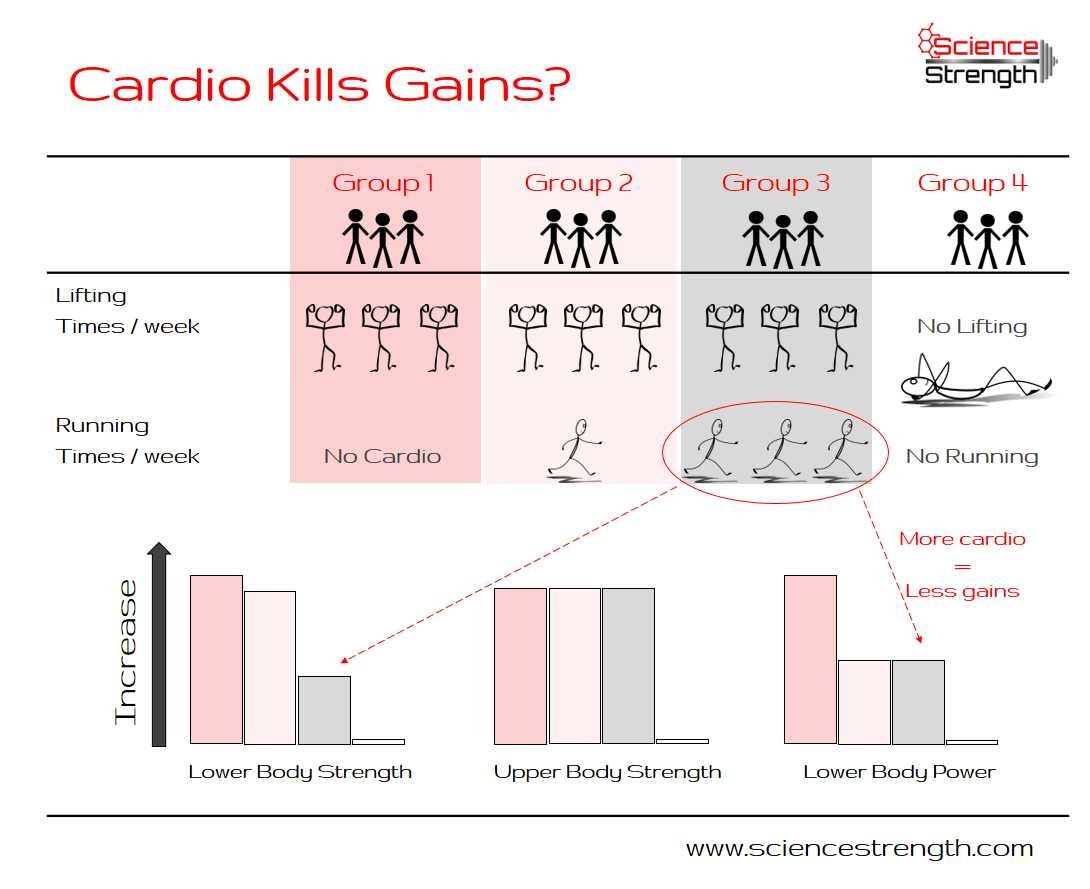
Doing too much cardio can sabotage your muscle-building efforts before you realize it. The quick answer? Excessive cardio can lead to muscle loss, impair recovery, and reduce strength gains, making it harder to build muscle effectively. To maximize gains, balance cardio with strength training and avoid overdoing it on the aerobic side.
Too many people think cardio is the key to a lean physique, but when it’s overdone, it can actually kill your progress in the gym. Cardio is great for cardiovascular health and burning calories, but too much can cause your body to break down muscle for fuel and hinder muscle growth. It can also drain your energy, making your strength workouts less effective, and impair recovery from intense lifting. If you’re serious about building muscle, knowing how to balance cardio with weight training is essential. In this article, we’ll explore how cardio can be counterproductive for gains and share tips on how to include it wisely in your fitness routine.

How Cardio Kills Gains
Understanding the Impact of Cardio on Muscle Growth
Many people believe that doing cardio helps improve overall health and endurance, but it can also have a downside when trying to build muscle. Cardio, especially when done excessively, can interfere with muscle development. This happens because cardio burns calories and energy that your muscles need to grow.
When you do too much cardio, your body might prioritize burning fat over building muscle. This means less energy is available for your muscles to repair and grow stronger. As a result, your gains can slow down or even stop altogether.
The Science Behind Cardio and Muscle Gains
Research shows that doing high volumes of cardio can lead to muscle loss. When your body is in a calorie deficit, it starts to break down muscle tissue for energy. This process, called catabolism, can hinder muscle growth and reduce strength.
Furthermore, excessive cardio increases the production of stress hormones like cortisol. High cortisol levels can break down muscle tissue and impair recovery. This makes it harder for your muscles to get bigger and stronger over time.
Cardio and Calories Burned
Cardio exercises, like running or cycling, can burn a significant number of calories quickly. If not balanced with proper nutrition, this calorie expenditure can prevent muscle growth. To build muscle, your body needs more calories than it burns in daily activities, especially when lifting weights.
A common mistake is doing cardio too frequently without adjusting diet accordingly. This can lead to a caloric deficit that stops muscle gains altogether.
Effects on Recovery and Muscle Repair
Recovery is crucial for muscle growth. Cardio can extend recovery time because it causes additional fatigue and muscle stress. If you do intense cardio immediately after lifting weights, your muscles might not recover properly, hampering growth.
In addition, cardio increases blood flow, which is good, but excessive cardio can limit the time your muscles spend recovering and rebuilding. Balancing cardio with strength training is key to ensuring muscles get enough rest.
Why Excessive Cardio Can Impair Strength Gains
Strength gains depend on progressive overload and sufficient recovery. Too much cardio can weaken these processes by sapping energy and increasing fatigue. This leads to poorer performance during weightlifting sessions.
High volumes of cardio can also cause central nervous system fatigue. When your nervous system is tired, your ability to lift heavy weights and perform at your best diminishes, affecting muscle growth.
The Role of Calories and Macronutrients
Diet plays a vital role in muscle building. When doing lots of cardio, it’s easy to fall into a calorie deficit, which hampers gains. Eating enough protein, carbs, and fats is necessary to support muscle repair and energy needs.
People who want to maximize gains should focus on consuming sufficient calories, especially from protein sources. This helps counteract the calorie-burning effects of cardio and promotes muscle growth.
Balancing Cardio and Strength Training
To avoid “cardio kills gains,” it’s important to find a balance between cardio and weight training. Incorporate moderate cardio sessions, like 2 to 3 times a week, with proper rest days.
Prioritize strength training with progressive overload to ensure continuous muscle gains. Use cardio as a tool for cardiovascular health rather than a primary method for fat loss at the expense of muscle.
Strategies to Minimize the Negative Effects of Cardio
Opt for low to moderate intensity cardio sessions. Keep duration under 30 minutes to prevent excessive calorie burning.
Schedule cardio sessions on separate days or after strength training. Focus on sessions like brisk walking, swimming, or cycling at a steady pace.
Proper nutrition is also key. Increase your caloric intake on days you perform cardio to ensure you have enough energy for recovery and muscle growth.
Related Topics: How to Incorporate Cardio Without Sacrificing Gains
- Perform high-intensity interval training (HIIT) instead of long steady-state cardio for better fat burning without muscle loss.
- Limit cardio to 2-3 sessions per week, focusing on quality rather than quantity.
- Ensure your diet is aligned with your training goals by eating enough protein and calories to support muscle growth.
- Use proper recovery techniques, including rest days, stretching, and adequate sleep, to support muscle repair.
While cardio has many health benefits, doing too much can hinder muscle gains. Excessive cardio can lead to muscle loss, increased fatigue, and hormonal imbalances that prevent you from building strength and size. The key is balancing cardio with strength training and maintaining proper nutrition. By carefully managing your cardio sessions, you can stay healthy while maximizing your muscle growth potential.
Frequently Asked Questions
Can doing too much cardio interfere with muscle recovery?
Yes, excessive cardio can hinder muscle recovery because it increases overall fatigue and depletes energy reserves needed for repairing muscles. When your body focuses on frequent cardio sessions, it may divert nutrients away from muscle repair processes, leading to slower recovery times and potential muscle loss. Balancing cardio with adequate rest and proper nutrition helps prevent recovery issues and maintains muscle growth.
How does cardio impact hormone levels related to muscle growth?
Intense or prolonged cardio sessions can elevate cortisol levels, a hormone that promotes muscle breakdown and inhibits growth. Elevated cortisol, especially without proper recovery, may lead to muscle wasting and reduce the effectiveness of strength training. Incorporating moderate cardio and ensuring sufficient rest can help maintain a healthier hormonal balance conducive to muscle gains.
What effects does regular cardio have on strength training performance?
Performing frequent or long-duration cardio can sap energy levels and decrease strength during resistance training sessions. Fatigue from cardio may lead to reduced lifting capacity, fewer repetitions, and compromised form, all of which slow down muscle development. To prevent this, scheduling cardio sessions in a way that doesn’t interfere with strength workouts allows you to maximize gains.
Does cardio cause muscle loss even if I am lifting weights regularly?
While lifting weights promotes muscle growth, excessive cardio can counteract these benefits by creating a caloric deficit and increasing muscle breakdown. Without adequate caloric intake and recovery, your body may start using muscle tissue for energy, leading to muscle loss. Striking a balance between cardio and strength training, along with proper nutrition, helps preserve and build muscle mass effectively.
Can the timing of cardio sessions affect muscle gains?
Final Thoughts
In summary, how cardio kills gains by interfering with muscle recovery and growth is clear. Excessive cardio increases fatigue, reducing strength and workout quality. This limits muscle development and slows progress.
Balancing cardio with resistance training ensures optimal results. Prioritize strength workouts and keep cardio sessions moderate. Doing so helps maximize muscle gains while maintaining cardiovascular health.
As an Amazon Associate, We earn from qualifying purchases. When you purchase a product through Amazon links on pulsefitguide.com, we may earn a small commission at no extra cost to you. This helps support the site and keep our content free.
