


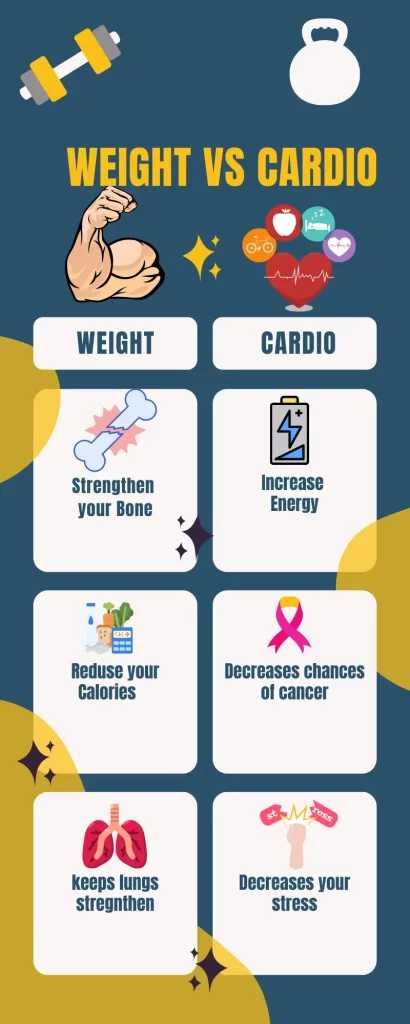
Incorporating cardio into your routine is one of the fastest ways to shed those extra pounds. Cardio exercises increase your heart rate, helping you burn calories more efficiently and boost your metabolism. By consistently engaging in activities like running, cycling, or swimming, you can create a calorie deficit that leads to weight loss.
Cardio helps in weight loss by burning calories directly and improving overall metabolic health, making it easier to lose and maintain weight. It also enhances fat burning and boosts energy levels, supporting your journey to a healthier body.
Starting a cardio routine can be both fun and effective. Many people overlook its simplicity and powerful impact on weight management, but the truth is, regular cardio sessions can accelerate fat loss and improve your fitness levels. Whether you’re aiming to slim down or just stay active, making cardio a key part of your lifestyle can transform your weight loss efforts into real results.

How Cardio Helps in Weight Loss
Understanding Cardio and Its Role in Burning Calories
Cardio, short for cardiovascular exercise, includes activities like running, cycling, swimming, and brisk walking. These activities increase your heart rate and help your body use energy more efficiently. Engaging in regular cardio burns calories, which is essential for losing weight.
When you do cardio, your body taps into stored fat and carbohydrates to fuel your movements. The more intense and longer your workout, the more calories you burn. Regular cardio sessions can create a calorie deficit, which is key to weight loss.
How Cardio Boosts Your Metabolism
Metabolism is the process your body uses to convert food into energy. Cardio exercise can temporarily boost your metabolic rate even after you finish working out. This effect, called excess post-exercise oxygen consumption, helps you burn more calories throughout the day.
A higher metabolic rate means your body burns more calories at rest. This can make it easier to lose weight and maintain a healthy body weight over time. Consistent cardio can increase your overall daily calorie expenditure significantly.
The Impact of Cardio on Fat Loss
Cardio exercises are especially effective at burning accumulated body fat. When your body needs energy and food isn’t immediately available, it turns to fat reserves. Regular cardio helps deplete fat stores and promotes a leaner physique.
In addition to burning fat during exercise, cardio also influences your hormones that regulate fat breakdown. Activities like running and cycling can increase levels of hormones such as adrenaline and noradrenaline, which speed up fat breakdown.
Types of Cardio and Their Weight Loss Benefits
Different types of cardio offer unique benefits for weight management. Let’s explore some popular options:
- Running and Jogging: High calorie burners, effective for rapid weight loss when done consistently.
- Cycling: Low-impact, suitable for those with joint issues, and burns a significant number of calories.
- Swimming: Full-body workout that tones muscles and burns calories efficiently.
- Brisk Walking: Accessible for most people, easy to incorporate into daily routines, aids gradual weight loss.
- Jump Rope: High-intensity workout in short time frames, excellent for calorie burning and cardiovascular health.
Choosing the right type of cardio depends on your fitness level, preferences, and any existing health conditions. Mixing different forms can keep your routine interesting and maximize fat burning.
How Often Should You Do Cardio for Weight Loss?
For effective weight loss, experts recommend aiming for at least 150 minutes of moderate-intensity or 75 minutes of high-intensity cardio weekly. This can be broken down into sessions lasting about 30 minutes, five times a week.
Starting with shorter sessions and gradually increasing duration and intensity helps prevent injury and ensures your body adapts well. Consistency is key — regular cardio over several weeks leads to noticeable weight loss results.
Benefits of Combining Cardio with Strength Training
While cardio is great for burning calories, combining it with strength training offers additional benefits. Strength exercises help build muscle, which increases your resting metabolic rate. A higher muscle mass means you burn more calories even when resting.
This combination speeds up weight loss and improves body composition. Incorporate resistance exercises like weightlifting or bodyweight workouts alongside cardio for best results.
Importance of Nutrition in Conjunction with Cardio
Exercise alone isn’t enough to lose weight; proper nutrition complements your cardio efforts. Consuming a balanced diet rich in fruits, vegetables, lean proteins, and whole grains supports your weight loss goals.
Monitoring your calorie intake ensures you create a caloric deficit necessary for weight loss. Hydration is also crucial, as water maintains your energy levels during workouts and aids in recovery.
Potential Challenges and How to Overcome Them
Many people face challenges like fatigue, lack of motivation, or boredom during cardio routines. Setting realistic goals and varying your workouts can keep you motivated.
Remember to listen to your body and avoid overtraining, which can lead to injury. Rest days and proper recovery are vital for sustainable weight loss and overall well-being.
Tracking Progress and Staying Motivated
Keep a workout journal or use fitness apps to monitor your progress. Tracking your improvements in stamina, distance, or calories burned can boost motivation.
Celebrating small milestones helps maintain your commitment. Remember, consistency over time is what leads to lasting weight loss results.
Related Topics and Additional Tips
To maximize your weight loss journey, consider these complementary topics:
- Healthy eating habits to support exercise routines
- Setting realistic goals for weight management
- Incorporating active lifestyle choices such as taking stairs or walking more
- Staying motivated through social support or workout partners
Adding these elements can enhance the benefits of your cardio workouts and help you achieve a healthier lifestyle.
This thorough understanding of how cardio helps in weight loss shows that incorporating regular, purposeful aerobic activity makes a significant difference. It not only promotes calorie burn but also boosts overall health, endurance, and mood, leading to a more enjoyable and sustainable weight management journey.
Frequently Asked Questions
How does cardio contribute to increasing calorie expenditure during workouts?
Cardio exercises actively engage large muscle groups, which require more energy and lead to higher calorie burn. When you perform activities like running, cycling, or swimming, your body uses stored fat and carbohydrates for energy, resulting in significant calorie expenditure during the session. The more intense and prolonged your cardio workout, the more calories you burn, which supports weight loss efforts.
In what ways does cardio improve post-exercise metabolism to aid weight management?
Engaging in cardio activities boosts your metabolic rate immediately after exercise, a phenomenon known as excess post-exercise oxygen consumption (EPOC). This means your body continues to burn calories at a higher rate even after you finish working out. Regular cardio sessions can elevate your resting metabolic rate, making it easier to manage weight over time by increasing overall daily calorie expenditure.
How can cardio help in reducing body fat specifically?
Cardio exercises help reduce body fat by creating a calorie deficit, which occurs when you burn more calories than you consume. Over time, consistent cardio workouts promote fat loss as your body taps into fat stores for energy. Incorporating cardio into your routine helps decrease overall body fat percentage and improves body composition by targeting fat in problem areas.
What role does cardio play in preserving muscle mass during weight loss?
While cardio primarily burns calories and fat, it can also help maintain muscle mass if combined with strength training and proper nutrition. Low to moderate-intensity cardio minimizes muscle loss, especially when performed with adequate protein intake. This approach helps ensure that weight loss results in fat reduction rather than muscle depletion, promoting a healthier body composition.
How does consistency in cardio workouts influence long-term weight loss success?
Consistent cardio exercise establishes a steady calorie deficit, which is crucial for sustained weight loss. Regular workouts also improve cardiovascular health, increase stamina, and establish healthy habits that support ongoing weight management. Over time, maintaining a routine helps solidify lifestyle changes and ensures continuous progress toward your weight loss goals.
Final Thoughts
Cardio boosts calorie burn and increases metabolism, making weight loss more effective. It also helps improve endurance, motivating you to stay active longer. Consistent cardio sessions create a calorie deficit, crucial for shedding pounds.
Incorporating regular cardio into your routine can accelerate your weight loss journey and improve overall health.
How cardio helps in weight loss is clear: it burns calories efficiently and supports long-term progress.
As an Amazon Associate, We earn from qualifying purchases. When you purchase a product through Amazon links on pulsefitguide.com, we may earn a small commission at no extra cost to you. This helps support the site and keep our content free.
