


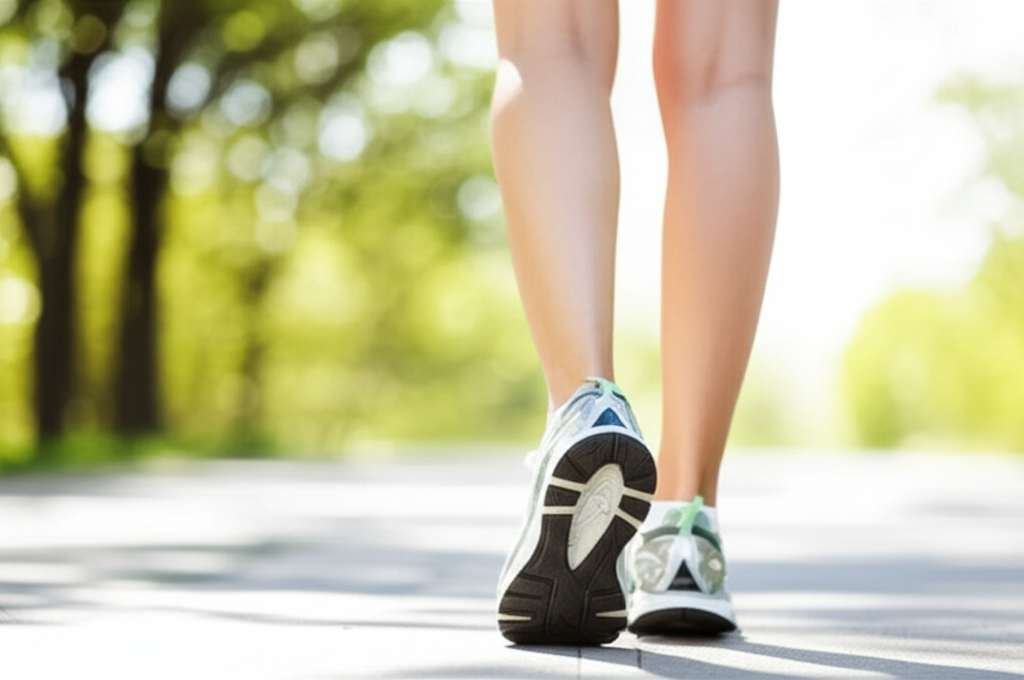
Summary: Yes, you can significantly reduce thigh fat by walking! Consistency is key. Combine regular, brisk walking with a balanced diet to burn calories and build lean muscle, which helps slim down your thighs over time.
Are you looking to slim down your thighs but feel a bit lost on where to start? Many people find that stubborn fat in this area can be frustrating. It’s a common concern, and the good news is you don’t need complicated workouts or expensive equipment.
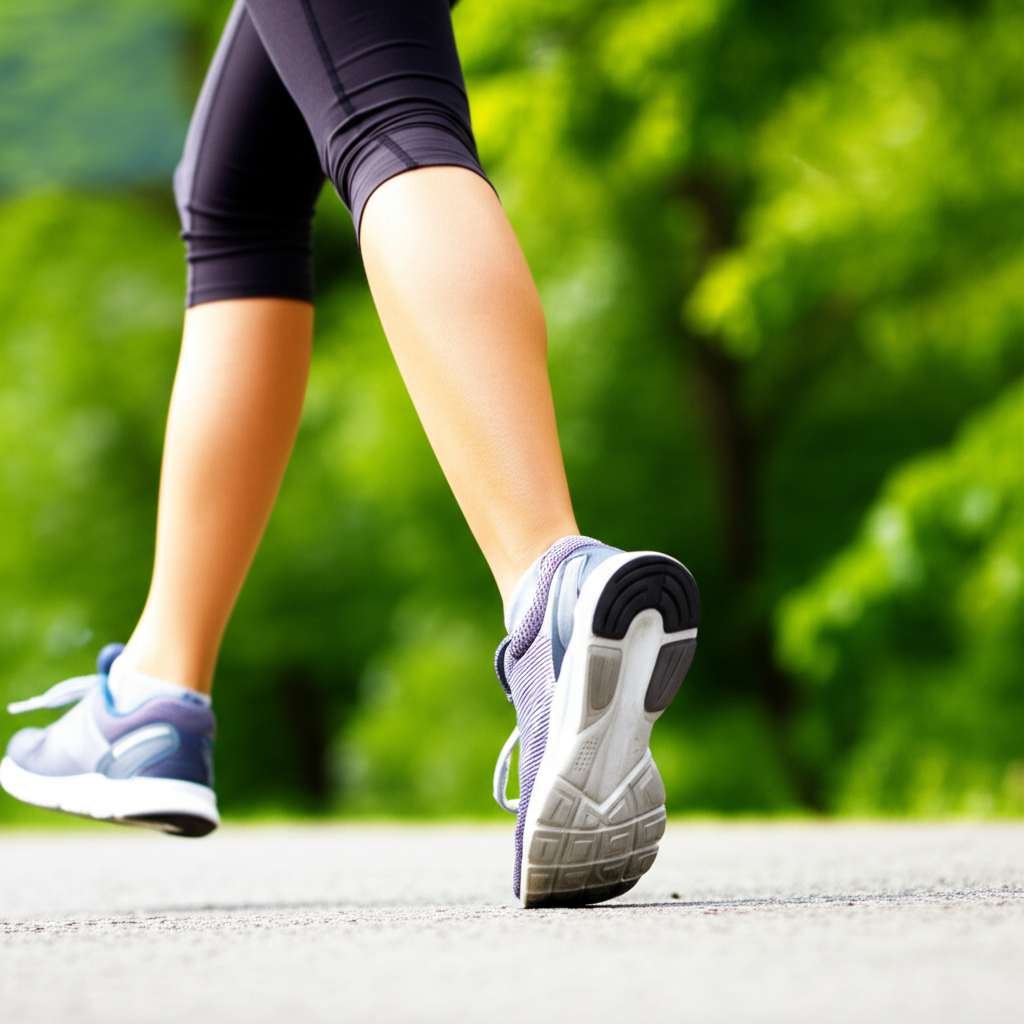
Walking is a fantastic, accessible, and effective way to help melt away that excess fat. It’s gentle on your joints and can be easily incorporated into your daily routine.
In this guide, we’ll break down exactly how walking can help you achieve slimmer thighs, step by step. We’ll cover the best ways to walk for fat loss and how to make it a sustainable habit.
Understanding Thigh Fat and Weight Loss
Before we dive into the “how,” let’s briefly touch on why targeting fat in specific areas, like your thighs, can seem tricky. Our bodies store fat differently based on genetics, hormones, and other factors. While you can’t “spot reduce” fat (meaning you can’t choose only to lose fat from your thighs), you can reduce your overall body fat percentage, and your thighs will be part of that process.
When you consistently burn more calories than you consume, your body starts using stored fat for energy. This overall fat loss will naturally lead to a reduction in the fat on your thighs, as well as other areas.
Walking is a brilliant tool because it’s a form of cardiovascular exercise that burns calories and helps create that essential calorie deficit needed for fat loss. It also engages your leg muscles, which can help tone and firm them up as fat decreases.
Why Walking is Your Secret Weapon for Thigh Fat Loss
Walking might seem simple, but its benefits for weight loss, especially for your thighs, are powerful. It’s a low-impact activity, meaning it’s easier on your knees and ankles compared to running, making it ideal for beginners or those with joint concerns.
Here’s why walking is so effective:
- Calorie Burning: Every step you take burns calories. The longer and faster you walk, the more calories you’ll burn, contributing to the calorie deficit needed for fat loss.
- Muscle Engagement: Walking actively uses your quadriceps (front of thighs), hamstrings (back of thighs), and glutes. While it’s not strength training, this consistent engagement helps build lean muscle, which boosts your metabolism.
- Improved Metabolism: Regular physical activity, like brisk walking, can help improve your overall metabolic rate. A higher metabolism means your body burns more calories even at rest.
- Stress Reduction: Walking can be a great stress reliever. High stress levels can sometimes lead to weight gain, so anything that helps you de-stress is a bonus!
- Accessibility and Affordability: You don’t need a gym membership or fancy gear. All you need is a comfortable pair of shoes and a safe place to walk.
The Science Behind Walking and Fat Loss
Weight loss, in general, boils down to a calorie deficit. This means burning more energy (calories) than you take in through food and drinks. Walking contributes to this by increasing your energy expenditure.
When you walk, your body uses glucose (from carbohydrates) and stored fat for energy. The intensity and duration of your walk influence how much fat your body burns. Generally, longer walks and walking at a brisk pace (where you can talk but not sing) are more effective for fat burning.
Furthermore, as you walk regularly, your body becomes more efficient at using fat as fuel. Building lean muscle through consistent walking also plays a role. Muscle tissue is metabolically active, meaning it burns more calories at rest than fat tissue. So, as your leg muscles get stronger and more toned from walking, your resting metabolism can increase, aiding in overall fat loss.
According to the Centers for Disease Control and Prevention (CDC), adults should aim for at least 150 minutes of moderate-intensity aerobic activity per week. Brisk walking fits perfectly into this recommendation.
How to Walk for Maximum Thigh Fat Loss
Simply strolling around might not be enough to see significant changes in thigh fat. To maximize your results, you need to walk with purpose and consistency. Here’s how to do it:
1. Aim for Brisk Walking
The key is to elevate your heart rate and get your breathing heavier. A brisk walk is one where you can talk but would struggle to sing a song. This is considered moderate-intensity exercise.
Try to incorporate at least 30-60 minutes of brisk walking most days of the week. If you’re new to exercise, start with shorter durations (15-20 minutes) and gradually increase as you get fitter.
2. Increase Your Steps Daily
Beyond just dedicated walking sessions, aim to increase your overall daily step count. This means taking the stairs instead of the elevator, parking further away, or going for short walks during breaks. More steps equal more calories burned throughout the day.
Consider using a pedometer or a fitness tracker on your phone to monitor your steps. Many people find setting a daily goal, like 8,000-10,000 steps, highly motivating.
3. Incorporate Inclines and Hills
Walking on an incline or up hills is a fantastic way to increase the intensity of your workout without necessarily increasing your speed. This engages your leg muscles more intensely, particularly your quadriceps and glutes, which can help tone your thighs.
Look for local parks with hilly trails, or if you have access to a treadmill, use the incline feature. Even walking up a few flights of stairs multiple times a day can make a difference.
4. Vary Your Walking Routines
To keep your body challenged and prevent boredom, vary your walking routines. This could involve:
- Interval Walking: Alternate between periods of brisk walking and slightly slower recovery walks. For example, walk briskly for 3 minutes, then walk at a moderate pace for 2 minutes, and repeat.
- Different Terrains: Walk on different surfaces like grass, sand, or trails. These can be more challenging than paved surfaces and work your muscles differently.
- New Routes: Explore new neighborhoods or parks. This keeps things interesting and can help you discover new hills or challenging paths.
5. Focus on Form
Good walking posture can help you engage your muscles more effectively and prevent injuries. Stand tall, keep your shoulders relaxed, and swing your arms naturally from your shoulders. Engage your core muscles by gently pulling your belly button towards your spine.
Walking Workout Plan for Beginners
Here’s a sample weekly walking plan designed for beginners looking to reduce thigh fat. Remember to listen to your body and adjust as needed.
Week 1-2: Building the Foundation
Focus on consistency and getting your body used to moving. The goal is to establish a habit.
- Monday: 20 minutes of moderate-paced walking.
- Tuesday: Rest or light activity (e.g., stretching, gentle walk).
- Wednesday: 25 minutes of moderate-paced walking.
- Thursday: Rest or light activity.
- Friday: 20 minutes of moderate-paced walking.
- Saturday: 30 minutes of moderate-paced walking.
- Sunday: Rest.
Week 3-4: Increasing Duration and Intensity
Gradually increase the length of your walks and start introducing some faster bursts.
- Monday: 30 minutes of brisk walking.
- Tuesday: Rest or light activity.
- Wednesday: 35 minutes, including 5 x 1-minute bursts of faster walking (where you can’t talk easily) followed by 2 minutes of moderate walking.
- Thursday: Rest or light activity.
- Friday: 30 minutes of brisk walking.
- Saturday: 40 minutes, aiming for a steady brisk pace.
- Sunday: Rest.
Week 5-6: Adding Hills and Intervals
Introduce inclines and more structured interval training.
- Monday: 30 minutes of brisk walking with 2-3 short, gentle hills.
- Tuesday: Rest or light activity.
- Wednesday: 35 minutes of interval walking: 3 minutes brisk, 1 minute fast (challenging pace), repeat.
- Thursday: Rest or light activity.
- Friday: 35 minutes of brisk walking, focusing on good form.
- Saturday: 45 minutes, incorporating a longer hill or a more challenging route.
- Sunday: Rest.
Remember to warm up for 5 minutes before each walk and cool down for 5 minutes afterward, including some stretching for your legs.
The Crucial Role of Nutrition
While walking is excellent for burning calories and toning muscles, you can’t out-walk a bad diet. Nutrition plays a vital role in fat loss. To lose thigh fat, you need to ensure you’re in a calorie deficit consistently.
Focus on a balanced diet rich in whole foods:
- Lean Proteins: Chicken, fish, beans, lentils, tofu. These help build and repair muscle and keep you feeling full.
- Complex Carbohydrates: Whole grains (oats, brown rice, quinoa), fruits, and vegetables. These provide sustained energy.
- Healthy Fats: Avocados, nuts, seeds, olive oil. These are important for hormone production and satiety.
- Plenty of Water: Staying hydrated is crucial for metabolism and overall health.
Limit processed foods, sugary drinks, and excessive unhealthy fats, as these can contribute to excess calorie intake and hinder fat loss.
For more information on healthy eating, you can explore resources from the U.S. Department of Agriculture (USDA) on MyPlate.
When to Expect Results
It’s important to be patient with yourself. Fat loss is a journey, and results don’t happen overnight. With consistent brisk walking (at least 30-60 minutes most days) and a healthy diet, you can start to notice changes in your thigh size and overall body composition within 4-8 weeks.
Factors like your starting weight, genetics, diet adherence, and the intensity of your walks will influence how quickly you see results. Focus on building sustainable habits rather than chasing quick fixes.
Tracking Your Progress
Keeping track of your progress can be incredibly motivating. Here are a few ways to do it:
- Measure Your Thighs: Use a measuring tape to record the circumference of your thighs every 2-4 weeks.
- Take Progress Photos: Photos can show changes that the scale might not reflect, especially when you’re building muscle.
- Note How Your Clothes Fit: Often, clothes will feel looser as you lose inches, even if the number on the scale hasn’t changed much.
- Monitor Your Energy Levels and Mood: You might find you have more energy and feel better overall as you become more active.
Don’t get discouraged if the scale doesn’t move significantly at first. As mentioned, building muscle can sometimes offset fat loss on the scale, but it’s a positive change for your body composition!
Potential Benefits of Walking Beyond Thigh Fat Loss
While your primary goal might be thigh fat reduction, the benefits of regular walking extend far beyond that. You’ll likely experience:
- Improved Cardiovascular Health: Walking strengthens your heart and lungs, reducing the risk of heart disease and stroke.
- Better Mood and Reduced Stress: Physical activity releases endorphins, which are natural mood boosters.
- Increased Energy Levels: Counterintuitively, expending energy through exercise can make you feel more energized throughout the day.
- Stronger Bones and Muscles: Regular weight-bearing exercise like walking helps maintain bone density and strengthens muscles and joints.
- Improved Sleep Quality: Consistent physical activity can help you fall asleep faster and enjoy deeper sleep.
Walking vs. Other Exercises for Thigh Fat
While walking is fantastic, it’s good to know how it fits into the bigger picture of exercise. Strength training, for example, is excellent for building muscle mass. More muscle means a higher metabolism, which helps burn more calories overall. Exercises like squats, lunges, and deadlifts are particularly effective for building leg strength and muscle.
However, for beginners, walking is often the most accessible and sustainable starting point. It provides a solid cardiovascular base and engages your leg muscles. Combining brisk walking with 2-3 sessions of bodyweight strength training per week would be an even more powerful approach for body composition changes, including thigh fat reduction.
Here’s a simple comparison:
| Exercise Type | Primary Benefits for Thighs | Calorie Burn (Estimate) | Beginner Friendliness |
|---|---|---|---|
| Brisk Walking | Calorie burning, leg muscle toning, endurance | Moderate (increases with speed/duration/incline) | Very High |
| Running/Jogging | High calorie burn, significant leg muscle engagement | High | Moderate (higher impact) |
| Strength Training (Squats, Lunges) | Builds muscle, increases metabolism, tones | Moderate (during exercise), High (after-burn effect) | Moderate (requires proper form) |
Walking offers a great balance of calorie burn and muscle engagement with minimal risk of injury, making it a top choice for many.
Frequently Asked Questions (FAQ)
Q1: How long do I need to walk each day to lose thigh fat?
Aim for at least 30-60 minutes of brisk walking most days of the week. Consistency is more important than doing one very long walk sporadically. Gradually increasing your duration and intensity will yield better results over time.
Q2: Can I lose fat from only my thighs by walking?
No, you cannot spot-reduce fat. When you lose weight by walking and creating a calorie deficit, your body will lose fat from all areas, including your thighs. Consistent walking helps reduce overall body fat, which will naturally slim your thighs.
Q3: What if I can’t walk for 30 minutes straight?
That’s perfectly okay! Start with shorter walks, like 10-15 minutes, and do them a couple of times a day. As your fitness improves, you can gradually increase the duration of each walk until you reach your goal.
Q4: Do I need special shoes for walking?
Yes, wearing supportive, well-fitting walking shoes is highly recommended. They provide cushioning and support, helping to prevent injuries like shin splints or blisters and making your walks more comfortable.
Q5: How can I make my walks more challenging to burn more calories?
You can increase the challenge by walking faster, incorporating hills or inclines, adding interval bursts (alternating fast and moderate paces), or carrying light weights (like small dumbbells or a weighted vest, if comfortable).
Q6: How often should I walk?
For optimal results in fat loss, aim to walk at a brisk pace for 30-60 minutes at least 5 days a week. However, any amount of regular walking is beneficial. Even 3-4 days a week will start to make a difference.
Q7: Will walking make my thighs bigger?
No, walking will not make your thighs bigger unless you are specifically doing very intense strength training exercises focused solely on building massive thigh muscle. For most people, brisk walking will help to tone and slim the thighs by burning fat and building lean muscle, which is denser than fat.
Conclusion
Losing thigh fat by walking is an achievable goal for anyone willing to put in consistent effort. It’s a gentle yet effective way to burn calories, improve your health, and sculpt your body. Remember that the key components are:
- Consistency: Aim for regular, brisk walks most days of the week.
- Intensity: Walk at a pace that elevates your heart rate and makes you breathe a little heavier.
- Diet: Support your walking efforts with a balanced, healthy diet to create a calorie deficit.
- Patience: Trust the process and celebrate your progress, no matter how small it seems at first.
By integrating these principles into your routine, you’ll not only work towards slimmer thighs but also enjoy a wealth of other health benefits. So, lace up those shoes, step outside, and start your journey to a healthier, more confident you!
As an Amazon Associate, We earn from qualifying purchases. When you purchase a product through Amazon links on pulsefitguide.com, we may earn a small commission at no extra cost to you. This helps support the site and keep our content free.
