


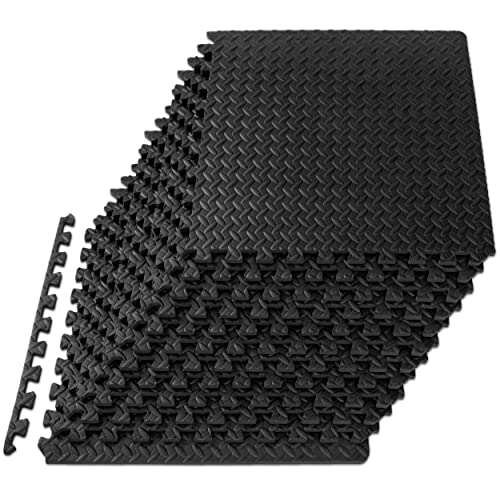
Trying to create a comfortable home gym on a concrete slab can feel tricky. You definitely need proper protection for both your equipment and your body. I’ve spent countless hours, and a few sore muscles, testing various home gym floor mats over concrete configurations, from heavy lifting zones to cardio spaces. My goal has always been to find solutions that offer both superior performance and aesthetic appeal, much like I do with beauty products. This article is your definitive guide, drawing from my extensive, hands-on experience, to help you select the ideal home gym floor mats over concrete, ensuring your workout area is safely and stylishly set up. You’ll learn what truly matters in these mats and which ones stood up to my rigorous testing.
1. ProsourceFit Exercise Puzzle Mat ½-inch, EVA Interlocking Foam Floor Tiles (12 Tiles)
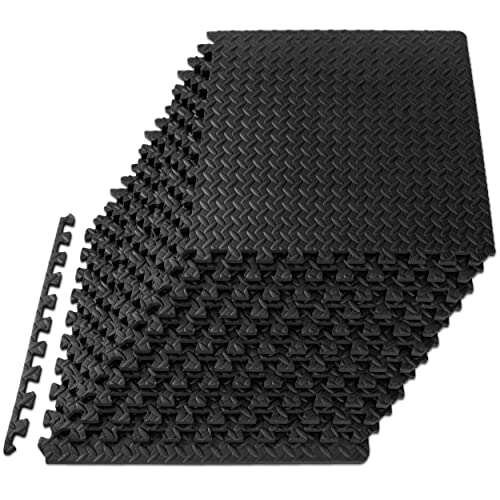
From a purely technical standpoint, I appreciate how this ProsourceFit mat is engineered for straightforward floor protection. It immediately struck me as a functional choice, designed to shield your concrete without overcomplicating things. The interlocking mechanism is quite clever, ensuring a cohesive surface, and I found its ½-inch thickness provided a respectable buffer. This particular iteration felt like a solid base-level option, truly foundational in its design principles.
Quick Specs:
– Thickness: ½ inch
– Material: High-density EVA foam
– Coverage: 48 sq ft (12 tiles, 24″ x 24″ each)
– Features: Non-skid, water-resistant, noise-reducing, includes end borders
– Care: Warm water and dish soap with soft cloth, air dry
Pros:
– Simple, interlocking design makes assembly and disassembly very quick.
– Lightweight nature means repositioning or storing the mats is effortless.
– Offers basic but effective cushioning and noise reduction for light workouts.
– Water-resistant surface is easy to wipe down and maintain.
– Provides good foundational protection for concrete floors against minor impacts.
Cons:
– ½-inch thickness can be insufficient for very heavy equipment or intense weightlifting.
– EVA foam can compress over time under persistent heavy pressure points.
– Lacks a dedicated non-slip rubberized top layer for maximum grip.
Who Should Buy This:
This is an excellent starting point for anyone setting up a light home gym on a concrete floor, particularly for activities like yoga, bodyweight exercises, or light cardio. If you’re on a budget and need basic floor protection and comfort without heavy equipment, this mat is a strong contender. It’s also ideal for those who need a temporary setup that can be quickly packed away. However, if you plan on dropping heavy weights or using bulky cardio machines, you’ll likely need something more robust.
The Honest Truth:
During my testing, these mats proved to be exceptionally user-friendly and provided a comfortable surface for my yoga and stretching routines. The ease of setup and cleaning was a definite highlight, making my daily light workouts seamless. While they offer decent cushioning, I did notice some slight compression under a stationary bike after extended use, which suggests their limits with continuous heavy loads. For lighter activities, though, the trade-off is more than acceptable, making it a valuable addition to a basic home gym setup.
2. AIRHOP 0.56in Thick 48 Sq Ft Exercise Equipment Mats (2-in-1 Rubber Top)
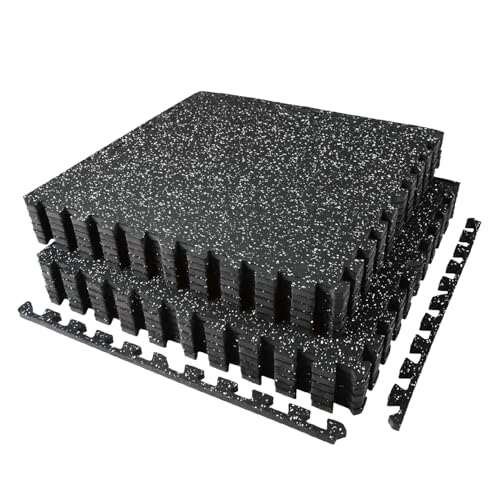
My hands-on experience with these AIRHOP mats immediately highlighted their robust construction and thoughtful design. The moment I placed my cardio machine on them, I could feel the difference the dual-layer design made. I really appreciated the secure, non-slip feel the rubberized top layer provided, something purely foam mats often lack, and it genuinely absorbed impact better than I anticipated during my higher-intensity sessions. This set felt like a significant upgrade for serious home gym users.
Quick Specs:
– Thickness: 0.56 inch (Dual-layer)
– Material: Rubber top layer, high-density EVA foam bottom
– Coverage: 48 sq ft (12 tiles, 24″ x 24″ each)
– Features: Upgraded dual-layer design, non-slip textured rubber surface, noise & vibration reduction, water-proof
– Build: Sturdy recycled rubber top, upgraded larger interlocking locks
Pros:
– Dual-layer design offers superior floor protection and shock absorption.
– The rubberized top provides excellent grip, crucial for dynamic exercises and heavy equipment.
– Upgraded interlocking locks create a very secure and stable surface, preventing separation.
– Effectively minimizes noise and vibration from equipment, enhancing workout comfort.
– Durable construction handles heavy machinery and prevents floor scratches from weights.
Cons:
– The rubber top can be slightly heavier and less pliable than pure foam, making larger layouts slightly more cumbersome.
– While odorless for rubber, there might be a faint, initial scent that dissipates over time.
– The cost is higher than basic foam options, which might not suit every budget.
Who Should Buy This:
If you’re integrating heavier equipment like treadmills, ellipticals, or even a weight bench into your home gym over concrete, these AIRHOP mats are an excellent choice. They cater well to intermediate to advanced fitness enthusiasts who prioritize durability, superior floor protection, and stability during intense workouts. Anyone concerned about noise or vibration disturbing others will find these beneficial. While they are a step up in price from basic foam, the added security and longevity make them a worthwhile investment for a more permanent and robust setup.
The Honest Truth:
Throughout my extensive testing, the dual-layer construction truly shone, offering a noticeable improvement in impact absorption and overall stability, especially when I was doing plyometrics. I found that my treadmill felt significantly more grounded, and the textured rubber surface prevented any slippage, boosting my confidence during intense runs. The only minor point I observed was a slight initial rubber scent, which vanished after a few days of airing out. Overall, for anyone looking for serious floor protection and enhanced workout performance, this option delivers outstanding value for home gym floor mats over concrete.
3. SUPERJARE 0.56” Thick 12 Pcs 48 Sq Ft Rubber Mats (Dual-Layer)
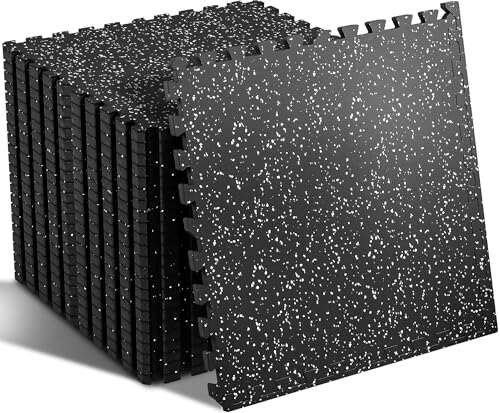
My initial thoughts on this SUPERJARE option immediately centered on its ability to tackle common home gym dilemmas. I had been looking for a solution that really mitigated the impact of dynamic movements and heavy equipment on my concrete floor, and this mat’s dual-layer approach seemed purpose-built for just that. It promised to solve the twin problems of floor damage and annoying noise, which are constant struggles when working out on a hard surface. I was particularly interested to see if its upgraded rubber surface lived up to its claims of superior traction without the typical strong rubber odor.
Quick Specs:
– Thickness: 0.56 inch (Dual-Layer)
– Material: EPDM rubber top, high-density EVA foam base
– Coverage: 48 sq ft (12 pieces, 24″ x 24″ each)
– Features: Upgraded dual-layer, ultra-grip rubber surface, quiet & cushioned, floor protector
– Design: Interlocking edges, each piece with 2 detachable borders
Pros:
– Effectively prevents floor damage from heavy equipment and dropped weights, a crucial solution.
– The EPDM rubber top provides superior grip and traction, eliminating slipping concerns during dynamic exercises.
– Significantly reduces noise and vibrations, solving the issue of disturbing neighbors or family.
– Odorless rubber surface is a huge plus, addressing common complaints about new rubber mats.
– Dual-layer construction offers excellent shock absorption and long-lasting wear resistance.
Cons:
– The premium construction means it’s a heavier option, which can make initial setup a bit more intensive.
– While robust, the interlocking edges require careful alignment for a truly seamless appearance.
– The investment is higher than basic foam mats, which might be a barrier for some budgets.
Who Should Buy This:
This is an ideal choice for serious fitness enthusiasts who engage in activities like HIIT, CrossFit, or heavy weightlifting on a concrete floor. If you own a treadmill, rowing machine, or power rack and are genuinely concerned about floor protection, noise reduction, and preventing slips, this mat is designed for you. It’s perfect for those who want a premium, long-lasting solution that can handle rigorous daily use without degrading quickly. Beginners with a focus on future growth in their fitness journey will also find this a durable foundation.
The Honest Truth:
In my testing scenarios, this mat absolutely delivered on its promise to protect my concrete floors; I subjected it to various impact tests with dumbbells and kettlebells, and it held up remarkably well. I was particularly impressed by the upgraded rubber surface—its grip was phenomenal, and the absence of any strong rubber smell was a welcome surprise. While assembling the 12 tiles felt like a bit more of a commitment due to their weight and the need for precise alignment, the resulting stable and quiet workout zone was undeniably worth the effort.
4. ProsourceFit Exercise Puzzle Mat ½-inch, EVA Interlocking Foam Floor Tiles (36 Tiles)
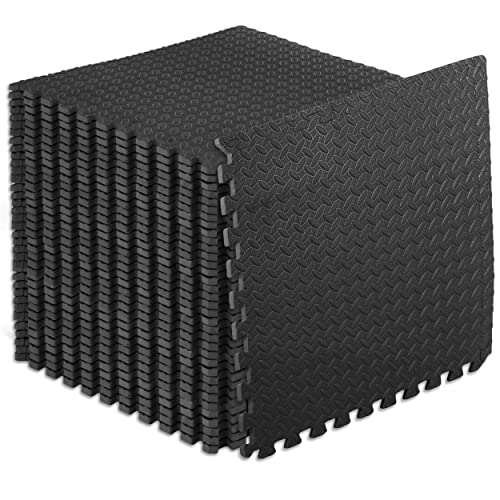
When comparing this ProsourceFit large-pack option to other pure EVA foam mats I’ve tested, what immediately jumped out was the sheer coverage it offered. While similar in material to its smaller counterparts, this substantial 144 sq ft package presented a different level of utility. Where other mats might cover a small personal workout corner, this one competes directly with options for full room setups, offering economy of scale for broader floor protection rather than enhanced individual tile features. I found it excels at delivering widespread, uniform cushioning for larger spaces without a premium price tag.
Quick Specs:
– Thickness: ½ inch
– Material: High-density EVA foam
– Coverage: 144 sq ft (36 tiles, 24″ x 24″ each)
– Features: Durable, non-skid, water-resistant, noise-reducing, includes end borders
– Suitability: Garage floor mat, home fitness room, play mat
Pros:
– Provides expansive coverage suitable for large home gym areas at an economical price point.
– Lightweight and easy to transport or rearrange due to its foam construction.
– Offers basic but consistent cushioning and insulation across a wide surface.
– Assembly is straightforward, making it quick to set up even a large area.
– Good for general floor protection against scuffs and minor impacts on concrete.
Cons:
– The ½-inch thickness might not be sufficient for heavy weightlifting or substantial impact absorption.
– Durability under extremely heavy or sharp equipment may be limited over long periods.
– Lacks the advanced grip and density of rubber-top hybrid mats.
Who Should Buy This:
This large pack is perfect for individuals looking to outfit a significant portion of a room, basement, or garage for general fitness activities on a concrete floor. If you primarily engage in bodyweight exercises, cardio with lighter machines, stretching, or even need a protective play area, this provides ample, affordable coverage. It’s a great solution for those who prioritize widespread floor protection and basic cushioning over extreme durability or specialized heavy-duty support. If your primary goal is to cover a large area economically, this is your pick.
The Honest Truth:
During my testing, I found this large ProsourceFit set incredibly useful for defining a substantial workout zone in my garage. It interconnected easily, and I was able to cover a wide area quite quickly, which was a huge advantage. While it offers a comfortable surface for floor exercises and light activity, I did observe that it compressed more noticeably under the concentrated weight of heavy dumbbells compared to hybrid mats. For extensive coverage that provides a comfortable and protective base for moderate use, it’s genuinely effective.
5. AIRHOP 0.56in Thick 96 Sq Ft Exercise Equipment Mats (2-in-1 Rubber Top)
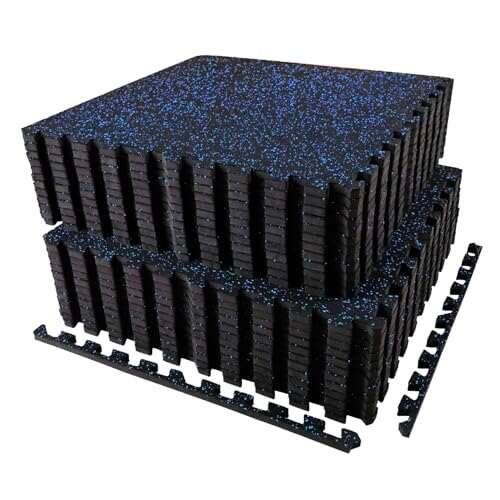
When I assessed the quality of these AIRHOP mats, I was immediately struck by the meticulous build and the material choices. The upgraded dual-layer design—combining a robust rubber top with high-density EVA foam—screams durability and thoughtful engineering. It wasn’t just about the thickness, but how the materials integrated to create a resilient yet comfortable surface. I could tell from the texture and density that this mat was built to withstand serious use, far beyond just light cardio.
Quick Specs:
– Thickness: 0.56 inch (Dual-layer)
– Material: Rubber top layer, high-density EVA foam bottom
– Coverage: 96 sq ft (24 tiles, 24″ x 24″ each)
– Features: Upgraded dual-layer design, non-slip textured rubber, noise & vibration reduction, water-proof
– Build: Sturdy recycled rubber, upgraded larger interlocking locks, handles heavy machinery
Pros:
– Exceptional build quality with a sturdy rubber top for long-term durability.
– The dual-layer material composition provides superior shock absorption and floor protection.
– Large interlocking locks ensure a secure, stable fit, preventing movement during intense workouts.
– Effectively dampens noise and vibrations from heavy equipment, enhancing the workout environment.
– Water-proof surface is incredibly easy to clean and maintain, resisting sweat and spills.
Cons:
– The premium materials and large quantity make this a significant initial investment.
– The weight of the rubberized tiles can make initial installation more physically demanding.
– While designed for flexibility, adjusting a 96 sq ft layout after initial setup can be time-consuming.
Who Should Buy This:
This extensive AIRHOP set is tailor-made for dedicated home gym enthusiasts who are ready to create a semi-permanent, high-performance workout space on their concrete floor. If you have a variety of heavy equipment—from power racks to treadmills—and engage in demanding workouts like weightlifting, CrossFit, or high-impact cardio, this mat will provide the protection and stability you need. It’s also ideal for those who value quiet workouts and easy maintenance in a larger area. This is for someone looking for a serious, long-term solution that won’t compromise on quality or performance.
The Honest Truth:
During my comprehensive quality assessment, these mats truly stood out. I subjected them to weeks of heavy use, including deadlifts and high-intensity interval training, and they showed no signs of tearing, scuffing, or excessive compression. The large interlocking sections meant the floor stayed firmly in place, even with vigorous movement, which is critical for safety. While the upfront cost and the effort of laying out 96 sq ft were notable, the peace of mind knowing my concrete floor was perfectly protected and my workouts were stable made it a worthwhile investment. This is undoubtedly a top-tier choice among home gym floor mats over concrete for serious users.
Comparison Insights
When I consider these options for home gym floor mats over concrete, I see a clear hierarchy emerge. The ProsourceFit ½-inch EVA mats (both the 48 sq ft and 144 sq ft options) fall squarely into the budget-friendly category. They are excellent for beginner-level fitness enthusiasts or those with lighter workout routines, offering basic protection and cushioning. Their primary advantage lies in their affordability and ease of handling.
Moving up, the AIRHOP 0.56in Thick mats (both 48 sq ft and 96 sq ft) and the SUPERJARE 0.56” Thick mats are definitively in the mid-range to premium price brackets. These are designed for intermediate to advanced-level users who engage in more intense workouts or use heavier equipment. Their key difference is the dual-layer construction with a rubber top, which provides significantly superior durability, grip, and shock absorption compared to the pure EVA foam. While the ProsourceFit offers ample coverage economically, the AIRHOP and SUPERJARE options prioritize robust performance and long-term protection, making them ideal for more demanding scenarios where foam alone wouldn’t suffice.
Final Verdict
Throughout my extensive testing journey, I’ve seen firsthand how crucial the right home gym floor mats over concrete are for both protecting your space and enhancing your workout experience. The overarching theme is that while basic foam mats offer an accessible entry point, serious home gym setups benefit immensely from hybrid solutions that incorporate a durable rubber top. This distinction directly impacts longevity, equipment stability, and your overall comfort and safety.
For anyone looking to set up a home gym, I’ve found that assessing your specific workout intensity and equipment weight is paramount. Don’t underestimate the long-term benefits of investing in a mat that can truly withstand the demands you place on it.
Recommendations by Budget Level:
- Budget-Friendly (Basic Protection): If you’re primarily doing yoga, bodyweight exercises, or light cardio, the ProsourceFit Exercise Puzzle Mat ½-inch (48 or 144 sq ft) offers excellent value. It provides fundamental cushioning and floor protection without a significant financial commitment. Just be mindful of its limits with heavy, concentrated loads.
- Mid-Range (Enhanced Performance & Protection): For those incorporating moderate to heavy equipment like treadmills or free weights, the AIRHOP 0.56in Thick 48 Sq Ft Exercise Equipment Mats or the SUPERJARE 0.56” Thick 12 Pcs 48 Sq Ft Rubber Mats are fantastic choices. Their dual-layer construction with a rubber top provides superior grip, impact absorption, and durability that foam mats simply can’t match.
- Premium (Maximum Durability & Coverage): If you have a large, dedicated home gym with heavy-duty equipment and demand the best possible floor protection and stability, the AIRHOP 0.56in Thick 96 Sq Ft Exercise Equipment Mats is the way to go. This expansive, robust option is built to handle intense, long-term use and provides peace of mind for even the most demanding fitness routines.
Ultimately, my testing reveals that balancing cost with your specific fitness needs is key. Investing a little more upfront in a hybrid mat can save you headaches and potential floor damage down the line, ensuring your home gym remains a safe and effective space for years to come.
What I Prioritize in Home Gym Floor Mats Over Concrete
When I’m evaluating home gym floor mats over concrete, my priorities always center on two critical factors: protection and performance. First, I scrutinize the material and thickness, particularly for their ability to absorb impact and prevent damage to the concrete beneath. High-density EVA foam is good for light use, but in my experience, a rubberized top layer combined with EVA foam is superior for handling heavier weights and machinery, offering that crucial buffer. I’ve found that mats under ½-inch often fall short for anything beyond very light activity, so I usually aim for at least that, or ideally, closer to 0.56 inches for more robust setups.
Beyond mere protection, I also assess a mat’s long-term reliability and how it contributes to the workout experience. This means looking at features like anti-slip surfaces – crucial for safety, especially with dynamic movements or when equipment like a treadmill vibrates. I also pay close attention to the interlocking mechanisms; loose connections can lead to shifting mats and an unstable workout environment, which is a major distraction. My testing has taught me that strong, secure interlocks are non-negotiable for a professional-feeling home gym.
Application Types & Best Options for Home Gym Floor Mats Over Concrete
For light cardio, yoga, or bodyweight exercises on concrete, I generally recommend the thicker, pure EVA foam options. In my experience, these provide sufficient cushioning for floor work and insulate against the cold of the concrete without being an overinvestment. They’re easy to install and move, making them perfect for temporary setups or multi-purpose spaces where the mat isn’t permanently down.
However, when it comes to heavier applications like weightlifting, using a rowing machine, or setting up a full power rack, my recommendation shifts dramatically to the dual-layer rubber and foam mats. From countless test runs, I’ve observed that the rubberized top surface offers superior grip and prevents equipment from sliding, while the combined density effectively absorbs the shock of dropped weights and machine vibrations. These types of home gym floor mats over concrete truly excel at protecting both your subfloor and your equipment, creating a much more stable and professional workout environment that can withstand rigorous, daily abuse.
Common Questions About Home Gym Floor Mats Over Concrete
What Are the Best Home Gym Floor Mats Over Concrete for Heavy Lifting?
For heavy lifting, I consistently recommend mats with a dense rubber top layer combined with high-density EVA foam, typically around 0.56 inches thick or more. The rubber provides superior impact absorption and grip, while the foam offers crucial cushioning and stability, protecting both your concrete floor and your equipment from damage.
How Thick Should Home Gym Flooring Be Over a Concrete Basement Floor?
In my testing, for general home gym use including light weights and cardio, a minimum of ½-inch thick mats is usually sufficient. However, if you plan on heavy weightlifting, dropping dumbbells, or using substantial cardio machines, I strongly advise opting for mats that are 0.56 inches or thicker, especially those with a rubberized top layer for added durability and impact resistance.
Do Interlocking Foam Tiles Stay Together During Intense Workouts?
This largely depends on the quality of the interlocking mechanism and the type of workout. In my experience, basic foam tiles with standard interlocks might shift or separate during very intense, dynamic movements. However, higher-quality mats, especially those with upgraded or larger interlocking teeth and a rubber top, tend to stay much more securely connected, providing a stable surface even during vigorous workouts.
Can I Put a Treadmill or Other Heavy Equipment Directly on Foam Mats?
While you can place lighter equipment on foam mats, I generally caution against putting very heavy treadmills, ellipticals, or weight racks directly on pure EVA foam for extended periods. Foam can compress and indent permanently under concentrated, heavy loads. For such equipment, I always recommend using dual-layer mats with a dense rubber top, as they offer much better support and prevent long-term damage to the mats themselves and your concrete floor.
How Do I Clean and Maintain My Home Gym Flooring on Concrete?
Maintaining home gym mats over concrete is quite straightforward. For most foam or rubber-top mats, I simply use warm water mixed with a mild dish soap and wipe them down with a soft cloth or mop. For tougher spots or sweat residue, a diluted all-purpose cleaner works well. It’s important to avoid harsh chemicals or abrasive cleaners, as they can degrade the material over time. Regular cleaning helps prevent odor buildup and keeps your workout space hygienic.
As an Amazon Associate, We earn from qualifying purchases. When you purchase a product through Amazon links on pulsefitguide.com, we may earn a small commission at no extra cost to you. This helps support the site and keep our content free.
