

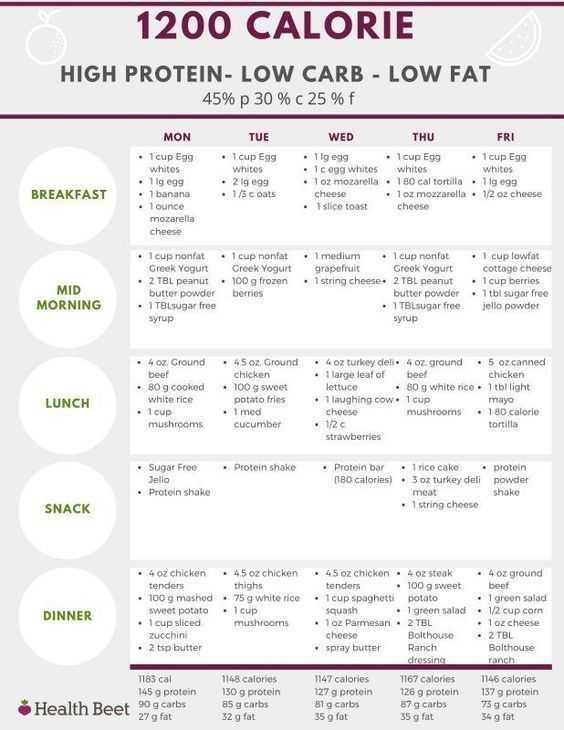
Kickstart your fat loss journey with a high protein, low carb meal plan that keeps you energized and satisfied! This approach helps preserve muscle mass while promoting fat burning, making it an effective and sustainable solution. By focusing on lean proteins and cutting back on carbs, you can reduce hunger and stabilize blood sugar levels, leading to better weight management.
A high protein, low carb meal plan is an excellent strategy for shedding fat without feeling deprived. It emphasizes lean meats, eggs, dairy, and vegetables while minimizing starchy carbs and sugars. This combination helps control appetite, boost metabolism, and support muscle retention, making it easier to reach your fat loss goals. Stick to this plan consistently, and you’ll see noticeable results while enjoying flavorful, satisfying meals.
If you’re looking to lose fat efficiently and maintain energy throughout the day, adopting a high protein, low carb meal plan is a game-changer. It’s a simple, practical approach that can be tailored to your tastes and lifestyle, helping you achieve weight loss without sacrificing nutrition or enjoyment.

High Protein Low Carb Meal Plan for Fat Loss
Understanding the Basics of High Protein and Low Carbohydrate Diets
A high protein low carb meal plan is designed to help your body burn fat more efficiently. It focuses on reducing carbohydrate intake while increasing protein consumption. This approach can boost metabolism and promote muscle growth, making it ideal for fat loss.
Protein keeps you feeling full longer, which reduces overeating. Carbohydrates, especially refined carbs, can cause blood sugar spikes and cravings. Cutting back on carbs helps stabilize blood sugar levels and decrease fat storage.
The Benefits of a High Protein Low Carb Meal Plan for Fat Loss
This diet encourages your body to use stored fat as the main energy source. It also helps preserve muscle mass during weight loss. Increased protein intake can lead to a higher metabolic rate, resulting in more calories burned daily.
Furthermore, high protein low carb plans help control hunger hormones. This makes it easier to stick to your calorie goals. Plus, it can improve blood markers like cholesterol and blood pressure, supporting overall health.
Key Components of a High Protein Low Carb Meal Plan
A successful plan includes lean proteins, healthy fats, and low-carb vegetables. It’s important to balance these for nutritional completeness. Here’s a quick breakdown:
| Category | Examples |
|---|---|
| Lean Proteins | Chicken breast, turkey, eggs, fish, lean beef |
| Healthy Fats | Avocado, nuts, seeds, olive oil, coconut oil |
| Low-Carb Vegetables | Leafy greens, broccoli, cauliflower, zucchini, peppers |
Incorporating these components ensures your meals are rich in nutrients while keeping carbs low.
Sample Daily Meal Plan
This example illustrates an ideal day on a high protein low carb diet:
Breakfast
- Scrambled eggs with spinach and tomatoes
- A handful of almonds
Lunch
- Grilled chicken salad with mixed greens, cucumbers, and olive oil dressing
- Half an avocado
Snack
- Cottage cheese with sliced cucumbers
Dinner
- Baked salmon with steamed broccoli and cauliflower
- A small handful of walnuts
Maintaining meals like these helps keep your carbs in check and your protein intake high.
Optimizing Protein Intake for Fat Loss
Aim for about 1.2 to 2.0 grams of protein per kilogram of body weight daily. This helps preserve muscle and boosts fat burning. Protein sources should be high-quality and minimally processed.
Some excellent protein options include eggs, fish, chicken, turkey, and plant-based sources like beans and lentils. Combining different sources ensures a variety of amino acids, supporting muscle repair and growth.
Managing Carbohydrates Effectively
Limit your daily carbohydrate intake to about 20 to 50 grams for optimal fat loss, depending on your activity level. Focus on complex carbs from vegetables and nuts instead of simple sugars.
Avoid processed foods, sugary drinks, and baked goods high in refined carbs. Instead, choose fibrous vegetables that provide nutrients and help you feel full.
Meal Timing and Frequency
Eating smaller, frequent meals can stabilize blood sugar and curb hunger. Consider having three main meals and a healthy snack in between. Ensuring consistent protein intake at each meal optimizes muscle synthesis.
Some people prefer intermittent fasting, which involves eating within a shorter time window. This method can support fat loss but should be approached carefully and personalized.
Tips for Successfully Following a High Protein Low Carb Meal Plan
- Plan meals ahead of time to avoid impulsive choices.
- Stay hydrated by drinking plenty of water throughout the day.
- Include a variety of foods to prevent boredom and ensure nutrient intake.
- Track your intake using apps or food diaries to stay within your carb and protein goals.
- Adjust portion sizes based on your progress and energy needs.
Additional Considerations
While focusing on high protein and low carbs, it’s important to listen to your body. If you experience fatigue or other adverse effects, consider adjusting your plan.
Also, combining diet with regular physical activity enhances fat loss results. Resistance training helps maintain muscle mass, while cardio boosts caloric burn.
Potential Challenges and How to Overcome Them
Some may find low carb diets restrictive or difficult to sustain long-term. To improve adherence, incorporate favorite foods in moderation and find healthy alternatives.
Cravings for carbs can be managed by increasing protein and healthy fat intake. Staying consistent and patient is key to seeing results.
Supplementing Your Meal Plan
Supplements like whey protein, BCAAs, and omega-3 fatty acids can support your diet. They help ensure adequate nutrient intake and promote recovery.
Remember, supplements are meant to complement your meals, not replace whole foods. Always consult a healthcare provider before adding new supplements.
Monitoring Progress and Making Adjustments
Track your weight, body measurements, and how you feel to evaluate progress. If weight loss plateaus, consider reducing carbs further or increasing physical activity.
Adjust your meal plan to include more vegetables or leaner proteins as needed. Flexibility helps you stay committed and sustainable in your fat loss journey.
Related Topics for Further Reading
- Intermittent Fasting and Fat Loss
- Best Low Carb Snacks for Weight Loss
- Impact of Protein on Muscle Preservation
- Healthy Fats and Their Role in a Low Carb Plan
- Meal Prep Tips for a High Protein Low Carb Diet
This comprehensive approach to a high protein low carb meal plan ensures you focus on nutrient-dense foods while minimizing carbs that hinder fat loss. Staying consistent, planning meals, and adjusting as needed can lead to sustainable and effective results.
Weight Loss Made Easy! | High Protein | Low Calorie | Low Carb
Frequently Asked Questions
What are the key foods to include in a high-protein, low-carb meal plan for fat loss?
Focus on incorporating lean meats like chicken, turkey, and fish, which provide high-quality protein without excessive carbs. Eggs, dairy products such as Greek yogurt and cottage cheese, and plant-based sources like tofu and tempeh also contribute significant protein. Include non-starchy vegetables like spinach, broccoli, and zucchini to add fiber and nutrients while keeping carbohydrate intake low.
How can I ensure I’m getting enough protein without exceeding my carb limit?
Create meals centered around protein-rich ingredients and pair them with low-carb vegetables. Use portion control to balance your intake, and consider supplementing with protein powders if needed. Planning your meals ahead of time helps you stay within your carbohydrate limits while maintaining sufficient protein levels to support fat loss and muscle preservation.
Are there any specific meal timing strategies that work well with a high-protein, low-carb approach?
Eating smaller, frequent meals can help maintain energy levels and curb hunger cravings. Many people find that consuming a protein-rich meal shortly after workouts supports muscle recovery and boosts metabolism. Additionally, some individuals prefer a longer fasting window overnight, which can enhance fat-burning when combined with a high-protein diet during the eating window.
Can I include fruits in my high-protein, low-carb meal plan?
Yes, but choose fruits that are lower in carbs, such as berries, melons, or avocados. These options provide essential vitamins and antioxidants while keeping carbohydrate intake in check. Be mindful of portion sizes to avoid exceeding your daily carb limit. Incorporating these fruits can add variety and flavor without compromising your fat loss goals.
What are some common pitfalls to avoid in a high-protein, low-carb diet for fat loss?
Avoid relying heavily on processed meats and high-fat cheeses, as they can contain added sugars and unhealthy fats. Don’t forget to include enough vegetables for fiber and micronutrients. Over-restricting carbs too much can lead to fatigue and decreased performance, so aim for a balanced approach. Additionally, stay attentive to your overall calorie intake to ensure you create a sustainable calorie deficit for fat loss.
Final Thoughts
A high protein low carb meal plan for fat loss effectively supports fat reduction while preserving muscle mass. Incorporating lean meats, eggs, and vegetables ensures nutrient density without excess carbs. This approach simplifies meal prep and keeps you full longer. Adopting this plan makes reaching your fat loss goals both practical and sustainable.
As an Amazon Associate, We earn from qualifying purchases. When you purchase a product through Amazon links on pulsefitguide.com, we may earn a small commission at no extra cost to you. This helps support the site and keep our content free.