

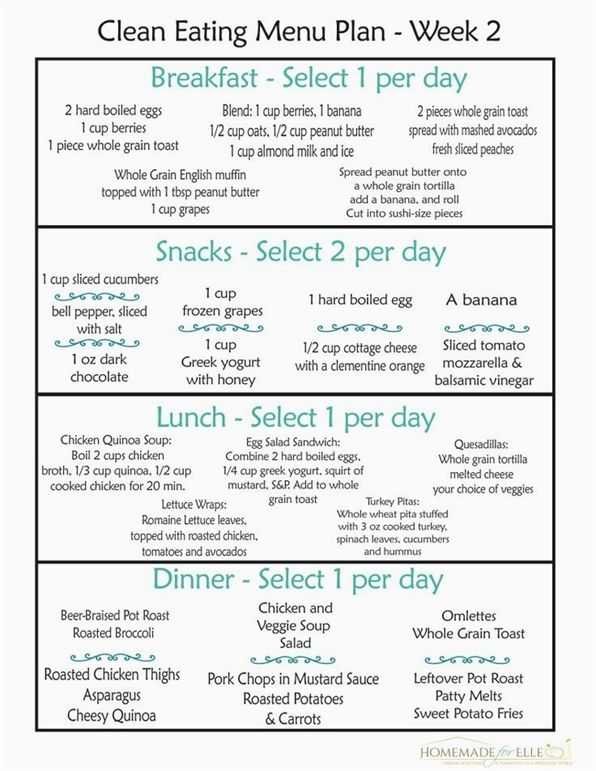
Start your day with a nutritious breakfast, fuel your afternoon with balanced lunch, and end with a wholesome dinner to keep your energy steady and your health on track. The key is choosing whole foods, controlling portions, and maintaining a variety of nutrients throughout the day. A healthy routine doesn’t mean sacrificing flavor; it’s about making smarter choices that support your well-being while still satisfying your taste buds. By sticking to consistent meal times, incorporating fresh fruits, vegetables, lean proteins, and whole grains, you can improve your digestion, boost your immunity, and feel more energized daily.
A healthy eating routine involves planning balanced meals for breakfast, lunch, and dinner that include a mix of essential nutrients. It’s about making mindful choices that promote long-term health and well-being without feeling deprived. With simple adjustments, you can enjoy delicious meals that nourish your body and keep you feeling great all day long.

Healthy Breakfast, Lunch, and Dinner Routine: A Complete Guide to Balanced Eating
Having a well-planned routine for your meals can make a big difference in your health and energy levels. A healthy routine helps you get the essential nutrients your body needs without overeating or choosing unhealthy options. By focusing on balanced meals at breakfast, lunch, and dinner, you can stay energized throughout the day and feel good about what you eat.
Why a Consistent Routine Matters
Eating at regular times helps your body stay in sync and improves digestion. It also reduces the chances of snacking on junk food or feeling overly hungry between meals. Consistency encourages healthier habits over time, leading to better overall health.
Key Principles of a Healthy Meal Routine
- Balance: Include protein, healthy fats, carbohydrates, and fiber in each meal.
- Portion control: Avoid overeating by managing portion sizes.
- Variety: Incorporate different food groups to ensure comprehensive nutrition.
- Timing: Eat meals at regular intervals — typically every 3 to 4 hours.
Crafting the Perfect Breakfast Routine
Breakfast is often called the most important meal of the day. It provides the energy needed to start your day right and keeps you focused on your tasks. A healthy breakfast should include foods that sustain energy without causing a sugar crash later.
Best Breakfast Foods for Energy
- Whole grains: Oats, whole wheat bread, or bran cereals provide long-lasting energy.
- Proteins: Eggs, yogurt, or nut butters help keep you full longer.
- Fruits: Berries, bananas, or apples add natural sweetness and fiber.
- Healthy fats: Avocado or a handful of nuts support brain function.
Sample Healthy Breakfast Ideas
- Oatmeal topped with fresh berries and a spoonful of almond butter.
- Scrambled eggs with spinach and tomatoes, served with whole-grain toast.
- Greek yogurt mixed with sliced banana and a sprinkle of nuts.
- Smoothie with spinach, frozen berries, banana, and a splash of almond milk.
Tips for a Sustainable Breakfast Routine
- Prepare ingredients the night before to save time in the morning.
- Keep healthy snacks easily accessible to avoid skipping breakfast.
- Aim for a breakfast that combines carbs, protein, and fats for sustained energy.
Healthy Lunch Ideas to Power Through Your Day
Lunch offers a great opportunity to refuel your body with nutritious options. It helps maintain energy levels and prevents overeating later in the day. Choosing the right foods during lunch supports productivity and keeps hunger at bay.
Nutrition Guidelines for Lunch
- Lean proteins: Chicken, turkey, fish, or plant-based options like beans and lentils.
- Whole grains: Brown rice, quinoa, or whole wheat bread for added fiber.
- Vegetables: Leafy greens, peppers, cucumbers, and carrots provide vital vitamins.
- Healthy fats: Olive oil, avocado, or nuts improve satiety and heart health.
Healthy Lunch Meal Ideas
- Grilled chicken salad with mixed greens, cherry tomatoes, and olive oil dressing.
- Quinoa and black bean bowl with corn, cilantro, and lime.
- Whole wheat wrap with turkey, lettuce, avocado, and hummus.
- Veggie stir-fry with tofu served over brown rice.
Tips to Make Your Lunch Routine Healthier
- Meal prep ingredients on weekends to save time during busy weekdays.
- Opt for homemade lunches rather than fast food to control ingredients.
- Aim for colorful plates to include a variety of nutrients from different vegetables.
Nutritious Dinner Ideas for a Restorative Evening
Dinner is the final meal of the day and should be balanced but not overly heavy. It helps your body recover and rebuild after a day of activity. Choosing lighter yet nourishing foods can improve sleep and digestion.
Components of a Healthy Dinner
- Lean proteins: Fish, chicken, or plant-based options like lentils and beans.
- Vegetables: Aim for at least two servings of a variety of colorful vegetables.
- Whole grains or starchy vegetables: Sweet potatoes, whole wheat pasta, or barley.
- Healthy fats: Nuts, seeds, or small amounts of olive oil.
Examples of Healthy Dinner Meals
- Baked salmon served with roasted sweet potatoes and steamed broccoli.
- Stir-fried vegetables with tofu over brown rice.
- Grilled chicken with quinoa and sautéed spinach.
- Vegetable and bean chili with a side of cornbread made with whole grain flour.
Tips for a Heart-Healthy Dinner Routine
- Limit added salt and sugar to reduce the risk of high blood pressure and other health issues.
- Try to finish dinner at least two hours before bedtime for better digestion.
- Use cooking methods like baking, grilling, steaming, or sautéing with minimal oil.
Additional Tips for Maintaining a Healthy Meal Routine
Sticking to a routine can be easier with some practical strategies. Planning your meals in advance can prevent last-minute unhealthy choices. Also, staying hydrated and listening to your body’s hunger signals support your efforts.
Meal Planning and Preparation
- Use a weekly meal plan to organize shopping and cooking.
- Cook larger portions to have leftovers for subsequent days.
- Keep nutritious snacks like nuts, fruits, and yogurt handy.
Incorporating Hydration into Your Routine
- Drink plenty of water throughout the day, aiming for about 8 glasses.
- Limit sugary drinks and sodas.
- Include herbal teas or infused water for variety.
Monitoring Your Progress
- Track your meals to identify areas for improvement.
- Set realistic goals for adding more fruits, vegetables, or whole grains.
- Be flexible but consistent in following your meal routine.
Establishing a healthy breakfast, lunch, and dinner routine can greatly improve your overall well-being. Focus on balance, variety, and regular timings to nourish your body effectively. Remember that small changes made consistently lead to lasting habits that support a healthier lifestyle.
Meal Prep 24 Healthy Meals in 1 Hour (Breakfast, Lunch & Dinner for 4 days for 2 people)
Frequently Asked Questions
What are some effective ways to incorporate more fruits and vegetables into my daily meals?
To include more fruits and vegetables in your diet, plan your meals around them by adding sliced fruits or vegetables to breakfast cereals, smoothies, or yogurt. Incorporate salads and steamed vegetables into your lunch and dinner. Prepare meals ahead of time to make healthy options readily available and experiment with recipes that highlight your favorite produce. Using herbs and spices can also enhance flavor without extra calories, encouraging you to consume more plant-based foods every day.
How can I ensure my portion sizes support a balanced diet without feeling deprived?
Focus on filling half your plate with vegetables and fruits, which are low in calories but high in nutrients. Use smaller plates and bowls to naturally control portion sizes and prevent overeating. Pay attention to hunger cues and eat slowly to give your body time to signal fullness. Incorporate a variety of lean proteins, whole grains, and healthy fats into your meals, ensuring you receive essential nutrients while maintaining appropriate portion sizes that keep you satisfied.
What strategies help maintain healthy eating habits during busy workdays?
Prepare meals and snacks in advance to reduce reliance on unhealthy options. Stock your pantry and fridge with nutritious ingredients that are easy to assemble into quick meals. Pack portable snacks like nuts, fruits, or yogurt to keep energy levels stable throughout the day. Set specific mealtimes to avoid skipping meals, and choose simple, wholesome recipes that don’t require extensive preparation, making it easier to stick to your routine despite a busy schedule.
How can I make healthier dinner choices while still enjoying my favorite foods?
Opt for cooking methods like baking, grilling, or steaming instead of frying. Use herbs, spices, and citrus to add flavor without extra calories or sodium. Substitute ingredients with healthier alternatives, such as zucchini noodles instead of pasta or cauliflower rice instead of white rice. Incorporate more vegetables into your dishes, and control portion sizes to enjoy your favorite flavors without overindulging. Balance your meals with lean proteins and whole grains for a satisfying and nutritious dinner.
What tips can help me stay consistent with my healthy eating routine over time?
Create a meal plan every week that includes a variety of nutritious foods you enjoy. Keep a food journal to track your choices, which can help identify areas for improvement. Set realistic goals and celebrate small milestones to stay motivated. Surround yourself with supportive people who encourage healthy habits and avoid keeping tempting junk foods at home. Lastly, be flexible and forgiving if you occasionally indulge; consistency matters more than perfection in maintaining a healthy routine.
Final Thoughts
A healthy breakfast lunch and dinner routine sets the foundation for overall well-being. Starting your day with a nutritious breakfast energizes you and keeps cravings at bay. Incorporate balanced meals with plenty of vegetables, lean proteins, and whole grains throughout the day.
Consistent meal times help regulate metabolism and prevent overeating. Choosing wholesome ingredients ensures sustained energy and better digestion.
Maintaining this routine promotes a healthier lifestyle, making it easier to achieve your wellness goals. A healthy breakfast lunch and dinner routine supports long-term health and vitality.
As an Amazon Associate, We earn from qualifying purchases. When you purchase a product through Amazon links on pulsefitguide.com, we may earn a small commission at no extra cost to you. This helps support the site and keep our content free.