


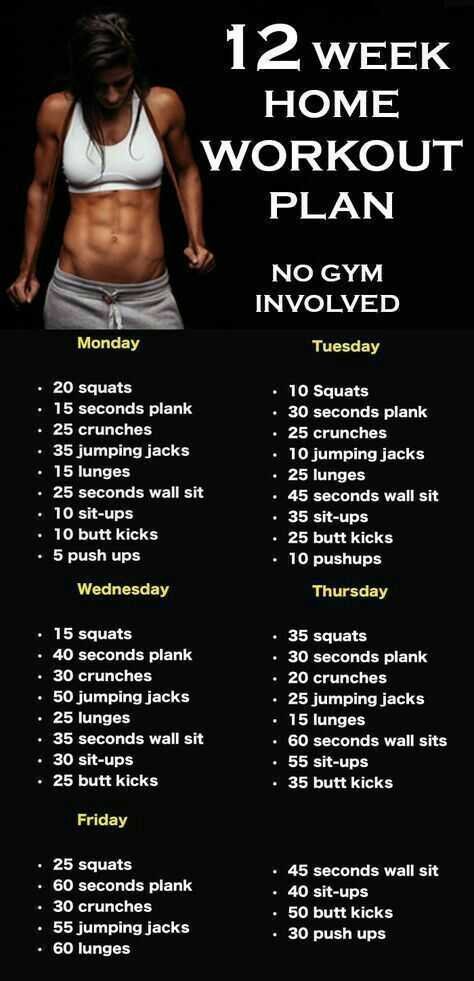
Looking for an effective workout you can do at home without any equipment or noise? You’re in luck! There are plenty of full-body exercises that require nothing but your body weight and can be done quietly, making them perfect for small spaces or shared living environments. The key is to focus on movements that engage multiple muscle groups simultaneously, like squats, push-ups, and planks, which can be done without any noise or equipment. These workouts not only save you time but also help you stay fit without disturbing anyone else around you. Whether you’re a beginner or looking to add variety, this approach ensures you get a great workout anytime, anywhere, all while maintaining a peaceful environment.
If you want a quiet, equipment-free full-body workout at home, you’re in the right place. It’s possible to create an effective routine that includes bodyweight exercises targeting all major muscles, with minimal noise and no need for any gear. Just a little space and some motivation are enough to stay active and healthy. This kind of workout is perfect for fitting into busy schedules or for those who prefer privacy while exercising, ensuring you get the benefits of strength, endurance, and flexibility in a peaceful manner.

Full Body Home Workout No Equipment No Noise
Introduction to Quiet and Equipment-Free Exercises
Practicing a full-body workout at home without equipment is a practical way to stay fit without disturbing others. These exercises are perfect for small spaces and busy schedules. They focus on using your own body weight to strengthen muscles and improve flexibility. Whether you’re a beginner or more experienced, these workouts can be easily adapted to your level.
Benefits of a No-Equipment, No-Noise Workout
Choosing exercises that require no equipment and make little noise offers several advantages. First, you don’t need to buy costly gym gear. Second, they allow you to exercise quietly, ideal for shared living spaces. Lastly, these workouts improve core strength, balance, and overall fitness with minimal risk of injury. They also encourage consistency since you can do them anytime, anywhere.
Essential Tips for Effective No-Noise, Equipment-Free Workouts
To maximize your workout, keep a few tips in mind. Warm up for five minutes to prepare your muscles and prevent injuries. Focus on proper form to get the most benefit and avoid strain. Also, pace yourself and gradually increase repetitions for continued progress. Staying hydrated and listening to your body are key to sustaining these routines.
Core Exercises for a Full-Body Workout
Core exercises form the foundation of a comprehensive workout. They engage many muscle groups simultaneously, making your session efficient. Examples include planks, mountain climbers, and leg raises. These movements strengthen your back, abdomen, and hips, supporting overall posture and stability.
Planks for Core Stability
Planks are simple yet very effective. To do a plank, position your forearms on the ground, keeping elbows aligned under shoulders. Maintain a straight line from head to heels, engaging your core muscles. Hold this position for 20 to 60 seconds, depending on your fitness level. You can modify planks by dropping knees if needed.
Mountain Climbers for Cardio and Strength
Start in a high plank position with hands under shoulders. Bring one knee toward your chest, then quickly switch legs. Continue alternating legs rapidly for 20 to 30 seconds. Mountain climbers boost heart rate and strengthen your legs and arms without making noise.
Leg Raises for Lower Abs
Lie flat on your back with hands under hips for support. Keep legs straight and lift them toward the ceiling. Lower them slowly without touching the ground. Aim for 10 to 15 repetitions. Leg raises target lower abdominal muscles and improve core stability.
Lower Body Workouts Without Equipment
Building leg and glute strength is easy with body-weight exercises. These movements tone your lower body using only your weight. They are also silent, making them perfect for apartments or shared spaces.
Squats for Thighs and Glutes
Stand with feet shoulder-width apart. Bend knees and hips as if sitting back into a chair. Keep your chest up and knees over toes. Stand back up to the starting position. Do 15 to 20 repetitions. Squats improve leg strength and core stability.
Lunges for Balance and Muscle Tone
Step forward with one foot and lower your hips until both knees are at 90 degrees. Push back to the starting position and switch legs. Perform 10 to 15 repetitions per leg. Lunges work on thighs, hips, and glutes while enhancing balance.
Glute Bridges for Hamstrings and Glutes
Lie on your back with knees bent and feet flat on the floor. Press through your heels to lift hips toward the ceiling. Hold for a few seconds, then lower slowly. Aim for 15 repetitions. Glute bridges strengthen your back, hips, and core.
Upper Body Exercises Without Equipment
Even without weights, you can develop upper body strength with body-weight movements. Push-ups and arm exercises target chest, shoulders, and arms silently and effectively.
Modified Push-Ups for Chest and Arms
Start in a high plank position with hands under shoulders. Keep knees on the ground if full push-ups are too difficult. Lower your chest toward the floor, then push back up. Complete 10 to 15 repetitions. Push-ups improve chest, shoulder, and arm strength.
Tricep Dips Using Furniture
Find a sturdy chair or bench. Sit on the edge and place hands behind you on the seat. Slide off slightly and lower your body by bending elbows. Push back up to the starting position. Do 10 to 12 repetitions. Tricep dips tone the back of your arms quietly.
Flexibility and Balance Exercises
Including stretching and balance exercises helps prevent injuries and improves range of motion. These activities are gentle, quiet, and easy to perform at home.
Yoga Poses for Flexibility
Practice gentle stretches like downward dog, child’s pose, and cat-cow to stretch major muscle groups. Hold each pose for 15 to 30 seconds, breathing deeply. Yoga boosts flexibility and promotes relaxation.
Single-Leg Stands for Balance
Stand on one leg with the other lifted slightly off the ground. Keep your balance for 20 seconds, then switch legs. To increase difficulty, close your eyes or try balancing on a cushion. This enhances core and ankle stability.
Designing Your Quiet Full-Body Workout Routine
A well-rounded plan involves rotating between strength, cardio, and flexibility exercises. Balance your workouts to prevent fatigue and overuse injuries. Aim for three to four sessions per week, each lasting 20 to 30 minutes.
Sample Weekly Workout Schedule
| Day | Focus |
|---|---|
| Monday | Core and Lower Body |
| Wednesday | Upper Body and Flexibility |
| Friday | Full Body Circuit |
| Sunday | Active Rest and Stretching |
Sample Circuit for Full Body Fitness
- Plank Hold – 30 seconds
- Body-Weight Squats – 20 reps
- Modified Push-Ups – 15 reps
- Glute Bridges – 15 reps
- Single-Leg Balance – 20 seconds each leg
Repeat this circuit two to three times, resting briefly between rounds.
Tracking Progress and Staying Motivated
Set clear, achievable goals for your workouts to stay motivated. Keep a simple journal or use apps to record your repetitions and duration. Celebrate small milestones like improved balance or increased reps. Mixing up routines prevents boredom and keeps your body challenged.
Creating a no-noise, equipment-free full-body workout at home is simple and effective. These exercises strengthen muscles, improve flexibility, and boost overall health without disturbing your household. Consistency and proper technique make all the difference in achieving your fitness goals. Remember, even a few minutes each day can lead to noticeable improvements in your strength and well-being.
20 MIN FULL BODY HOME WORKOUT // No Equipment, No Noise
Frequently Asked Questions
What are some effective exercises I can do at home without any equipment and noise?
To get a full-body workout without equipment or noise, focus on bodyweight exercises such as push-ups, squats, lunges, planks, and burpees. These moves target multiple muscle groups and can be performed quietly. Incorporate variations to keep your routine challenging and engaging. Additionally, activities like yoga or stretching can complement strength exercises while producing minimal noise.
How can I ensure my workout is balanced across different muscle groups?
Design your routine to include exercises for all major muscle groups: chest, back, arms, legs, and core. For example, alternate between push-ups for your chest and arms, squats for legs, planks for core, and Superman holds for your back. Mixing these moves ensures that you work your entire body evenly, preventing muscle imbalances and promoting overall strength.
Are there any tips to maximize the effectiveness of a quiet, no-equipment workout?
Increase the intensity by performing exercises in sequences or circuits, reducing rest time between sets. Focus on proper form to engage muscles effectively and prevent injuries. Maintaining a consistent pace and gradually increasing repetitions or duration helps boost endurance and strength. Remember to warm up before and cool down after your routine for optimal results.
Final Thoughts
A full body home workout no equipment no noise offers a practical solution for staying fit without disturbances. It requires no special gear, making it accessible for everyone. These exercises help maintain your health while respecting your living space and neighbors. Incorporate this routine regularly to see steady progress and improved well-being.
As an Amazon Associate, We earn from qualifying purchases. When you purchase a product through Amazon links on pulsefitguide.com, we may earn a small commission at no extra cost to you. This helps support the site and keep our content free.
