

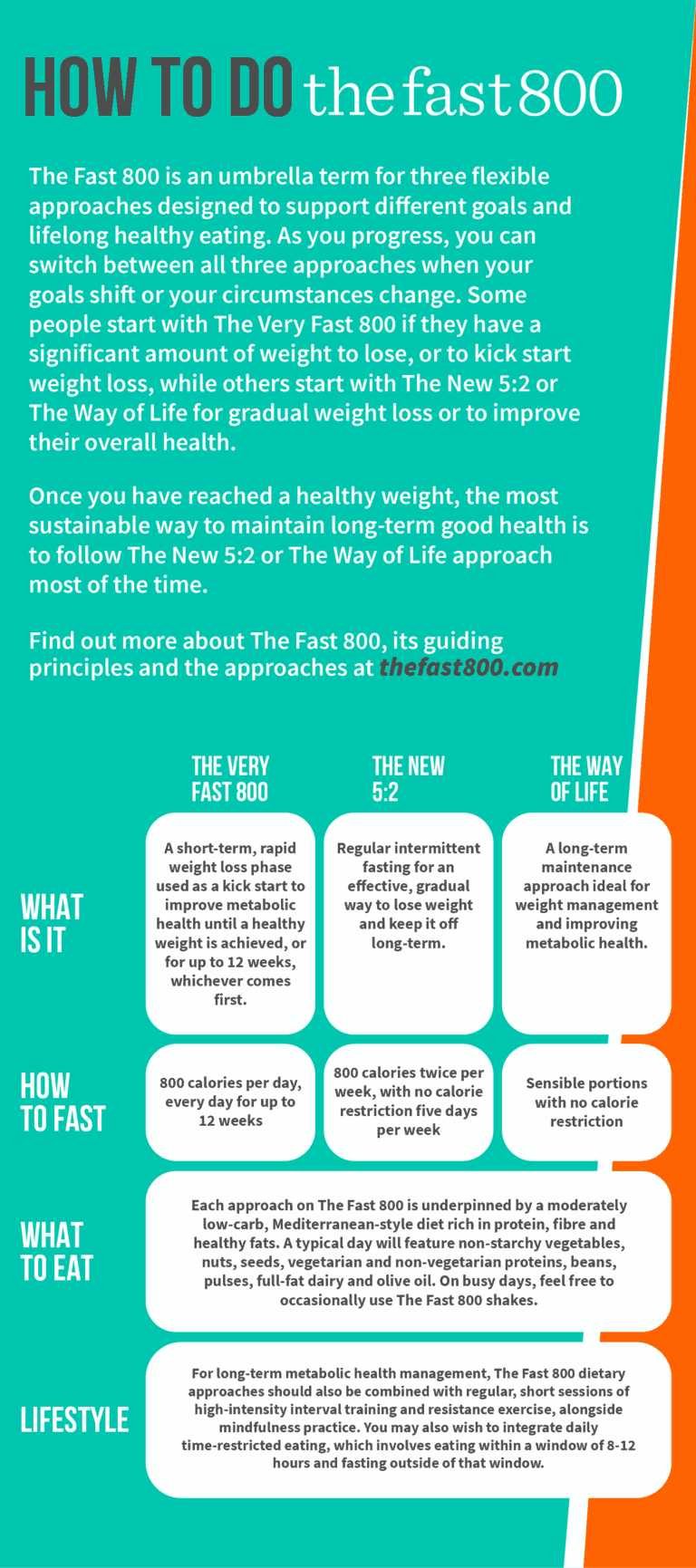
Looking for a quick and effective way to shed those extra pounds? The Fast 800 diet meal plan offers a streamlined approach to weight loss by focusing on low-calorie, nutrient-dense meals that keep you full and energized. The plan emphasizes intermittent fasting combined with healthy, balanced meals to jumpstart your metabolism and promote rapid fat loss. With a variety of delicious recipes and flexible options, it’s designed to fit into busy lifestyles while delivering real results. Whether you’re aiming for a quick transformation or sustainable weight management, this plan can be tailored to your needs for maximum impact.
The Fast 800 diet meal plan combines calorie restriction with nutritious foods to accelerate weight loss quickly while maintaining overall health. It encourages intermittent fasting and lean proteins, vegetables, and healthy fats to maximize results without feeling deprived. This plan is practical and adaptable, making it easier to stick with your weight loss journey.
Starting an effective weight loss journey can be overwhelming, but the Fast 800 diet provides a clear, manageable plan to jumpstart your transformation. It adopts a simple methodology: limiting daily calorie intake to around 800 calories during fasting periods, primarily through nutrient-rich, satisfying meals. This approach not only promotes rapid fat loss but also helps improve overall health and metabolic function. The key is focusing on whole foods like lean meats, vegetables, and healthy fats, ensuring your body gets essential nutrients even while in calorie deficit. With flexibility built into the plan, you can easily incorporate your favorite ingredients and recipes, making your weight loss journey sustainable and enjoyable.

Fast 800 Diet Meal Plan for Weight Loss
Introduction to the Fast 800 Diet
The Fast 800 diet is a popular weight loss plan that emphasizes a low-calorie intake combined with healthy eating. It is designed to help you shed pounds quickly while maintaining good nutrition. The plan typically involves eating fewer than 800 calories a day for a short period, followed by a sustainable lifestyle plan.
Core Principles of the Fast 800 Diet
The diet is based on several key principles that support safe and effective weight loss:
- Time-limited calorie restriction: Focused on the initial phase where calorie intake is kept very low.
- Healthy, whole foods: Emphasizes vegetables, lean proteins, healthy fats, and whole grains.
- Intermittent fasting options: Incorporates periods of fasting to boost fat burn.
- Long-term lifestyle changes: Encourages sustainable eating habits beyond the initial strict phase.
Who Can Benefit from the Fast 800?
This diet is suitable for:
- Individuals aiming for rapid weight loss
- People with insulin resistance or type 2 diabetes
- Anyone seeking to improve overall health and reduce disease risk
- Those who prefer simple meal planning with clear rules
However, it is essential to consult a healthcare professional before starting, especially if you have underlying health conditions.
Structure of the Fast 800 Meal Plan
The meal plan is divided into two main phases:
Phase 1: The Very Low-Calorie Diet
In this initial phase, your goal is to consume fewer than 800 calories daily. This phase usually lasts for 2 to 4 weeks and focuses on quick weight loss.
- Meals are simple, high in nutrients
- Includes options such as smoothies, soups, and small portions of lean proteins
- Supports ketosis, encouraging fat burning
Phase 2: Maintenance and Lifestyle
After reaching your target weight, you gradually increase your calorie intake while maintaining healthy eating habits. This phase encourages sustainable weight management.
- Eat whole foods with moderate calories
- Keep carbohydrate intake moderate to sustain energy
- Incorporate regular physical activity
Daily Meal Planning: What to Eat on the Fast 800
A typical day combines nutrient-dense foods that keep you full and energized. Focus on these food groups:
Lean Proteins
– Chicken breast
– Turkey
– Fish such as salmon, cod, or mackerel
– Tofu and legumes for plant-based options
Vegetables
– Leafy greens like spinach and kale
– Cruciferous vegetables such as broccoli and cauliflower
– Bell peppers, cucumbers, and zucchini
Healthy Fats
– Avocado slices
– Nuts and seeds in moderation
– Olive oil and coconut oil
Whole Grains and Legumes
– Quinoa
– Lentils
– Chickpeas (small portions during the initial phase)
Sample Meal Plan for a Day
- Breakfast: Spinach and mushroom omelette cooked with a teaspoon of olive oil, paired with a small handful of nuts.
- Lunch: Grilled chicken salad with mixed greens, cucumber, cherry tomatoes, and a drizzle of olive oil and lemon.
- Snack: A boiled egg or a small portion of Greek yogurt with a few berries.
- Dinner: Baked salmon with steamed broccoli and roasted zucchini.
Meal Preparation Tips for Success
Preparing meals in advance can make sticking to the plan much easier. Tips include:
- Batch cook soups and stews for several days
- Pre-portion snacks like nuts and boiled eggs
- Use flavorful herbs and spices to enhance simple dishes
Keeping your kitchen stocked with healthy ingredients will support consistent meal choices.
Snacks and Beverages
Snacks should be nutritious and low-calorie. Good options are:
- Celery sticks with hummus
- Small portions of nuts or seeds
- Fresh vegetables
- Herbal teas or black coffee without sugar
Stay well-hydrated with water, and avoid sugary drinks or processed juice.
Managing Hunger and Cravings
It’s common to feel hungry at first during the low-calorie phase. To manage cravings:
- Drink plenty of water and herbal teas
- Increase fiber intake with vegetables and whole grains
- Eat small, frequent meals to keep blood sugar stable
If cravings persist, try distraction techniques or a short walk to take your mind off food.
Additional Tips for Effective Weight Loss
- Track your food intake to stay within calorie limits
- Incorporate physical activity daily to enhance results
- Get enough sleep to support metabolism and reduce cravings
- Stay motivated with progress photos and goal setting
Potential Challenges and How to Overcome Them
Common challenges include hunger, boredom, and social situations. Strategies are:
- Plan and prepare meals ahead of time
- Find low-calorie substitutes for favorite foods
- Communicate your goals to friends and family for support
Being flexible and patient ensures long-term success.
Long-term Lifestyle Adjustments
The Fast 800 isn’t just about quick weight loss. It promotes a lifestyle where healthy, balanced eating becomes the norm. Focus on:
- Maintaining a nutrient-rich diet
- Regular physical activity
- Mindful eating practices to prevent overeating
These habits help sustain your weight and improve overall health over time.
Related Topics for Further Exploration
- Intermittent fasting benefits and methods
- Meal prepping tips for busy schedules
- Healthy snack ideas for weight maintenance
- Importance of hydration during weight loss
The Fast 800 diet offers a structured yet flexible approach to losing weight through nutrient-rich, low-calorie meals. By following the meal plan guidelines, preparing nutritious foods, and staying consistent, you can achieve your weight loss goals in a healthy and manageable way.
Frequently Asked Questions
What are the main components of the Fast 800 diet meal plan?
The Fast 800 diet meal plan focuses on low-calorie, nutrient-dense foods. It emphasizes vegetables, lean proteins, healthy fats, and complex carbohydrates. The plan typically involves consuming around 800 calories per day during the initial phase, with an emphasis on whole foods such as leafy greens, fish, eggs, nuts, and seeds to support weight loss while maintaining essential nutrients.
How can I ensure I get enough nutrients on this meal plan?
To maintain proper nutrition while following the Fast 800 plan, include a variety of colorful vegetables, lean proteins, and healthy fats. Consider incorporating supplements if recommended by a healthcare professional, especially for nutrients like B12 or vitamin D. Planning balanced meals ahead of time helps prevent nutrient deficiencies and keeps your energy levels steady throughout the day.
Is it safe to follow the Fast 800 diet for an extended period?
Following the Fast 800 diet for the short term can support significant weight loss, but it is essential to consult with a healthcare professional before maintaining this low-calorie intake long-term. Extended adherence without medical supervision might lead to nutrient deficiencies or other health issues. Transitioning to a more sustainable, balanced diet after the initial phase helps sustain weight loss and overall health.
Can I modify the meal plan to suit my dietary restrictions?
Yes, you can adjust the Fast 800 meal plan to accommodate various dietary needs. Replace ingredients to suit vegetarian, vegan, or allergy considerations while maintaining the core principle of low-calorie, nutrient-dense foods. Consulting a registered dietitian can help create a personalized plan that aligns with your health requirements and weight loss goals.
What are some easy recipes to get started with the Fast 800 plan?
Begin with simple recipes such as grilled fish with steamed vegetables, spinach and mushroom omelets, or salads with lean chicken and a vinaigrette. Incorporate herbs and spices to enhance flavor without adding calories. Preparing meals in advance can help you stick to the plan and avoid impulsive eating, making it easier to stay consistent with your goals.
Final Thoughts
The fast 800 diet meal plan for weight loss offers a practical approach to shedding pounds with simple, nutrient-dense meals. It emphasizes low-carb, high-protein options that keep you full and energized throughout the day. Following this plan regularly can help you see steady progress and improve overall health. Stay consistent and choose meals that you enjoy to stay motivated on your weight loss journey.
As an Amazon Associate, We earn from qualifying purchases. When you purchase a product through Amazon links on pulsefitguide.com, we may earn a small commission at no extra cost to you. This helps support the site and keep our content free.