

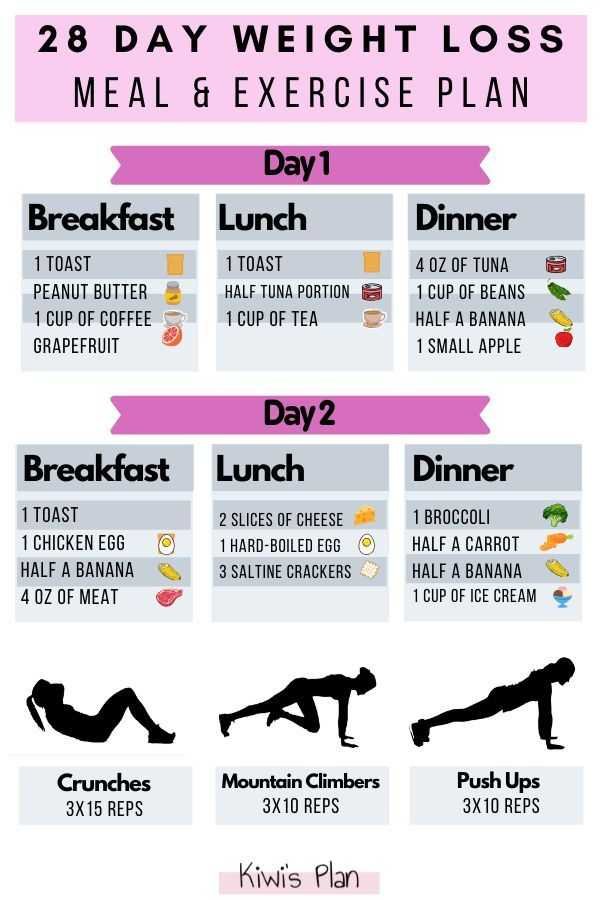
Starting a weight loss journey can feel overwhelming, but the right combination of exercise and meal planning makes all the difference. The quickest way to shed pounds involves a balanced routine that boosts metabolism and curbs cravings. A well-structured plan focusing on regular physical activity paired with nutritious, portion-controlled meals ensures steady progress without feeling deprived. By staying consistent and mindful of your choices, you’ll see results more effectively and enjoyably.
In short, an effective weight loss plan combines cardio and strength workouts with healthy, balanced meals that promote fat loss and muscle preservation. Staying motivated and making sustainable changes are key to long-term success.
Losing weight requires a blend of regular exercise—such as brisk walking, cycling, or strength training—and a meal plan rich in vegetables, lean proteins, and whole grains. Avoid processed foods and sugary drinks, and focus on small, frequent meals to keep your energy stable. This approach helps accelerate fat burning while maintaining your well-being.

Exercise and Meal Plan for Weight Loss
Understanding the Role of Exercise in Weight Loss
Exercise is essential for burning calories and building muscle, both of which help with weight loss. Regular physical activity increases your metabolic rate, making your body burn more calories even when resting. Incorporating different types of exercise can make your routine more effective and enjoyable.
Cardio Exercises to Boost Fat Burning
Cardio workouts like walking, running, cycling, or swimming help burn a significant number of calories. For effective weight loss, aim for at least 150 minutes of moderate activity or 75 minutes of vigorous activity each week. High-intensity interval training, or HIIT, can also accelerate fat burning in less time.
Strength Training for Long-Term Results
Strength training builds muscle mass, which increases your resting calorie expenditure. Include exercises such as weightlifting, resistance band workouts, or bodyweight moves like push-ups and squats. Training two to three times weekly helps maintain muscle and boosts overall metabolism.
Incorporating Flexibility and Balance Activities
Activities like yoga and stretching improve flexibility and reduce injury risk. They can also promote relaxation and stress relief, which are beneficial for maintaining a healthy weight. Include these sessions twice per week as part of your routine.
Designing an Effective Meal Plan for Weight Loss
A well-balanced meal plan supports your exercise efforts and ensures your body receives necessary nutrients. Focus on nutrient-dense foods that are lower in calories but high in vitamins, minerals, and fiber. Portion control is key to managing calorie intake without feeling deprived.
Key Components of a Healthy Meal Plan
- Proteins: Lean meats, fish, beans, and tofu help preserve muscle mass and boost satiety.
- Carbohydrates: Whole grains, vegetables, and fruits provide energy and fiber.
- Fats: Healthy fats from nuts, seeds, avocados, and olive oil support hormone health.
- Hydration: Water is vital; aim for at least 8 glasses daily, more if active.
Sample Daily Meal Plan for Weight Loss
| Meal | Food Options |
|---|---|
| Breakfast | Oatmeal topped with berries and a handful of almonds |
| Snack | Greek yogurt with sliced banana |
| Lunch | Grilled chicken salad with mixed greens, cherry tomatoes, cucumber, and olive oil dressing |
| Snack | Carrot sticks with hummus |
| Dinner | Baked salmon, steamed broccoli, and quinoa |
| Evening Snack | Apple slices with a small amount of peanut butter |
Balancing Exercise and Diet for Optimal Weight Loss
Combining exercise with a healthy meal plan creates a calorie deficit, which is necessary for weight loss. Make sure your calorie intake aligns with your activity level; eating too much can prevent progress, while eating too little can cause fatigue.
Tracking Progress and Adjustments
Use a journal or app to monitor food intake and exercise routines. Adjust your plan as needed, increasing activity or refining your diet based on results. Consistency is key for sustainable weight loss.
Managing Cravings and Staying Motivated
Plan healthy snacks and treats to satisfy cravings without derailing your goals. Find physical activities you enjoy to stay motivated. Surround yourself with supportive people who encourage your progress.
Additional Tips for Successful Weight Loss
- Prioritize sleep: Aim for 7 to 9 hours each night to help regulate hunger hormones.
- Reduce stress: Practice relaxation techniques like meditation or deep breathing.
- Stay hydrated: Drinking water before meals can help control appetite.
- Be patient: Sustainable weight loss takes time; focus on gradual progress rather than quick fixes.
Related Topics to Enhance Your Weight Loss Journey
- Meal prepping for consistency
- Understanding portion sizes and labels
- The importance of sleep and recovery
- Healthy snack ideas to avoid temptations
- Building a support system for motivation
Final Thoughts on Exercise and Meal Plans for Weight Loss
Creating a balanced combination of regular exercise and nutritious eating habits forms the foundation of successful weight loss. Focus on steady progress, listen to your body’s signals, and stay committed to your goals. Remember, consistency and patience lead to sustainable results that can last a lifetime.
Frequently Asked Questions
How can I stay motivated to follow my exercise and meal plan consistently?
Staying motivated requires setting clear, achievable goals and tracking your progress regularly. Find activities you enjoy to make exercise feel less like a chore and incorporate a variety of healthy meals to prevent boredom. Connecting with a support group or workout partner can also boost your commitment. Celebrating small successes along the way helps maintain a positive outlook and keeps you focused on your weight loss journey.
What strategies can I use to prevent overeating during meals?
Practicing mindful eating helps you recognize when you’re full and prevents overeating. Use smaller plates and serve moderate portions to control intake. Eating slowly allows your brain to register fullness more effectively. Avoid distractions like screens during meals, and listen to your body’s hunger cues to ensure you eat only when genuinely hungry.
How should I adjust my exercise routine as I lose weight?
As you shed pounds and improve your fitness, gradually increase the intensity and duration of your workouts to challenge your muscles and avoid plateaus. Incorporate a mix of cardio, strength training, and flexibility exercises to promote balanced fitness. Regularly assess your progress and modify your plan to keep it engaging and aligned with your evolving fitness level.
Final Thoughts
A well-rounded exercise and meal plan for weight loss helps you achieve your goals efficiently. Incorporating cardio and strength training boosts fat burning and builds muscle. Focus on balanced meals rich in vegetables, lean proteins, and healthy fats to stay satisfied. Consistency remains key; sticking to your plan ensures steady progress. Remember, a structured approach to exercise and meal plan for weight loss makes your journey more effective and sustainable.
As an Amazon Associate, We earn from qualifying purchases. When you purchase a product through Amazon links on pulsefitguide.com, we may earn a small commission at no extra cost to you. This helps support the site and keep our content free.