

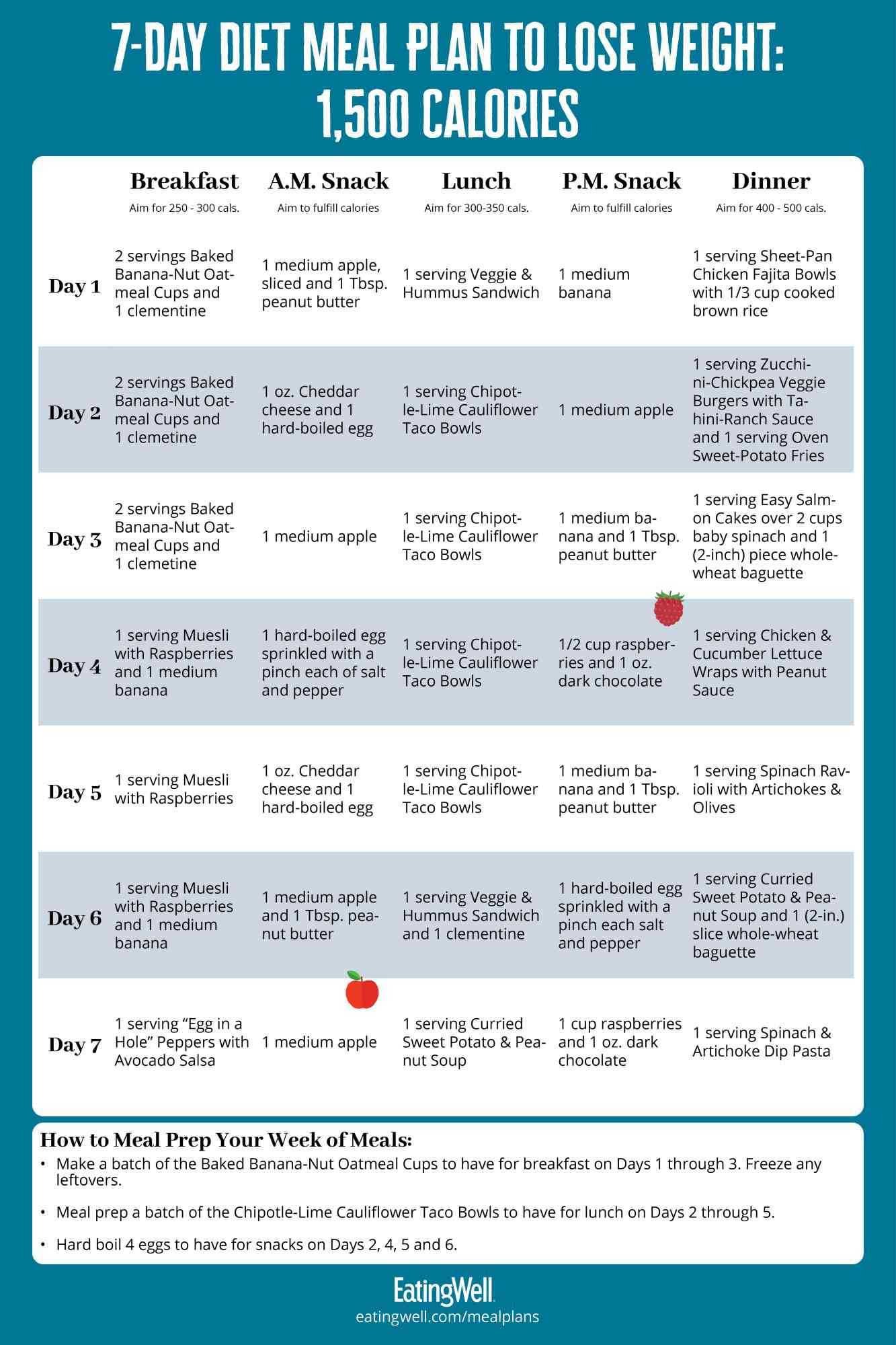
Looking to shed a few pounds quickly and sustainably? A well-structured meal plan can make all the difference. In just a few simple steps, you can enjoy delicious, nutritious foods that support your weight loss goals without feeling deprived.
A balanced meal plan for weight loss typically includes lean proteins, plenty of vegetables, healthy fats, and controlled portions of complex carbs. By sticking to these principles, you can create a satisfying and effective routine that promotes fat loss while keeping your energy levels high.
To help you get started, here’s an example of a meal plan that’s easy to follow, tasty, and packed with nutrients. It’s designed to keep you full, satisfied, and on track toward reaching your ideal weight.

Example of Meal Plan for Weight Loss
Creating a meal plan for weight loss can feel complicated, but with a clear example, it becomes easier to follow. A good meal plan balances calories, nutrients, and flavors to keep you satisfied and healthy. Let’s explore a detailed example of a daily meal plan that helps you shed unwanted pounds.
Understanding the Basics of a Weight Loss Meal Plan
Before diving into the example, it’s important to understand what makes a meal plan effective. It focuses on whole foods, includes lean proteins, healthy fats, and carbohydrates. Portion control is key to managing calorie intake without feeling deprived.
In addition, staying hydrated and avoiding processed foods boost your weight loss results. A balanced meal plan supports your energy levels and makes sure your body gets essential nutrients.
Sample Daily Meal Plan for Weight Loss
Let’s look at a typical day that combines taste, nutrition, and portion sizes. This example is flexible and can be adjusted based on individual tastes or dietary restrictions.
Breakfast
| Food Item | Serving Size | Calories |
|---|---|---|
| Oatmeal with Fresh Berries | 1 cup cooked oats + half cup berries | 200 |
| Boiled Egg | 1 large egg | 70 |
| Green Tea or Black Coffee | 1 cup (unsweetened) | 5-10 |
This breakfast provides fiber, protein, and antioxidants. It keeps you full for longer and kick-starts your metabolism.
Mid-Morning Snack
- Greek Yogurt with a teaspoon of honey and a handful of almonds
- Calories: around 150
This snack offers probiotics, healthy fats, and a touch of sweetness, helping curb hunger until lunch.
Lunch
| Food Item | Serving Size | Calories |
|---|---|---|
| Grilled Chicken Salad | 3 ounces chicken + mixed greens + vegetables + olive oil vinaigrette | 350 |
| Whole Wheat Roll | 1 small roll | 120 |
This meal is rich in lean protein and fiber, which aids digestion and promotes fullness. The healthy fats from olive oil support heart health.
Afternoon Snack
- Sliced apple with almond butter
- Calories: about 180
This snack balances natural sugars with healthy fats, providing sustained energy through the afternoon.
Dinner
| Food Item | Serving Size | Calories |
|---|---|---|
| Baked Salmon with Steamed Vegetables | 4 ounces salmon + 1 cup broccoli + 1/2 cup carrots | 400 |
| Quinoa or Brown Rice | 1/2 cup cooked | 110 |
This dinner provides omega-3 fatty acids and vital nutrients while keeping calorie count in check. It helps support muscle repair and overall health.
Additional Tips for Success
Stay Hydrated
Drinking plenty of water throughout the day helps control appetite and supports metabolic functions. Aim for at least 8 glasses daily.
Portion Control and Mindful Eating
Use smaller plates and avoid distractions while eating to prevent overeating. Pay attention to your body’s hunger signals to eat only when truly hungry.
Incorporate Physical Activity
Combine your meal plan with regular exercise such as brisk walking, cycling, or strength training. Physical activity boosts calorie burn and improves overall health.
Additional Meal Plan Variations
Vegetarian Options
- Replace chicken and salmon with plant-based proteins like tofu, chickpeas, or lentils.
- Use vegetable stir-fries and whole grains to maintain balance.
Dairy-Free Meal Ideas
- Substitute yogurt with coconut or almond yogurt.
- Use olive oil instead of butter.
Low-Carb Alternatives
- Focus on high-protein foods and healthy fats.
- Limit grains and starchy vegetables.
Important Nutritional Considerations
Ensure your meal plan includes a variety of colorful vegetables and fruits for a range of vitamins and minerals. Avoid empty calories from sugary drinks and snacks. Balancing macronutrients helps maintain energy levels and promotes sustainable weight loss.
Tracking Your Progress
Keep a food journal to monitor portion sizes and calorie intake. Use apps or tools to make tracking easier and stay motivated. Adjust your plan as needed based on your progress and lifestyle changes.
Following an example of a meal plan for weight loss that emphasizes balance, variety, and moderation can make your weight management journey enjoyable and successful. Remember, consistency, and patience are key to achieving your goals while maintaining good health.
Frequently Asked Questions
What are some healthy snack options to include in a weight loss meal plan?
In a weight loss meal plan, opt for snacks that are nutrient-dense and low in calories. Fresh fruits like apples or berries, raw vegetables such as carrots or cucumber slices, and a handful of nuts or seeds provide healthy fats and proteins. Greek yogurt or hummus with veggie sticks are also good choices to keep you satisfied between meals without adding excess calories.
How can I ensure my meals are balanced while aiming for weight loss?
To create balanced meals, include a source of lean protein (like chicken, fish, or legumes), plenty of vegetables for fiber and nutrients, whole grains for sustained energy, and healthy fats from sources like avocado or olive oil. Portion control is key to avoiding overeating, so use measuring tools or visual cues to maintain appropriate serving sizes.
What are some meal planning tips to stay consistent with a weight loss diet?
Plan your meals ahead of time and prepare ingredients in advance to save time during busy days. Keep a grocery list aligned with your meal plan to avoid impulse purchases of unhealthy foods. Incorporate variety to prevent boredom, and set realistic goals to stay motivated. Drinking enough water and monitoring your progress also support consistent, healthy eating habits.
Can I incorporate occasional indulgences into my weight loss meal plan?
Yes, allowing yourself occasional treats can prevent feelings of deprivation and help maintain a sustainable routine. The key is moderation; choose small portions of your favorite indulgences and enjoy them mindfully. Balance these treats with healthier choices in your other meals to stay on track with your weight loss goals.
How many meals and snacks should I include in my daily plan for effective weight loss?
Most effective plans include three balanced meals and one or two healthy snacks throughout the day. This approach helps maintain steady blood sugar levels and prevents hunger-related overeating. Adjust portion sizes and timing based on your personal schedule and how your body responds to different eating patterns.
Final Thoughts
A balanced meal plan for weight loss provides essential nutrients without excess calories. Incorporate lean proteins, fresh vegetables, and whole grains to stay satisfied and energized.
An example of meal plan for weight loss includes a breakfast of oatmeal with berries, a light lunch with grilled chicken and salad, and a dinner of baked fish with steamed vegetables.
Sticking to this type of plan helps control portions and promotes steady weight loss. Consistency and mindful eating are key for achieving your goals.
As an Amazon Associate, We earn from qualifying purchases. When you purchase a product through Amazon links on pulsefitguide.com, we may earn a small commission at no extra cost to you. This helps support the site and keep our content free.