

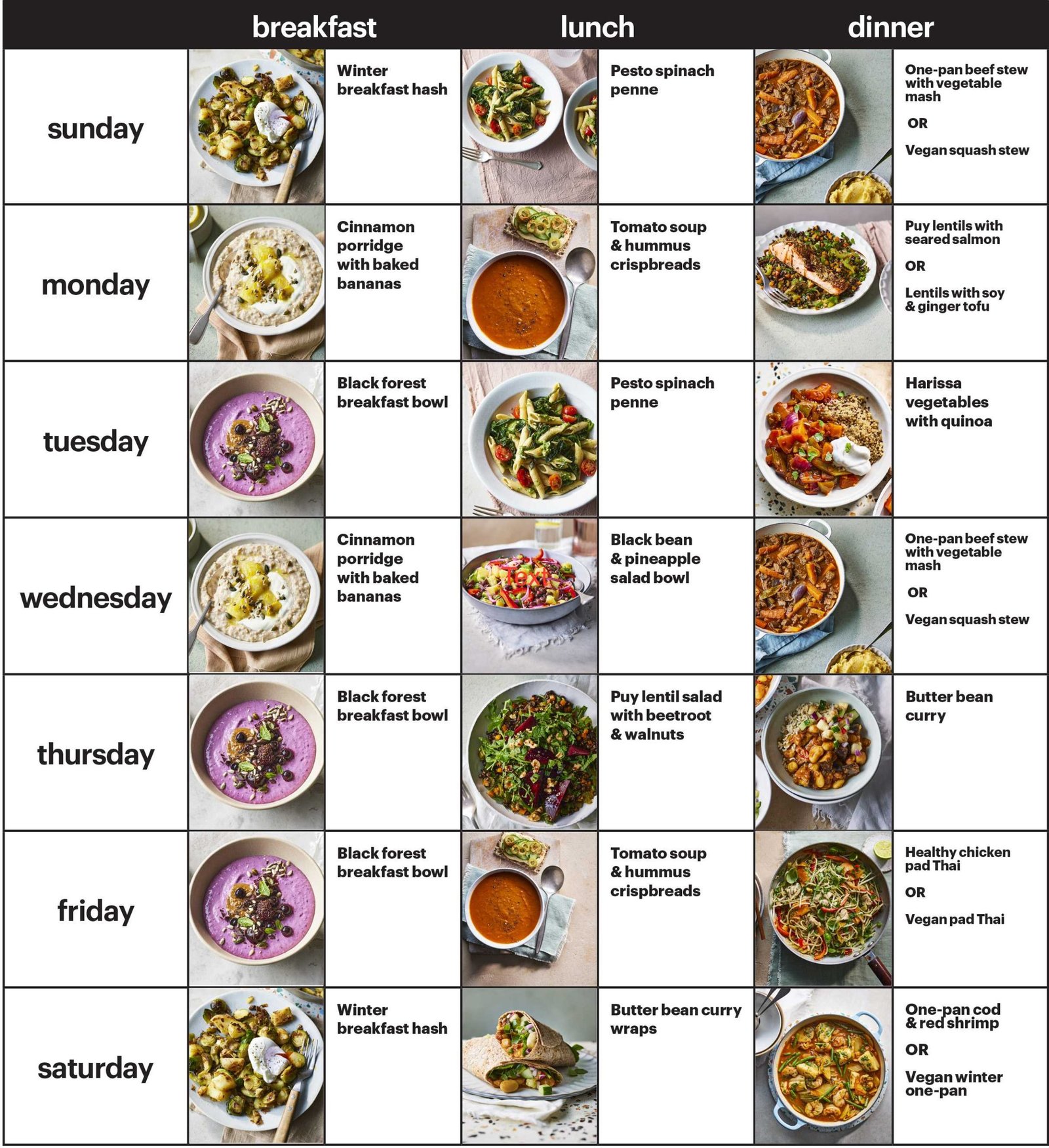
Start your weight loss journey with a simple, balanced meal plan that keeps you feeling full and satisfied while shedding pounds. Focus on incorporating lean proteins, plenty of vegetables, and whole grains, while limiting added sugars and unhealthy fats. Consistency and mindful eating are key to seeing results.
A well-structured eating plan for weight loss should be nutritious, sustainable, and tailored to your lifestyle. It emphasizes portion control, nutrient-dense foods, and regular meal times to boost metabolism and prevent overeating. With the right approach, losing weight while enjoying your meals becomes an achievable goal.
Losing weight doesn’t have to be complicated or bland. By adopting a thoughtful eating plan, you can enjoy delicious, satisfying meals that support your goals. This involves choosing nutrient-rich foods in moderation, staying hydrated, and listening to your body’s hunger cues. Combining these strategies ensures you stay motivated and on track toward a healthier, happier you.

Eating Meal Plan for Weight Loss
Understanding the Basics of a Healthy Meal Plan
A good meal plan for weight loss should focus on balanced nutrition. It includes the right mix of proteins, carbohydrates, and healthy fats. This balance helps keep your energy levels steady and promotes fat loss. Avoid empty calories found in sugary snacks and drinks. Instead, choose whole foods that nourish your body and satisfy your hunger longer.
Key Principles for Effective Meal Planning
- Portion Control: Keep servings moderate to avoid overeating.
- Regular Meals: Eat at consistent times each day to regulate your metabolism.
- Include Protein in Every Meal: Protein helps you feel full and supports muscle maintenance.
- Focus on Whole Foods: Fresh fruits, vegetables, lean meats, and whole grains are best choices.
- Limit Processed Foods: Cut back on foods high in sugar, salt, and unhealthy fats.
Creating a Weekly Meal Plan for Weight Loss
A weekly plan simplifies grocery shopping and keeps you on track. Start by choosing breakfast, lunch, dinner, and two healthy snacks per day. Rotate different foods to get a variety of nutrients. Plan meals that are quick to prepare to stay consistent.
Sample Daily Meal Plan
| Meal | Food Choices |
|---|---|
| Breakfast | Oatmeal with fresh berries and a spoon of almond butter |
| Morning Snack | A small handful of nuts and an apple |
| Lunch | Grilled chicken salad with mixed greens, cucumbers, and olive oil dressing |
| Afternoon Snack | Greek yogurt with sliced banana |
| Dinner | Baked salmon, steamed broccoli, and quinoa |
Choosing the Right Foods for Weight Loss
Focusing on nutrient-dense foods ensures your body receives essential vitamins and minerals. Prioritize lean proteins like chicken, turkey, fish, and tofu. Incorporate plenty of vegetables and fruits for fiber and antioxidants. Whole grains such as brown rice, oats, and whole wheat bread help keep you full longer.
Healthy Protein Options
- Chicken breast
- Turkey
- Fish like salmon and cod
- Tofu and tempeh
- Eggs and low-fat dairy
Powerful Vegetables and Fruits
Vegetables like spinach, kale, carrots, and peppers provide fiber and nutrients. Fruits such as berries, apples, oranges, and melons satisfy sweet cravings. Eating a variety ensures you get different vitamins and antioxidants.
Incorporating Healthy Fats
Healthy fats are essential but should be eaten in moderation. They support brain health and hormone production. Sources include avocados, nuts, seeds, and olive oil. Avoid trans fats and limit saturated fats found in fried foods and certain baked goods.
Examples of Healthy Fats
- Avocados
- Nuts like almonds and walnuts
- Chia and flax seeds
- Olive and coconut oil
- Fatty fish such as salmon and mackerel
Smart Snacking for Weight Loss
Snacks prevent hunger and help control portion size during main meals. Opt for nutritious options that are high in fiber and protein. Keep snacks small and avoid processed snack foods with added sugars.
Healthy Snack Ideas
- Carrot sticks with hummus
- Greek yogurt with a few berries
- A handful of almonds or walnuts
- Apple slices with peanut butter
- Cottage cheese with pineapple chunks
The Importance of Hydration
Drinking enough water boosts weight loss by supporting digestion and curbing hunger. Aim for at least eight glasses per day, or more if active. Herbal teas and infused water are good alternatives if you want variety.
Meal Prep Tips for Success
Batch cooking saves time and reduces the temptation to grab unhealthy foods. Prepare ingredients in advance like chopped vegetables or cooked grains. Store meals in portions to grab quickly during busy days.
Practical Meal Prep Ideas
- Cook large batches of grilled chicken or fish weekly
- Pre-portion nuts and fruits into containers
- Make overnight oats for grab-and-go breakfasts
- Prepare salads ahead and keep dressing separate
Tracking Your Progress
Keeping a food diary helps identify eating habits and areas for improvement. Use apps or a simple notebook to record meals, snacks, and water intake. Monitoring progress keeps you motivated and accountable.
Adjusting Your Meal Plan
Everyone’s body responds differently to changes. If weight loss stalls, review your portion sizes or food choices. Adding more vegetables or reducing carbs can help. Stay flexible and focus on long-term habits rather than quick fixes.
Additional Tips for a Successful Weight Loss Journey
Combine your meal plan with regular physical activity for better results.
Get enough sleep to support metabolic health and reduce cravings.
Avoid emotional eating by managing stress through mindfulness or hobbies.
Related Topics to Explore
- Effective exercise routines for weight loss
- Understanding calorie needs and deficits
- Importance of sleep in weight management
- Mindful eating practices
Frequently Asked Questions
How can I ensure my meal plan provides enough energy for daily activities while losing weight?
To maintain energy levels during weight loss, focus on including nutrient-dense foods that offer a good balance of complex carbohydrates, healthy fats, and lean proteins. Incorporate whole grains, fruits, vegetables, nuts, and lean meats into your meals. Eating smaller, frequent meals throughout the day can also help sustain energy and prevent overeating. Additionally, staying hydrated and avoiding empty-calorie foods support consistent energy levels.
What are some quick and healthy breakfast ideas for weight loss?
Opt for breakfasts that combine fiber and protein to keep you full longer. Examples include Greek yogurt with fresh berries and a sprinkle of nuts, overnight oats topped with sliced fruit and chia seeds, or scrambled eggs with spinach and tomatoes. Smoothies made with vegetables, protein powder, and a small amount of fruit can also serve as a nutritious, quick option. Preparing ingredients in advance makes breakfast preparation faster and easier.
How can I manage portion sizes to avoid overeating on a meal plan?
Using smaller plates and bowls helps control portion sizes visually. Measure servings with cups or a kitchen scale to develop a clear understanding of appropriate portions. Pay attention to hunger cues and eat slowly to allow your body to signal fullness. Incorporate a variety of foods to ensure balanced meals, which can prevent cravings and overeating. Planning your meals ahead of time also helps in sticking to proper portion sizes and maintaining consistency.
Are there specific foods I should limit or avoid to maximize weight loss results?
Limit foods high in added sugars, refined grains, and unhealthy fats, such as sugary desserts, soda, fried foods, and processed snacks. These items provide excess calories with little nutritional benefit and can hinder your progress. Instead, focus on whole, minimally processed foods that offer essential nutrients. Keeping track of your intake and being mindful of hidden sugars in condiments and packaged foods can help you stay on track.
Final Thoughts
A well-balanced eating meal plan for weight loss prioritizes nutrient-dense foods and portion control. Incorporate plenty of vegetables, lean proteins, and whole grains to stay full and energized. Avoid processed foods and sugary drinks that can hinder progress.
Consistency is key; sticking to a plan helps build healthy habits and sustains results. Listen to your body’s hunger cues and adjust portions accordingly. Remember, gradual changes lead to lasting success.
In summary, an eating meal plan for weight loss offers a practical approach to achieving your goals. Focus on nourishing your body with wholesome foods and maintaining discipline for long-term benefits.
As an Amazon Associate, We earn from qualifying purchases. When you purchase a product through Amazon links on pulsefitguide.com, we may earn a small commission at no extra cost to you. This helps support the site and keep our content free.