


Yes, burning fat can sometimes lead to increased gas, but it’s usually a temporary and manageable side effect of your body using fat for energy. The “shocking truth” is that it’s a sign your metabolism is working, not a problem!
Ever noticed a little extra… puff… when you’re working hard to shed those extra pounds? You’re not alone! Many beginners find themselves wondering if their weight loss journey is causing more tummy troubles than they expected.
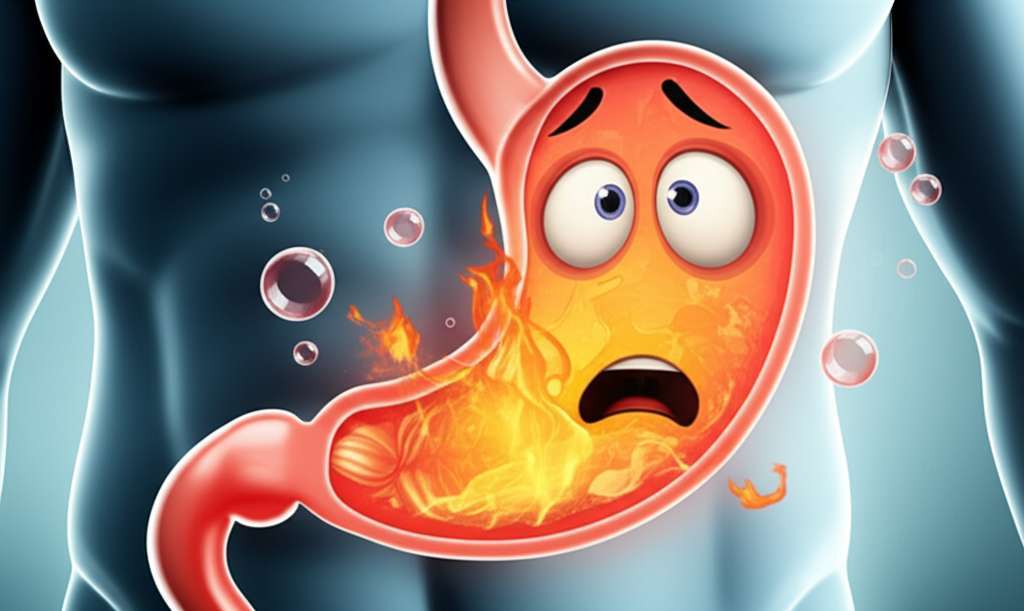
It can be confusing and even a little embarrassing. You’re doing all the right things – eating healthier, moving more – and suddenly, you’re dealing with unexpected gas. But don’t worry, this is a totally normal part of the process for many people.
Let’s break down exactly why this happens and what you can do to feel more comfortable. We’ll explore the science in a simple way and give you practical tips to manage it, so you can stay focused on your goals with confidence.
The Science Behind Fat Burning and Gas
When your body needs energy, it taps into its stored fat. This process, called ketosis (or simply fat metabolism), involves breaking down fat molecules. While this is great for weight loss, it can sometimes create byproducts that affect your digestive system.
Think of your body like a car. When you’re driving, the engine burns fuel and produces exhaust. Similarly, when your body burns fat for energy, it produces various compounds as byproducts. Some of these byproducts can interact with your gut bacteria, leading to increased gas production.
This isn’t about “bad” foods or a sign that something is wrong with your diet. It’s a natural metabolic process at play. Understanding this connection is the first step to managing it effectively.
How Your Body Uses Fat for Energy
When you reduce your calorie intake or increase your physical activity, your body realizes it needs more energy than it’s getting from your recent meals. So, it starts to look for stored energy – and that’s primarily fat!
This stored fat is mostly in the form of triglycerides. Your body breaks these down into glycerol and fatty acids. These fatty acids then travel to your cells, where they are further processed to create ATP, the energy currency of your body.
This process is efficient and exactly what you want for weight loss. However, the way these fatty acids are broken down can sometimes influence your digestive environment.
The Role of Gut Bacteria
Your gut is home to trillions of bacteria, collectively known as your gut microbiome. These tiny organisms play a huge role in digestion, nutrient absorption, and even your immune system. They love to feast on certain types of food, especially carbohydrates and fiber.
When your body starts burning more fat, it can change the environment in your gut. Some of these changes can make your gut bacteria more active, and when bacteria ferment undigested food particles (or byproducts of fat metabolism), they release gases like hydrogen, methane, and carbon dioxide.
It’s like giving your gut bacteria a new menu to work with. Depending on what’s available and how your body is processing energy, they might produce more gas as a result.
What’s Actually Happening in Your Gut?
When you’re in a calorie deficit and your body is actively breaking down fat, several things can happen in your digestive system:
- Changes in Digestive Speed: Sometimes, the digestive process can slow down slightly as your body conserves energy. Food might sit in your gut longer, giving bacteria more time to ferment it and produce gas.
- Increased Bile Production: To help digest fats, your liver releases bile. When you’re breaking down more fat, you might have increased bile flow, which can sometimes irritate the gut and lead to gas or bloating.
- Dietary Shifts: Often, when people start trying to lose weight, they also change their diet. This could mean eating more fiber (which is great but can cause gas initially), or trying new foods that your gut isn’t used to.
It’s a combination of your body’s energy shift and how your gut bacteria respond to these changes and any new foods you might be introducing.
Common Culprits: What Else Could Be Causing Gas?
While burning fat is a potential factor, it’s essential to remember that gas is a very common digestive symptom. Many other things can contribute, and it’s often a mix of factors. Let’s look at some of the most frequent causes:
Dietary Factors
What you eat plays a massive role in gas production. Some foods are naturally more likely to cause gas than others because they contain compounds that are difficult for our bodies to break down fully.
- High-Fiber Foods: While essential for health, foods like beans, lentils, broccoli, Brussels sprouts, and whole grains are fermented by gut bacteria, producing gas.
- Certain Sugars and Starches: Lactose (in dairy), fructose (in fruits and sweeteners), and certain starches (in potatoes, corn, and pasta) can be hard to digest for some people.
- Artificial Sweeteners: Sugar alcohols like sorbitol and xylitol, often found in sugar-free products, can have a laxative effect and cause gas.
- Carbonated Drinks: The bubbles in soda, sparkling water, and beer release gas directly into your digestive system.
If you’ve recently increased your fiber intake or introduced new vegetables as part of your weight loss plan, this could be a significant contributor.
Eating Habits
How you eat can be just as important as what you eat. These habits can lead to swallowing more air, which can cause bloating and gas.
- Eating Too Quickly: When you rush your meals, you tend to gulp down more air.
- Chewing Gum or Sucking on Hard Candy: These activities also increase the amount of air you swallow.
- Drinking Through a Straw: Similar to gum, using a straw can introduce extra air into your digestive tract.
- Talking While Eating: This can cause you to swallow air unintentionally.
These are simple habits to address, and making small changes can have a big impact on your comfort.
Underlying Digestive Issues
For some individuals, persistent gas might be a sign of a more significant digestive issue. While not always the case, it’s worth being aware of.
- Irritable Bowel Syndrome (IBS): This is a common disorder that affects the large intestine, causing symptoms like cramping, abdominal pain, bloating, gas, diarrhea, and constipation.
- Food Intolerances: Conditions like lactose intolerance (difficulty digesting milk sugar) or gluten sensitivity can lead to gas and digestive upset.
- Small Intestinal Bacterial Overgrowth (SIBO): This occurs when there’s an excessive amount of bacteria in the small intestine, leading to fermentation and gas.
If your gas is severe, persistent, or accompanied by other concerning symptoms like unexplained weight loss, significant pain, or changes in bowel habits, it’s always a good idea to consult a healthcare professional. They can help rule out any underlying conditions.
How to Manage Gas When Burning Fat
The good news is that you don’t have to suffer through excessive gas while working towards your weight loss goals. Here are some practical, beginner-friendly strategies to help manage it:
1. Adjust Your Diet Gradually
If you’re increasing fiber or trying new foods, do it slowly. This gives your gut time to adjust.
- Introduce Fiber Slowly: If you’re adding more vegetables, whole grains, or legumes, start with small portions and gradually increase over a few weeks.
- Identify Trigger Foods: Keep a food diary to track what you eat and when you experience gas. This helps pinpoint specific foods that might be causing issues.
- Cook Gas-Producing Vegetables: Cooking foods like broccoli, cabbage, and beans can make them easier to digest.
Think of it as a gentle introduction for your digestive system, rather than a sudden shock.
2. Improve Your Eating Habits
Simple changes in how you eat can make a big difference.
- Eat Slowly and Mindfully: Take your time with meals, chew your food thoroughly, and savor each bite.
- Avoid Chewing Gum and Hard Candy: Try to break these habits if you notice they contribute to your gas.
- Limit Carbonated Drinks: Opt for plain water, herbal teas, or other non-carbonated beverages.
- Don’t Talk with Your Mouth Full: This is a common cause of swallowing air.
These small tweaks can significantly reduce the amount of air you swallow, leading to less gas.
3. Stay Hydrated
Drinking plenty of water is crucial for overall health and digestion. It helps move food through your digestive tract smoothly, which can prevent gas buildup.
- Aim for 8 Glasses a Day: This is a general guideline; your needs might vary.
- Drink Water Between Meals: Sipping water throughout the day is better than gulping large amounts during meals, which can dilute digestive juices.
Water is your digestive system’s best friend!
4. Consider Probiotics
Probiotics are beneficial bacteria that can help balance your gut microbiome. They might help reduce gas and bloating by improving digestion and reducing inflammation.
- Yogurt with Live Cultures: Look for yogurts that specifically state “live and active cultures.”
- Fermented Foods: Kefir, sauerkraut, kimchi, and tempeh are good sources.
- Probiotic Supplements: If you prefer, you can also find probiotic supplements. Consult with a healthcare provider before starting any new supplement.
A balanced gut can lead to a more comfortable digestive experience.
5. Gentle Physical Activity
While you’re burning fat through exercise, regular, gentle movement can also help relieve gas.
- Walking: A brisk walk after meals can stimulate digestion and help move gas through your system.
- Yoga and Stretching: Certain yoga poses are known for their ability to relieve gas and bloating.
Movement is medicine for your gut!
When to Seek Professional Advice
While occasional gas is normal, there are times when it’s wise to talk to a doctor or a registered dietitian. Don’t hesitate to reach out if you experience any of the following:
- Severe or Persistent Pain: If gas is causing significant discomfort or is constant.
- Sudden Changes in Bowel Habits: Such as persistent diarrhea, constipation, or blood in your stool.
- Unexplained Weight Loss: If you’re losing weight without trying, and it’s accompanied by digestive issues.
- Bloating That Doesn’t Go Away: Especially if it’s severe and impacts your daily life.
- Other Concerning Symptoms: Like fever, nausea, vomiting, or fatigue.
A healthcare professional can help diagnose any underlying issues and provide personalized advice. For instance, a dietitian can help you create a balanced meal plan that supports weight loss while minimizing digestive discomfort. You can learn more about digestive health from resources like the National Institute of Diabetes and Digestive and Kidney Diseases (NIDDK).
Frequently Asked Questions (FAQ)
Q1: Is increased gas a definite sign that I am burning fat?
Not necessarily. While burning fat can contribute to gas, it’s often a combination of factors, including dietary changes and eating habits. It’s a possible indicator, but not the only one.
Q2: How long does this “fat-burning gas” typically last?
For most people, this is a temporary phase. As your body adjusts to using fat for energy and your gut microbiome adapts, the increased gas usually subsides within a few weeks. If it persists, other factors might be at play.
Q3: Can I prevent gas altogether while losing weight?
It’s difficult to prevent gas entirely, as it’s a natural byproduct of digestion. However, by implementing the strategies mentioned above – such as eating slowly, choosing foods wisely, and staying hydrated – you can significantly reduce and manage it.
Q4: Should I stop eating certain healthy foods if they cause gas?
Not necessarily! Many gas-producing foods are incredibly healthy (like beans and broccoli). Instead of eliminating them, try introducing them slowly, cooking them thoroughly, or pairing them with other foods that aid digestion. If a food consistently causes severe discomfort, discuss it with a dietitian.
Q5: Are there any over-the-counter remedies for gas?
Yes, there are. Products containing simethicone (like Gas-X) can help break down gas bubbles. Activated charcoal can also absorb gas. Digestive enzyme supplements might help if you have trouble digesting specific foods. Always follow product instructions and consult a pharmacist or doctor if unsure.
Q6: Will I always experience gas when I lose weight?
No, not everyone experiences significant gas when losing weight. It depends on your individual body, your metabolism, your gut health, and the specific dietary and lifestyle changes you make. Many people experience little to no noticeable increase in gas.
Q7: Is it okay to exercise if I have gas and bloating?
Generally, yes. Gentle to moderate exercise, like walking or yoga, can actually help relieve gas and bloating by stimulating your digestive system. However, if you experience severe pain, it’s best to rest and consult a doctor.
Conclusion
Embarking on a weight loss journey is a fantastic step towards a healthier you! It’s completely normal to encounter new experiences, and sometimes that includes a little extra gas. The “shocking truth” is that this is often just your body’s way of signaling that it’s actively using fat for energy, a process that can sometimes influence your digestive system.
By understanding the science behind fat metabolism and the role of your gut, you can feel more in control. Remember to introduce dietary changes gradually, be mindful of your eating habits, stay hydrated, and consider the benefits of probiotics and gentle movement. These practical steps can help you manage gas and bloating, ensuring your weight loss journey is as comfortable and confident as possible.
If you experience persistent or severe symptoms, always consult with a healthcare professional. They can provide personalized guidance to keep you on track. Keep celebrating your progress, and know that you’re doing great!
As an Amazon Associate, We earn from qualifying purchases. When you purchase a product through Amazon links on pulsefitguide.com, we may earn a small commission at no extra cost to you. This helps support the site and keep our content free.
