

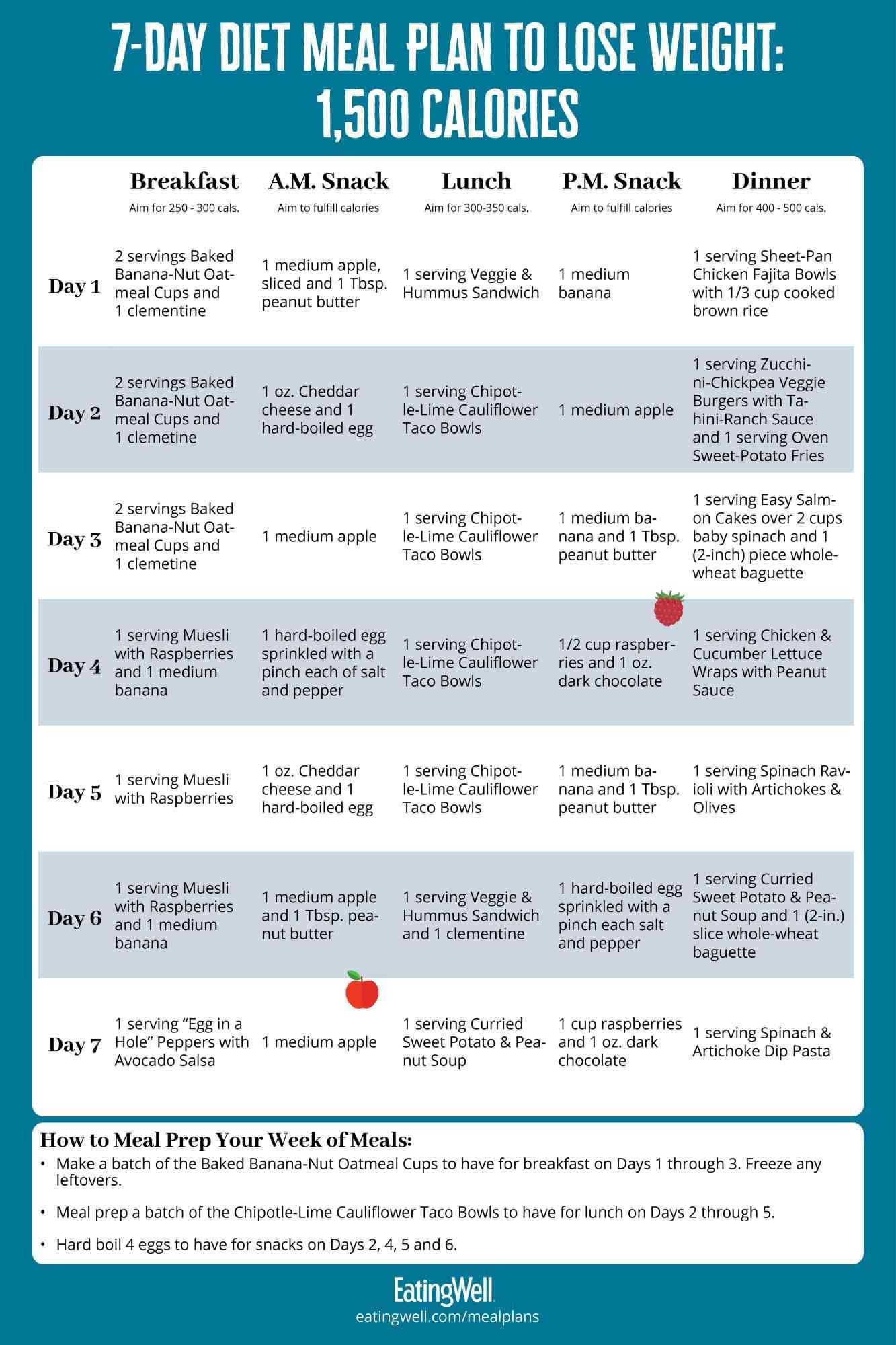
Looking to shed those extra pounds with an effective dieting meal plan? The key is to focus on balanced, nutritious foods that keep you full and energized while reducing calorie intake. A well-structured plan combines lean proteins, whole grains, healthy fats, and plenty of vegetables to boost metabolism and promote fat loss. Staying consistent and mindful of portion sizes makes all the difference in achieving sustainable weight loss.
In short, a successful dieting meal plan should be rich in nutrients, moderate in calories, and personalized to your tastes and lifestyle. By incorporating colorful vegetables, lean proteins, and wholesome carbs, you’ll enjoy your meals and stay motivated on your weight loss journey.
Starting a weight loss journey can feel overwhelming, but with the right meal plan, you can make it manageable and even enjoyable. A good dieting plan isn’t about deprivation; it’s about making smarter choices that support your goals. Planning your meals ahead of time helps you avoid unhealthy temptations and keeps you on track. Focus on foods that nourish your body and satisfy your hunger, and remember that small, consistent changes lead to big results over time. Whether you want to lose a few pounds or overhaul your lifestyle, a thoughtful dieting meal plan lays the foundation for success.

Dieting Meal Plan for Weight Loss: Your Guide to Healthy Eating
Developing a dieting meal plan for weight loss helps you stay focused and make healthier choices. It ensures you get the right nutrients without overeating. A good plan combines tasty foods with controlled portions to support your body’s needs.
Understanding the Basics of a Weight Loss Meal Plan
Every successful meal plan starts with understanding what your body needs. Your goal is to create a calorie deficit, meaning you consume fewer calories than you burn. This encourages your body to use stored fat for energy.
Balance is key. Including a mix of protein, carbohydrates, and healthy fats keeps you full and satisfied. It also supports your metabolism and overall health during your weight loss journey.
Key Components of a Dieting Meal Plan for Weight Loss
When designing your meal plan, focus on these essential elements:
- Protein: Builds muscle and keeps you feeling full longer. Sources include lean meats, eggs, dairy, beans, and tofu.
- Complex Carbohydrates: Provide sustained energy. Choose whole grains like brown rice, oats, and whole wheat bread.
- Healthy Fats: Support hormone health. Include avocados, nuts, seeds, and olive oil.
- Fruits and Vegetables: Rich in vitamins, minerals, and fiber. Aim for variety and color on your plate.
Sample Daily Meal Plan for Weight Loss
Here’s a simple example you can follow or modify based on your preferences:
| Meal | Sample Foods | Portion Size |
|---|---|---|
| Breakfast | Oatmeal with berries and a spoon of almond butter | 1 cup oats, ½ cup berries, 1 tablespoon almond butter |
| Mid-Morning Snack | Greek yogurt with sliced banana | ½ cup yogurt, 1 small banana |
| Lunch | Grilled chicken salad with mixed greens and vinaigrette | 4 ounces chicken, 2 cups greens, 1 tablespoon dressing |
| Afternoon Snack | Carrot sticks with hummus | 1 cup carrots, 2 tablespoons hummus |
| Dinner | Baked salmon, steamed broccoli, quinoa | 4 ounces salmon, 1 cup broccoli, ½ cup cooked quinoa |
Structuring Your Meal Plan for Success
Eat Regularly and Avoid Skipping Meals
Eating at regular intervals keeps your metabolism active and prevents you from feeling overly hungry. Skipping meals often leads to overeating later.
Portion Control Is Essential
Use smaller plates and bowls to help manage your portion sizes. Pay attention to serving sizes on food labels to avoid accidental overeating.
Stay Hydrated
Drink plenty of water throughout the day. Sometimes, our bodies mistake thirst for hunger, leading to unnecessary snacking.
Healthy Snack Ideas for Weight Loss
Snacks can help keep hunger at bay between meals. Choose nutritious options like these:
- Fresh fruit such as apples, berries, or oranges
- Raw veggies with hummus or Greek yogurt dip
- A handful of unsalted nuts or seeds
- Low-fat cheese with whole grain crackers
Meal Prep Tips for Staying on Track
Preparing meals ahead of time saves time and reduces the temptation to reach for less healthy options. Batch cook items like grilled chicken, roasted vegetables, and whole grains.
Portion out meals into containers so you always have healthy choices ready. This makes sticking to your dieting meal plan easier, especially during busy days.
Managing Cravings and Emotional Eating
Sometimes, cravings can derail your plan. When this happens, try distracting yourself with a walk or a hobby. Drinking water or herbal tea can also curb cravings.
Recognize emotional eating triggers and develop alternative coping strategies, such as journaling or talking to a friend. Remember, occasional indulgence is okay; balance is key.
Incorporating Cheats and Flexibility
A flexible diet allows for occasional treats without guilt. Plan for small indulgences so you don’t feel deprived. This helps you stick to your overall plan long-term.
Enjoy your preferred foods in moderation while maintaining your calorie goals. This approach promotes a sustainable lifestyle rather than restrictive dieting.
The Role of Exercise Alongside Your Meal Plan
Combining a healthy eating plan with regular physical activity accelerates weight loss. Even light activities like walking or stretching count.
Include strength training to build muscle, which boosts your resting metabolism. Remember, consistency beats intensity in the long run.
Tracking Your Progress
Keep a food journal or use apps to monitor your eating habits and calorie intake. Regular weigh-ins can help you stay accountable and adjust your plan as needed.
Celebrate small victories to stay motivated. Healthy weight loss is gradual and sustainable, so patience is important.
Understanding Dietary Restrictions and Special Needs
If you have allergies, medical conditions, or specific dietary preferences, adapt your meal plan accordingly. Consult a healthcare provider or registered dietitian for personalized guidance.
For vegetarians or vegans, focus on plant-based protein sources like lentils, beans, tofu, and quinoa. The principles of portion control and balance still apply.
Additional Tips for Maintaining the Diet
- Eat slowly and mindfully to enjoy your food and recognize fullness cues
- Limit sugary beverages and alcohol, which add empty calories
- Use herbs and spices to make meals flavorful without extra calories
- Get enough sleep, as poor sleep can increase hunger hormones and cravings
Common Mistakes to Avoid
Avoid skipping entire food groups or drastically reducing calories, which can harm your health and slow your metabolism. Do not rely solely on fad diets or supplements.
Stick to balanced, nutrient-rich foods and stay consistent. Remember, sustainable changes lead to lasting results.
Final Thoughts on Your Dieting Meal Plan for Weight Loss
Creating a personalized meal plan takes time, but it is worth the effort. Focus on whole, natural foods and stay mindful of portions. Incorporate variety and flexibility to enjoy your journey.
Monitoring your progress and making adjustments keeps you on track toward your goals. Patience and perseverance are your best tools for successful weight loss.
Frequently Asked Questions
How can I ensure my meal plan is nutritionally balanced while losing weight?
To keep your meal plan nutritionally balanced, include a variety of food groups such as lean proteins, whole grains, fruits, vegetables, and healthy fats. Incorporate adequate portions of each to meet your daily vitamin and mineral needs. Avoid overly restrictive diets that eliminate entire food groups, as this can lead to nutritional deficiencies. Planning meals ahead of time and consulting with a registered dietitian can help you create a plan that supports weight loss without sacrificing essential nutrients.
What are some convenient meal options for busy days that still promote weight loss?
Opt for simple, nutritious options that require minimal preparation, such as salads with lean protein, pre-portioned yogurt with nuts and fruits, or whole-grain wraps filled with vegetables and chicken. Preparing meals in advance and using healthy, ready-to-eat ingredients helps reduce time spent in the kitchen. Additionally, carrying portable snacks like nuts, fruit, or hummus with vegetables ensures you stay on track without resorting to unhealthy fast food options.
How important is portion control in a dieting meal plan for weight loss?
Portion control plays a crucial role in managing calorie intake, which directly impacts weight loss. Even healthy foods can contribute to weight gain if consumed in large quantities. Using smaller plates, measuring servings, and being mindful during meals help regulate portions naturally. Combining proper portion sizes with balanced meals ensures you get enough nutrients while maintaining a calorie deficit necessary for weight loss.
Can I include my favorite foods in my meal plan without hindering my progress?
Yes, including your favorite foods in moderation can support your dieting efforts. Allowing occasional treats helps prevent feelings of deprivation that can lead to binges. Plan indulgences carefully, and balance them with healthier options throughout the day or week. This approach promotes sustainable eating habits and keeps your motivation high while working toward your weight loss goals.
Final Thoughts
A well-structured dieting meal plan for weight loss offers balanced nutrition, controlling calorie intake while satisfying cravings. Incorporate plenty of vegetables, lean proteins, and whole grains to stay energized and full longer. Planning meals ahead helps maintain consistency and prevents impulsive eating. Focusing on a sustainable approach ensures progress and long-term success.
As an Amazon Associate, We earn from qualifying purchases. When you purchase a product through Amazon links on pulsefitguide.com, we may earn a small commission at no extra cost to you. This helps support the site and keep our content free.